How to Make a Prototype and Protect Your Unique Design
Table of Contents
Conclusion
Turning your brilliant idea into a tangible product is an exciting journey, but it requires careful planning and execution. Prototyping is the bridge between concept and reality, allowing you to test, refine, and prepare your design for production. However, creating a prototype isn’t just about functionality; protecting your intellectual property is equally vital to ensure your idea remains yours.
In this comprehensive guide, we’ll explore how to make a prototype, safeguard your unique design, and navigate the prototyping process with confidence. Whether you’re an aspiring inventor or an experienced entrepreneur, this guide will provide the tools and tips you need to succeed.
What is a Product Prototype, and Why Do You Need One?
A product prototype is a preliminary model of your idea, created to evaluate its feasibility, functionality, and design. Prototypes are essential in transforming your concept into a successful product by identifying flaws early and refining the final design.
Why Prototyping Matters:
- Test functionality before mass production.
- Gather feedback from potential users or stakeholders.
- Highlight areas for improvement in design or usability.
- Serve as a tangible representation for investors or manufacturers.
In short, a prototype can save time and money while increasing the likelihood of success.
How to Make a Product Prototype?
Making a product prototype involves several steps, each crucial for transforming your idea into a physical model. Here’s a simplified process:
- Define Your Concept: Clearly outline your idea, including its purpose, features, and target audience.
- Sketch Your Design: Create detailed sketches or digital models to visualize your concept.
- Select Materials: Choose appropriate materials that reflect the final product’s look and feel.
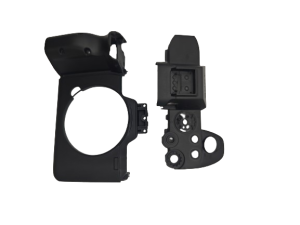
- Build the Prototype: Use tools and techniques like 3D printing, CNC machining, or handcrafting to construct your prototype.
- Test and Refine: Evaluate the prototype’s performance and make necessary improvements.
By following these steps, you can create a prototype that effectively represents your idea and meets your design goals.

What Are the Types of Prototypes You Can Create?
Not all prototypes are the same. Depending on your needs, you might choose one of the following types:
Types of Prototypes:
| Type | Purpose |
|---|---|
| Concept Prototype | Visualize the overall design and layout. |
| Functional Prototype | Test specific features or mechanics. |
| Production Prototype | Mimic the final product for manufacturing. |
Each type serves a unique role in the prototyping process, helping you move closer to your goals.
How to Create a Product Prototype: Step-by-Step Guide
Creating a product prototype involves a series of steps that ensure your idea is accurately represented:
- Research and Planning: Gather information about your target market, competitors, and potential challenges.
- Design and Sketching: Develop detailed sketches or digital models using CAD software.
- Material Selection: Choose materials that match the intended use and aesthetics of the final product.
- Prototype Construction: Use appropriate tools and techniques to build the prototype, such as 3D printing or CNC machining.
- Testing and Iteration: Evaluate the prototype’s performance, gather feedback, and make necessary adjustments.
This step-by-step guide helps streamline the prototyping process, ensuring a successful outcome.
What Materials Are Best for Prototyping?
Selecting the right materials is crucial for creating an effective prototype. Common materials include:
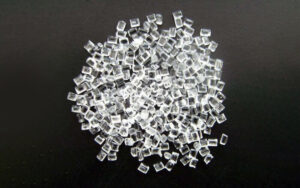
- Plastics: Lightweight and versatile, plastics are ideal for creating detailed models.
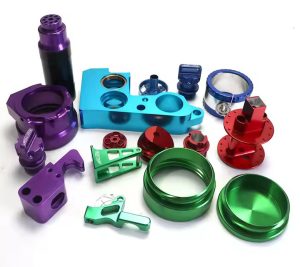
- Metals: Used for prototypes requiring strength and durability, metals like aluminum and steel are popular choices.
- Foam: Easy to shape and inexpensive, foam is often used for early-stage prototypes.
- Wood: Suitable for simple models, wood provides a natural look and feel.
The choice of materials depends on the prototype’s purpose, budget, and desired characteristics.
Tips for Making a Successful Product Prototype
To create a successful product, keep these tips in mind:
- Focus on Functionality: Prioritize key features before refining aesthetics.
- Use High-Quality Materials: Opt for durable materials to test durability.
- Seek Feedback: Involve others to identify potential improvements.
Remember, prototyping is as much about learning as it is about building.
How to Protect Your Unique Design?
Protecting your unique design is essential to prevent unauthorized use or duplication. Here are some strategies:
- Patents: Obtain a patent to secure legal protection for your invention.
- Trademarks: Register a trademark to protect your brand identity and logo.
- Non-Disclosure Agreements (NDAs): Use NDAs when sharing your prototype with potential partners or investors.
- Copyrights: Protect original works, such as design sketches and documentation, with copyrights.
Implementing these measures helps safeguard your intellectual property and maintain a competitive edge.
Common Challenges in Product Prototyping and How to Overcome Them
Common Issues:
- High Costs: Prototyping can be expensive, especially for complex designs.
- Material Selection: Choosing unsuitable materials can lead to failure.
- Time Constraints: Iterative testing can extend timelines.
Solutions:
- Start with a low-cost concept prototype before scaling up.
- Consult with experts to identify the best materials.
- Plan for multiple iterations in your timeline.
Addressing these challenges head-on ensures smoother prototyping.
How to Test and Refine Your Prototype?
Testing and refining your prototype is crucial for ensuring its success. Follow these steps:
- Conduct User Testing: Gather feedback from potential users to identify areas for improvement.
- Evaluate Performance: Test the prototype’s functionality, durability, and usability.
- Make Adjustments: Implement changes based on feedback and testing results.
- Repeat the Process: Continue testing and refining until the prototype meets your design goals.
This iterative process helps create a prototype that is both functional and user-friendly.
How Can Professionals Help You Create Prototypes?
Collaborating with professionals can simplify the prototyping process.
Benefits of Professional Help:
- Expertise: Access to skilled designers and engineers.
- Advanced Tools: Use of cutting-edge technology like 3D printing.
- Time Efficiency: Accelerate the design and testing phases.
Working with experts can help bring your idea to life with precision and efficiency
FAQs
How do I start creating a prototype for my idea?
Start with sketches, refine them into CAD designs, and build a basic prototype using accessible tools like cnc machining, injection molding, sheet metal fabrication and 3D printing.
What materials are best for building prototypes?
It depends on your product. Plastics are common for concept prototypes, while metals work well for functional testing.
Do I need a patent before creating a prototype?
Use legal protections like patents, trademarks, and copyrights, and consider non-disclosure agreements when sharing your prototype.
What’s the most important part of the prototyping process?
Testing and iterating are critical to refine your design and ensure functionality.
How can I ensure my prototype is user-friendly?
Conduct user testing, gather feedback, and make iterative improvements to enhance the user experience.
Comments
Latest Posts
Related Blogs
Senyo’s blog is focused on sharing our extensive knowledge of prototype manufacturing. Through our articles, we aim to support you in refining your product design and navigating the complexities of rapid prototyping more effectively.