Injection Moulding Medical Device : A Complete Guide
Table of Contents
Medical devices frequently depend on plastic parts that must be accurate, repeatable, tidy, long lasting, and secure for their meant usage. A molded real estate, fluid-management component, surgical instrument manage, diagnostic cartridge, or wearable-device room might look simple. The production requirements behind it are usually much more requiring.
That is why injection moulding medical items requires a coordinated method to material selection, component design, mold design, procedure control, examination, recognition, and regulatory paperwork.
This overview explains just how clinical gadget shot molding functions, when it is proper, how to choose materials and tooling, and what product teams need to attend to prior to relocating from prototype to mass production.
What Is Injection Moulding For Medical Devices?
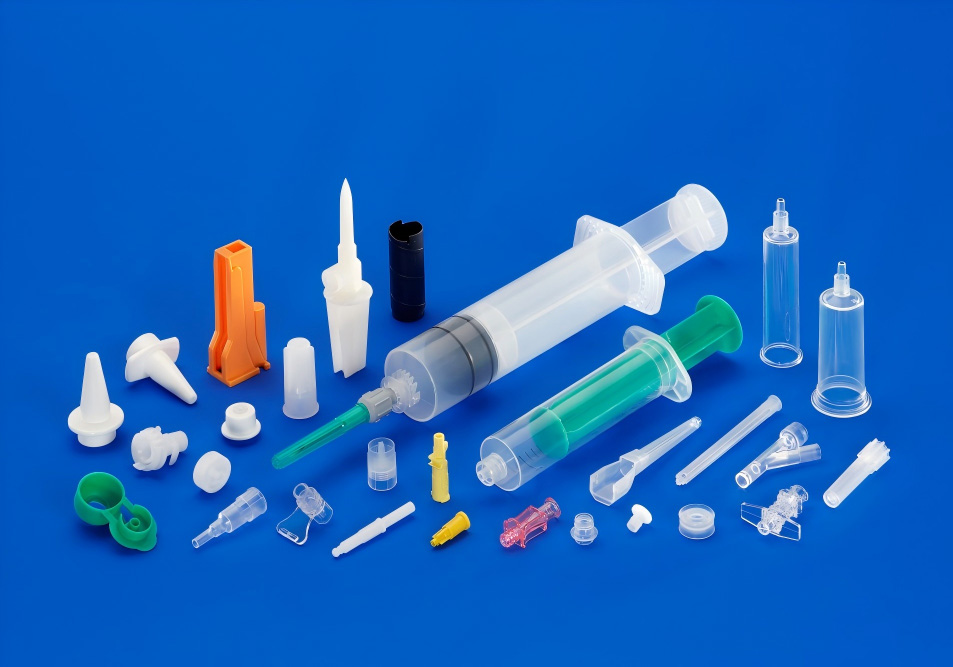
Injection moulding medical is the procedure of producing polymer elements by infusing molten plastic right into a precision mold. After the product cools and solidifies, the mold opens up and the completed component is ejected.
The standard procedure is similar to injection molding utilized in customer and commercial products. The difference is the degree of control required.
A clinical molding program might require to address:
- Tight and repeatable dimensional resistances
- Controlled raw-material specifications
- Whole lot traceability
- Part cleanliness and contamination prevention
- Validation of molding criteria
- Sanitation compatibility
- Chemical resistance
- Biocompatibility assessment
- Packaging and shelf-life needs
- Examination and approval standards
- Documented change control
Not every medical plastic component calls for the exact same production setting. A non-patient-contacting devices cover might have different demands from a disposable fluid course, implantable part, or medical instrument. The right process relies on the device’s intended use and threat account.
Common Medical Instruments Made with Injection Molding
Injection molding medical components show up across almost every segment of healthcare manufacturing.
Diagnostic and Research Laboratory Elements
Instances include:
- Test cartridges
- Test owners
- Pipette elements
- Microfluidic housings
- Laboratory consumables
- Reagent containers
- Centrifuge components
- Analysis instrument covers
These items usually need dimensional uniformity due to the fact that small variants can affect fluid flow, securing, optical positioning, or interaction with automatic devices.
Drug-Delivery Tools
Shot molding is regularly made use of for elements in:
- Auto-injectors
- Inhalers
- Syringe accessories
- Medicine dispensers
- Pen-injector housings
- Liquid connectors
- Application devices
Drug-delivery parts might combine shaped plastic get rid of springs, elastomers, glass, electronics, or metal elements. Built components have to be designed for trusted setting up and consistent actuation.
Surgical and Procedure-Related Products
Instances include:
- Surgical instrument takes care of
- Non reusable forceps components
- Instrument housings
- Endoscopic devices
- Wound-care elements
- Sterile trays
- Procedure sets
- Tubing ports
Comfort designs, hold texture, sterilization, chemical resistance, and aesthetic assessment can all influence the layout.
Wearable and Tracking Tools
Wearable medical items might use shot built components for:
- Sensor real estates
- Battery covers
- Wrist-worn gadget enclosures
- Skin-contacting shells
- Cable television strain reliefs
- Snap-fit assemblies
- Protective covers
These parts may require to endure sweat, skin oils, cleaning agents, effect, duplicated flexing, and direct exposure to moisture.
Medical Tools Housings
Larger equipment might consist of:
- Diagnostic tool covers
- Control-panel bezels
- Mobile screen real estates
- Tools manages
- Pump enclosures
- Protective guards
- Internal braces
For these applications, look and structural performance may matter greater than direct patient call. Nevertheless, cleanability, fire performance, chemical resistance, and assembly accuracy might still be essential.
Why Material Selection Matters
The product picked for a medical component impacts almost every downstream choice, consisting of mold layout, refining temperature, sterilization approach, evaluation requirements, and regulative paperwork.
Common product families include:
| Product | Common Benefits | Potential Considerations | Typical Applications |
|---|---|---|---|
| Polypropylene (PP) | Chemical resistance, low thickness, expense performance | Contraction, lower tightness than engineering plastics | Containers, laboratory components, disposable parts |
| Polycarbonate (COMPUTER) | High influence strength, transparency, dimensional performance | Tension splitting, chemical level of sensitivity, sanitation limitations for some qualities | Real estates, clear covers, analysis parts |
| ABDOMINAL | Excellent look, impact performance, very easy handling | Might not match all sanitation or patient-contact applications | Tools real estates, takes care of, non-patient-contact components |
| POM/ Acetal | Reduced rubbing, use resistance, dimensional security | Chemical and sanitation compatibility should be examined | Mechanisms, gears, valve elements |
| PEEK | High temperature efficiency, chemical resistance, toughness | High material and handling cost | Specialized clinical and medical parts |
| PEI | High warmth resistance and toughness | Higher cost and requiring handling problems | Sterilizable instrument parts |
| TPE/ TPU | Flexibility, securing, soft-touch performance | Bonding, tear strength, and process control factors to consider | Gaskets, holds, seals, wearable components |
| Medical-grade silicone | Adaptability, temperature level resistance, recognized medical uses | Usually processed differently from polycarbonate injection molding | Seals, valves, tubing, soft components |
The label “clinical grade” is not nearly enough by itself. The material has to be reviewed for the particular application.
Important concerns include:
- Will the component contact skin, tissue, blood, or medication?
- Is the contact temporary, prolonged, or permanent?
- Will the component be sanitized?
- Which sanitation approach will be used?
- Will it contact to alcohols, anti-bacterials, solvents, oils, or pharmaceutical solutions?
- Must it remain transparent?
- Is electric insulation needed?
- Does the material need flame-retardant performance?
- Will the part be subjected to repeated mechanical loading?
- Is the product sustained by appropriate supplier documentation?
For patient-contacting items, biocompatibility analysis need to be addressed via the gadget’s risk-management and governing procedure. The FDA guidance on ISO 10993-1 clarifies how organic analysis needs to be considered in regard to the device’s nature and period of call.
Designing a Medical Plastic Part for Injection Molding
A trustworthy molded component begins with a design that matches the product, mold, process, and use environment.
Preserve Regular Wall Thickness
Huge wall-thickness adjustments can create:
- Sink marks
- Voids
- Uneven air cooling
- Warpage
- Recurring stress
- Irregular mechanical efficiency
Uniform walls are not constantly possible, particularly in structural housings or get rid of incorporated attributes. Where thickness transitions are needed, utilize gradual adjustments, ribs, coring, and suitable radii.
Usage Draft Angles
Draft enables the shaped part to release from the mold without excessive friction or damages.
Not enough draft can result in:
- Messing up
- Drag marks
- Ejection damages
- Mold wear
- Sticking
- Longer cycle times
The needed draft depends on the material, surface area coating, deepness, appearance, and direction of ejection. Distinctive surface areas generally require even more draft than polished surfaces.
Add Ribs Carefully
Ribs can enhance rigidity without making the entire part thicker. However, ribs that are as well thick may produce sink marks on the visible surface area.
As a basic design principle, ribs must be considerably thinner than the nearby nominal wall surface, with the exact proportion validated via product and mold-flow evaluation.
Usage Appropriate Radii
Sharp inner edges focus stress and anxiety and are difficult to fill regularly. Radiused corners boost:
- Melt flow
- Part strength
- Mold manufacturability
- Tool life
- Stress distribution
- The radius should be compatible with the wall thickness and functional requirements of the component.
Plan Snap-Fits and Living Hinges Early
Snap-fits, adaptable arms, and living joints can lower assembly cost, however their efficiency relies on material actions, pressure, positioning, and repeated-use needs.
Do not presume that a snap-fit created for a consumer item will execute dependably after sterilization or direct exposure to cleaning chemicals. The setting up ought to be tested in its last ecological problems.
Control Weld Lines and Air Traps
Weld lines take place where separate thaw fronts fulfill. They might be acceptable in low-stress areas, yet they can end up being weak points or visible cosmetic defects.
Mold developers can manage weld lines through:
- Gate-location changes
- Circulation evaluation
- Venting
- Overflow wells
- Temperature control
- Part geometry adjustments
- Injection-profile optimization
Air traps require sufficient venting. Poor airing vent can cause burns, brief shots, dimensional instability, or contamination-related problems.
Medical Injection Mold Design
The mold is one of the most important assets in the program. It affects quality, production capacity, maintenance cost, and the ability to control the process over time.
Single-Cavity Versus Multi-Cavity Molds
A single-cavity mold produces one part per molding cycle. It may be suitable for:
- Early production
- Lower annual volumes
- Large or complex components
- Products still undergoing design changes
- Initial market launches
A multi-cavity mold produces several parts per cycle. It may be preferred when:
- Demand is high
- Unit cost must be reduced
- The design is stable
- Cycle time is a major capacity constraint
- Consistent parts are needed for automated assembly
However, more cavities increase the need for balanced filling, consistent cooling, precise mold construction, and cavity-level inspection.
For established designs and higher-volume programs, multi-cavity medical molds can improve output and reduce the molded cost per part. The economics should be evaluated against tooling cost, forecast confidence, maintenance requirements, and expected product life.
Cold Runner Versus Hot Runner Systems
Cold-runner molds leave a runner that may need to be trimmed or discarded. Hot-runner systems can reduce runner waste and support higher-volume production, but they add complexity and cost.
The best choice depends on:
- Material behavior
- Part size
- Number of cavities
- Gate requirements
- Cosmetic expectations
- Automation strategy
- Maintenance capability
- Expected production volume
Mold Steel and Tool Life
Tool materials should be selected according to:
- Expected shot count
- Resin abrasiveness
- Corrosion risk
- Surface-finish requirements
- Dimensional tolerance
- Production environment
- Maintenance plan
Glass-filled or mineral-filled plastics can increase tool wear. Corrosive materials, additives, and humid environments may require corrosion-resistant mold materials or protective treatments.
Gates, Ejectors, and Parting Lines
Gate placement can influence:
- Weld-line location
- Fiber orientation
- Cosmetic appearance
- Filling pressure
- Pack and shrink behavior
- Residual stress
Ejector pins should be placed where they can remove the part without distorting critical surfaces. The parting line should be positioned to minimize flash on functional or sealing areas.
For teams preparing production tooling, medical device tooling can be evaluated alongside material selection, tolerance requirements, annual volume, and validation needs.
Clean Production and Contamination Control
Clean manufacturing does not automatically mean that every component must be molded in a certified cleanroom. The required controls depend on the device, manufacturing step, intended use, packaging, sterilization process, and regulatory strategy.
Potential controls include:
- Controlled personnel access
- Material identification and segregation
- Cleaning procedures
- Mold and machine maintenance
- Foreign-material prevention
- Environmental monitoring where required
- Controlled packaging
- Part handling procedures
- Defined storage conditions
- Traceability of production lots
A cleanroom may be appropriate when the product is sensitive to particulate contamination or when the molding process is part of a controlled sterile or aseptic manufacturing strategy. In other cases, controlled handling and validated cleaning may be more appropriate than cleanroom production alone.
A cleanroom also does not correct poor mold design, inadequate venting, uncontrolled material drying, or weak process discipline. Environmental controls and process controls must work together.
Sterilization Considerations
The sterilization method should be considered early, preferably before the material and part design are finalized.
Common methods include:
- Ethylene oxide, or EtO
- Gamma irradiation
- Electron-beam irradiation
- Steam or moist heat
- Vaporized hydrogen peroxide
- Other application-specific methods
Each method may affect polymers differently.
Potential effects include:
- Discoloration
- Embrittlement
- Loss of impact strength
- Dimensional change
- Stress cracking
- Material degradation
- Changes in transparency
- Odor or residual concerns
A component does not become suitable for sterilization merely because a resin supplier lists a sterilization capability. The finished part, mold design, processing history, packaging system, and sterilization cycle all influence performance.
The U.S. FDA medical-device sterilization resources provide regulatory context for sterilization processes and validation expectations.
Biocompatibility and Patient Contact
For patient-contacting components, biological safety must be evaluated in the context of the finished device.
The assessment may consider:
- Type of contact
- Duration of contact
- Body location
- Processing residues
- Colorants and additives
- Mold-release agents
- Cleaning agents
- Sterilization effects
- Extractables and leachables
- Surface treatment
- Material changes
A material data sheet alone does not replace device-level evaluation. Two components made from the same nominal polymer may have different biological profiles because of differences in additives, colorants, processing, cleaning, and sterilization.
Medical device manufacturers should define the required biological evaluation with the appropriate regulatory, quality, and clinical experts.
Quality Systems and Regulatory Documentation
Medical molding suppliers and device manufacturers need a quality system appropriate to the products and markets they serve.
The United States FDA’s Quality Management System Regulation, or QMSR, incorporates ISO 13485:2016 by reference. The FDA explains the QMSR requirements and transition information on its official Quality Management System Regulation.
A controlled medical manufacturing program may include:
- Approved supplier controls
- Document control
- Training records
- Equipment maintenance
- Calibration
- Process validation
- Inspection records
- Nonconformance management
- Corrective and preventive action
- Complaint handling
- Production traceability
- Change control
- Record retention
The exact documentation package depends on the device and the contractual arrangement. A contract manufacturer may produce parts to customer specifications, while the legal manufacturer retains responsibility for the finished device and its regulatory submissions.
Process Validation for Injection Moulding Medical
Process validation demonstrates that a process can repeatedly produce acceptable parts under defined conditions.
A typical program may include:
Installation Qualification
This confirms that equipment, utilities, tooling, and supporting systems are installed according to the approved requirements.
Operational Qualification
This evaluates whether the equipment and process operate consistently across defined operating ranges.
Performance Qualification
This confirms that the complete production process can repeatedly produce conforming parts under normal manufacturing conditions.
Important molding parameters may include:
- Barrel and mold temperatures
- Injection speed
- Injection pressure
- Hold pressure
- Hold time
- Cooling time
- Screw position
- Material-drying conditions
- Mold-clamp conditions
- Cycle time
- Environmental conditions
Validation should be connected to measurable product requirements. The objective is not simply to record machine settings. It is to demonstrate that the process controls the characteristics that matter.
Inspection and Testing
Inspection criteria should be defined before production begins.
Depending on the component, this may include:
- Critical dimensions
- Sealing surfaces
- Flash limits
- Burrs and sharp edges
- Sink marks
- Weld lines
- Short shots
- Color and transparency
- Surface finish
- Part weight
- Assembly force
- Leak performance
- Tensile or impact performance
- Chemical resistance
- Sterilization performance
Inspection equipment may include:
- Calipers and micrometers
- Optical comparators
- Coordinate measuring machines
- Vision inspection systems
- Leak-testing equipment
- Force gauges
- Surface-roughness instruments
- Specialized functional fixtures
Not every dimension needs the same inspection frequency. Critical-to-function characteristics should receive appropriate controls based on risk, capability, and historical performance.
From Prototype to Production
A common mistake is moving directly from a prototype part to expensive production tooling without confirming the design.
A staged development process reduces risk:
- Concept development: Confirm the product architecture and basic user requirements.
- Prototype production: Evaluate form, fit, ergonomics, assembly, and usability.
- Engineering verification: Test performance against defined design inputs.
- Pilot tooling: Produce representative parts and identify process risks.
- Design validation: Confirm that the device meets user needs in the intended-use environment.
- Production tooling: Release stable geometry for repeatable manufacturing.
- Process validation: Establish controlled and documented production conditions.
- Production monitoring: Track quality, yield, complaints, changes, and supplier performance.
For early-stage parts, vacuum casting for medical prototypes can provide small batches with useful visual and functional characteristics before production tooling is justified.
For tight-tolerance mechanical parts, fixtures, inserts, or early engineering samples, CNC machining for medical devices may be a better choice than molding. CNC machining is particularly useful when the geometry is still changing or when only a small number of parts is required.
Once the design is stable and a production process is needed, rapid injection molding for medical devices can help teams obtain molded parts without waiting for a full high-volume tooling program.
FAQs
What does “injection moulding medical” mean as a summary?
The phrase refers to injection molding processes used to manufacture components for medical devices, laboratory products, diagnostic systems, drug-delivery products, surgical instruments, and healthcare equipment.
Is medical injection molding always performed in a cleanroom?
No. The required manufacturing environment depends on the component, device risk, intended use, sterilization strategy, packaging, and contamination-control requirements. Some products require cleanroom production; others require controlled handling and validated cleaning procedures.
How much does injection moulding medical devices cost?
The cost depends on part size, geometry, resin, tolerances, mold material, cavity count, validation requirements, inspection needs, and production volume. Tooling usually represents the largest upfront investment, while the per-part cost decreases as volume increases. Prototype molding, CNC machining, or vacuum casting may be more economical during early development before committing to production tooling.
How long does injection molding medical devlices take?
The timeline varies by part complexity, material availability, mold design, tooling method, validation requirements, and production quantity. Simple prototype or bridge tooling may move from design to first samples relatively quickly, while validated production tooling can require additional time for mold trials, dimensional inspection, process qualification, and corrective iterations. A realistic schedule should include design review, tool fabrication, sampling, testing, validation, and final approval.
What is the best plastic for medical devices?
There is no single “best” plastic for every medical device. The right choice depends on the device’s intended use, patient contact, sterilization method, chemical exposure, mechanical requirements, and regulatory strategy.
Comments
Latest Posts
Related Blogs
Senyo’s blog is focused on sharing our extensive knowledge of prototype manufacturing. Through our articles, we aim to support you in refining your product design and navigating the complexities of rapid prototyping more effectively.