Innovation with CNC Rapid Prototyping: How It Works
Table of Contents
Introduction to CNC Rapid Prototyping
CNC rapid prototyping is a prototype produced through computer numerical control technology, mainly used for fast sample loading and size verification. CNC technology uses computer-controlled machine tools to cut raw materials into semi-finished or finished parts using cutting tools.
CNC rapid prototyping is a process that uses computer numerical control technology for rapid prototyping or small batch production, suitable for product prototype development and testing in various industries.
During the product development and testing phase, CNC rapid prototyping can efficiently and accurately manufacture parts or product prototypes.
The CNC Rapid Prototyping Process
Design Phase
In the design phase, the initial concept of the product is to use computer-aided design (CAD) software. This critical step involves defining the size, shape, and functional requirements of the product. Designers create detailed 2D or 3D models that not only visualize the final product, but also integrate specifications such as tolerances, material properties, and assembly instructions. At this stage, collaboration with engineers and clients ensured that all functional requirements were considered, providing a comprehensive blueprint for the subsequent development phase.
Manufacturing Stage
Once the design is completed, the manufacturing phase begins. At this stage, the prototype is formed based on detailed design drawings. Perform CNC rapid prototyping and implement strict quality control measures throughout the entire stage to ensure that the prototype meets the specified design requirements and standards.
Testing Phase
After the manufacturing phase, the testing phase begins. This involves a comprehensive inspection and testing of the manufactured cnc rapid prototyping to verify its performance and functionality meet established standards. Conduct various tests such as stress testing, availability assessment, and performance evaluation to identify any potential weaknesses or issues. Feedback at this stage is crucial as it provides insights into the reliability and effectiveness of the prototype, ensuring it meets the expectations of end-users and stakeholders.
Revision and Improvement
The final stage of the prototype production process is dedicated to revision and improvement. Based on the results of the testing phase, necessary modifications were made to the cnc rapid prototyping to improve its quality and performance. This iterative process may involve redesigning certain elements, selecting alternative materials, or improving manufacturing techniques. The continuous feedback loop between design, testing, and revision is crucial for achieving optimized products. In the end, this stage ensures that the final prototype not only meets but also exceeds the initial expectations, paving the way for successful production and market launch.
CNC Rapid Prototyping Technologies
Overview of CNC Machinery and Tools
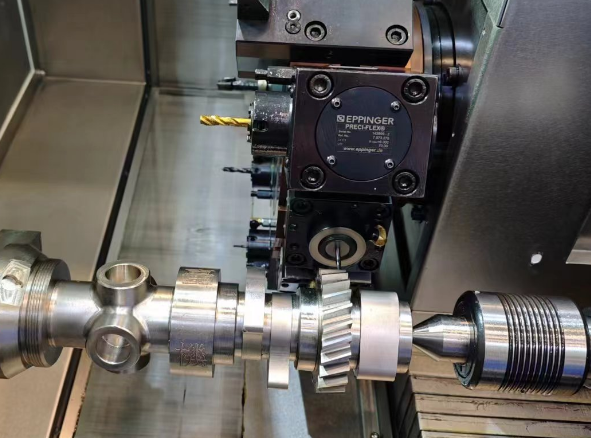
CNC machine is an automated machine tool equipped with a program control system. This control system is capable of logically processing programs with control codes or other symbolic instructions, decoding them, representing them in coded numbers, and inputting them into numerical control devices through information carriers. After calculation and processing, the CNC device sends out various control signals to control the action of the machine tool, automatically processing the parts according to the required shape and size on the drawing.
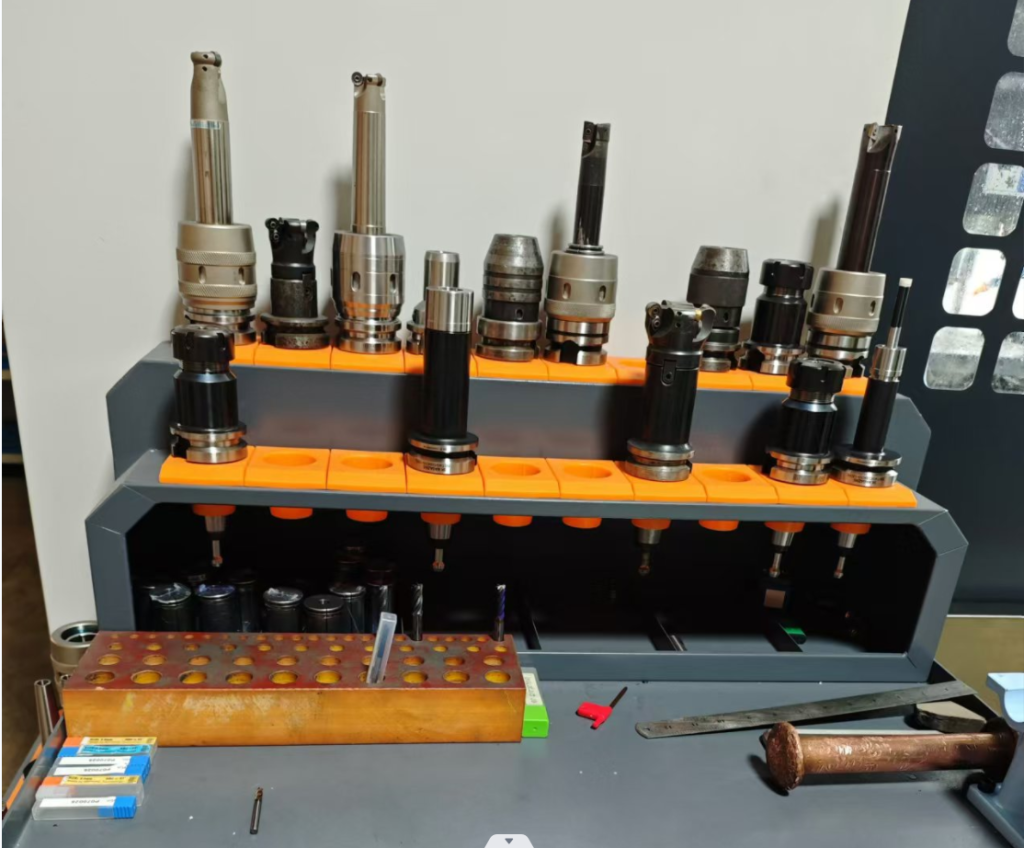
The selection of cnc machine cutting tools is one of the important contents in CNC machining technology, which not only affects the machining efficiency of the machine tool, but also directly affects the machining quality of the parts.
Types of CNC Machines Used
CNC (Computer Numerical Control) machinery and tools play a pivotal role in modern manufacturing, enabling precision, efficiency, and automation in various processes. Here’s an overview of the CNC rapid prototyping and production.
1. CNC Milling Machines
CNC milling machines are versatile tools that use rotary cutters to remove material from a workpiece. They can create complex shapes and intricate designs by moving the cutter in multiple axes (typically three to five).
2. CNC Lathes
CNC lathes are specialized machines that rotate a workpiece against a stationary cutting tool. They are particularly effective for creating cylindrical parts.
3. CNC Plasma Cutters
These machines use a plasma torch to cut through electrically conductive materials. CNC plasma cutters are widely used in metalworking for their speed and efficiency.
4. CNC Laser Cutters
CNC laser cutting machines utilize focused laser beams to cut or engrave materials. They are known for their precision and ability to create intricate designs.
5. CNC Routers
CNC routers are primarily used for cutting and shaping softer materials like wood, plastics, and composites. They operate similarly to milling machines but are optimized for larger workpieces.
6. CNC Waterjet Cutters
Waterjet cutting machines use high-pressure water jets, often mixed with abrasives, to cut through various materials. They are precious for delicate materials that may be damaged by heat.
Benefits of CNC Rapid Prototyping
The advantages of CNC rapid prototyping models are mainly reflected in the following aspects:
- Rapid prototyping: CNC technology can quickly produce prototypes of products for preliminary dimensional verification and functional testing. This method is more efficient and accurate than traditional production.
- Dimensional verification: In the product design process, CNC rapid prototyping are used for dimensional matching and assembly verification to ensure the quality and feasibility of the design
- Appearance design: CNC rapid prototyping can showcase the appearance design of the product, and through different surface treatment forms (such as grinding, spraying, painting, polishing, silk screen printing, electroplating, etc.), make the prototype closer to the final product
- Structural and functional rationality detection: CNC rapid prototyping can detect the rationality of the structure and the implementation of the function, ensuring that the product meets both practicality and aesthetics
CNC Rapid Prototyping vs. 3D Printing
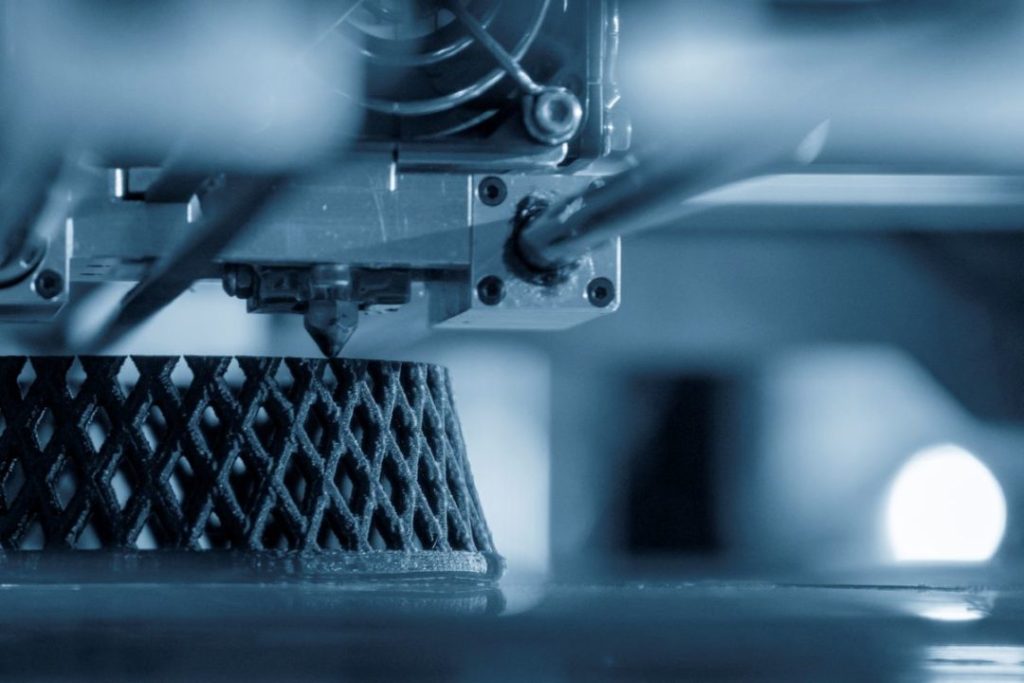
Cost is one of the most important factors to consider when choosing manufacturing technology, and CNC is usually cheaper and more cost-effective than 3D printing.
- Processing Difficulty: Compared to industrial 3D printers, the installation and implementation of CNC machines are much easier. CNC rapid prototyping makes prototyping easier as machines can carve designs from materials and build prototypes using the materials used to obtain the final product. However, 3D printers cannot produce prototypes with structural strength.
- Quality: CNC can manufacture high-quality and precision machined parts, which 3D printers cannot match.
- Product Integrity: The finished product retains the strength and other properties of the material after CNC machining, but 3D printing reduces the integrity of the part due to layering and the inability of the material to bond at the molecular level.
- Volume: Based on speed and cost, CNC machining is more suitable for large-scale production than 3D printing. There are some drawbacks to mass production of 3D printers that have not yet been resolved.
Choose 3D printing for parts with complex structures and appearance requirements
- If the structure of the plastic workpiece is complex and it is a craft, only the appearance is needed. Choosing 3D printing is faster and more cost-effective.
CNC machining and 3D printing each have their own advantages and disadvantages. Choosing the right process will have a crucial impact on your project.
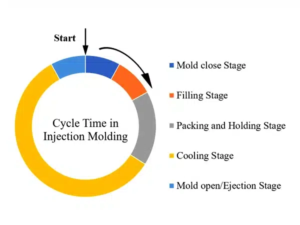
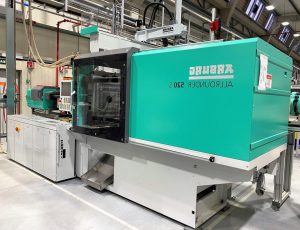
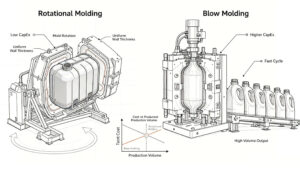
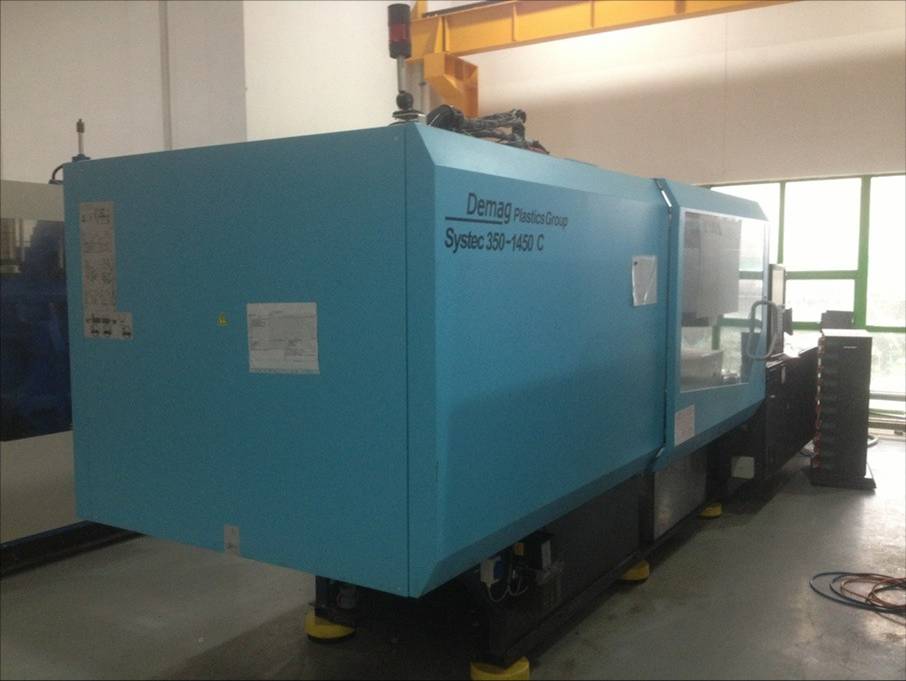
CNC Rapid Prototyping vs. Injection Molding
When designing parts, it is best to consider in advance which process to use to manufacture the model and make corresponding optimizations for that production process.
The most obvious difference between CNC rapid prototyping and injection molding is that CNC can process metal parts while injection molding cannot. Therefore, for plastic parts, the most common processing methods are CNC machining and injection molding. So how should we choose between these two processes?
Generally speaking, this can be seen as a trade-off between several different features. Speed/quantity, price, materials.
1. Speed/Quantity
If the number of parts is small, CNC machining is relatively fast. If you need 10 parts within 2 weeks, choose CNC machining. If you need 50000 parts within 4 months, injection molding is the best choice.
Injection molding requires time to build the mold and ensure that the parts are within the tolerance range. This may take several weeks or months. After completing this operation, using molds to manufacture parts is a very fast process.
2. Price
Which one is cheaper depends on the quantity. If producing several or hundreds of parts, CNC will be cheaper. When the production quantity reaches a certain level, injection molding will be cheaper. It should be noted that injection molding requires sharing the cost of the mold.
3. Materials
CNC machining supports more materials, especially high-performance plastics or specific plastics, but is not good at processing soft materials.
The materials used in injection molding are relatively few, but injection molding can process soft materials.
From the above, it can be seen that the advantages and disadvantages of CNC or injection molding are very obvious. The choice of which processing method to use mainly depends on the balance between speed/quantity, price, and materials.
CNC Rapid Prototyping vs. Vacuum Casting
There are significant differences between plastic CNC rapid prototyping and vacuum casting in multiple aspects.
- In terms of processing methods, CNC rapid prototyping is processed with high precision using CNC machine tools, ensuring high precision and rapid production of products. Vacuum casting molds are simple molds made of silicone based on CNC prototypes, mainly used for low-volume products.
- In terms of material properties, CNC rapid prototyping materials are diverse, including metal and plastic, while vacuum casting cannot replicate metal materials due to material limitations.
- In terms of applicability, CNC rapid prototyping is suitable for making models of various complex structures and materials, while vacuum casting molds are more suitable for replicating plastic models with small batches and simple structures.
Overall, there are significant differences in processing methods, material properties, and applicability between plastic CNC rapid prototyping and vacuum casting prototypes.
Future Trends in CNC Rapid Prototyping
Technological Advancements on the Horizon
The landscape of CNC rapid prototyping is rapidly evolving, driven by significant technological advancements. As CNC (Computer Numerical Control) technology becomes more sophisticated, we are witnessing an increase in the precision and complexity of prototypes that can be created. New materials, such as advanced composites and biodegradable plastics, are being integrated into the CNC process, allowing for greater versatility in applications. Furthermore, innovations like multi-axis machining are enabling the production of intricate geometries that were previously unattainable.
Integration with AI and Automation
One of the most transformative trends in CNC rapid prototyping is the integration of artificial intelligence (AI) and automation. AI algorithms can optimize machining processes by predicting tool wear, enhancing precision, and reducing cycle times. For example, AI can analyze vast amounts of data from past machining operations to identify patterns and recommend adjustments in real time, improving efficiency. Additionally, automation technologies such as robotic arms can be incorporated into CNC systems, enabling seamless transitions between different stages of prototyping. This combination of AI and automation not only streamlines workflows but also minimizes human error, ultimately leading to higher-quality prototypes.
Impact on Product Development Cycles
The advancements in CNC rapid prototyping significantly impact product development cycles. Traditionally, the prototyping phase could take weeks or even months, but with the enhanced capabilities of modern CNC technology, this timeframe is drastically reduced. Faster prototyping allows companies to iterate designs more quickly, facilitating a more agile development process. Additionally, the ability to produce high-quality prototypes enables better testing and validation before moving to full-scale production. This agility not only shortens time-to-market but also allows for more innovative products, as companies can experiment and refine ideas without the constraints of lengthy prototyping timelines. In today’s fast-paced market, this ability to innovate rapidly is crucial for staying competitive.
In summary, the future of CNC rapid prototyping is bright, characterized by technological advancements, AI integration, and streamlined product development processes that together promise to reshape industries.
Comments
Latest Posts
Related Blogs
Senyo’s blog is focused on sharing our extensive knowledge of prototype manufacturing. Through our articles, we aim to support you in refining your product design and navigating the complexities of rapid prototyping more effectively.