Low-Volume Injection Molding: A Guide to Small-Batch Parts
Table of Contents
Conclusion
- Low-volume injection molding is ideal for small-batch production, prototyping, and custom parts.
- Advantages include cost savings, flexibility, and quicker production times compared to traditional high-volume molding.
- The process benefits industries like automotive, medical, and consumer goods, providing a reliable solution for limited runs.
- Material choice is essential for optimizing the durability and functionality of the final product.
- Future trends in low-volume molding include eco-friendly practices and new mold-making materials.
Why Read This Article?
This article is worth your time because it provides a detailed exploration of low-volume injection molding, a crucial technique in modern manufacturing. By understanding the nuances of this process, you can make informed decisions about your production needs, optimize costs, and improve product quality. With insights into the latest trends, practical applications, and expert tips, this guide serves as a valuable resource for anyone involved in plastic manufacturing.

What is Low-Volume Injection Molding?
Low-volume injection molding refers to the process of producing plastic parts in smaller quantities, typically ranging from a few dozen to several thousand units. This method is particularly beneficial for companies that require prototypes or small batches of custom plastic components.
Unlike traditional injection molding, which is designed for mass production, low-volume injection molding focuses on flexibility and speed, allowing for rapid iterations and adjustments during the design phase.The process involves creating a mold, which is then filled with molten plastic resin. Once cooled, the mold is opened, and the finished part is ejected. This method is ideal for testing designs and functionality before committing to larger production runs, making it a crucial step in product development.
How Does Low-Volume Injection Molding Work?
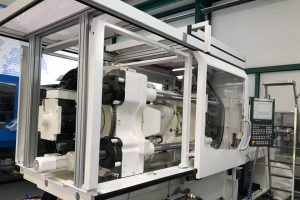
The low-volume injection molding process begins with the design of a mold, which is typically made from steel or aluminum. The mold is crafted to the exact specifications of the desired plastic part. Once the mold is ready, the following steps are involved:
- Heating the Plastic Resin: The chosen plastic resin is heated until it reaches a molten state.
- Injecting the Resin: The molten plastic is injected into the mold under high pressure, ensuring that it fills every cavity.
- Cooling: The mold is cooled, allowing the plastic to solidify and take the shape of the mold.
- Ejection: Once cooled, the mold is opened, and the finished part is ejected.
This process can be repeated multiple times, making it efficient for producing small batches of parts. The ability to quickly change molds also allows for easy adjustments to designs, which is particularly useful in prototyping.
What Are the Benefits of Low-Volume Injection Molding?
Low-volume injection molding offers several advantages over traditional manufacturing methods:
- Cost-Effective for Small Batches: Producing small quantities of parts can be more economical with low-volume injection molding, as it reduces the need for large-scale production setups.
- Faster Turnaround Times: The process allows for quicker production cycles, enabling companies to bring products to market faster.
- Flexibility in Design: Changes to the design can be made easily without incurring significant costs, making it ideal for prototyping and iterative development.
- High Precision and Quality: Low-volume injection molding can produce parts with high accuracy and repeatability, ensuring consistent quality across batches.
These benefits make low-volume injection molding an attractive option for businesses looking to innovate and adapt quickly to market demands.
When Should You Use Low-Volume Injection Molding?
Low-volume injection molding is particularly useful in several scenarios:
- Prototyping: When developing a new product, low-volume injection molding allows for rapid prototyping, enabling designers to test and refine their ideas before committing to mass production.
- Small Batch Production: For products that do not require large quantities, such as specialized components or limited-edition items, low-volume injection molding is a cost-effective solution.
- Market Testing: Companies can produce small quantities of a product to test market response before investing in larger production runs.
Understanding when to utilize low-volume injection molding can help businesses optimize their production strategies and reduce waste.

What Materials Are Used in Low-Volume Injection Molding?
A variety of materials can be used in low-volume injection molding, each offering unique properties:
- Thermoplastics: Commonly used materials include ABS, Polypropylene, and nylon. These materials are favored for their versatility and ease of processing.
- ABS (Acrylonitrile Butadiene Styrene): Known for strength and impact resistance, ABS is popular for automotive and electronic components.
- Polypropylene (PP): Lightweight and durable, PP is often used in food containers and consumer goods.
- Nylon: High strength and temperature resistance make nylon suitable for mechanical parts.
Material Properties Applications ABS Strong, impact-resistant Automotive, electronics Polypropylene Lightweight, flexible Consumer goods, food containers Nylon High strength, heat resistant Mechanical, industrial applications - Thermosetting Plastics: These materials, such as epoxy and phenolic resins, are used for applications requiring high heat resistance and durability.
- Elastomers: Rubber-like materials are often used for parts that require flexibility and resilience.
Choosing the right material is crucial, as it affects the performance, durability, and cost of the final product.
How Does Low-Volume Injection Molding Compare to High-Volume Production?
While both low-volume and high-volume injection molding share the same fundamental process, they differ significantly in application and cost:
- Production Scale: High-volume injection molding is designed for mass production, often requiring significant upfront investment in molds and machinery. In contrast, low-volume injection molding is more adaptable and cost-effective for smaller runs.
- Lead Times: Low-volume production typically has shorter lead times, allowing for quicker adjustments and faster market entry.
- Cost Efficiency: High-volume production becomes more cost-effective as quantities increase, while low-volume injection molding is ideal for smaller quantities without the need for extensive investment.
Understanding these differences can help businesses choose the right approach based on their production needs.
What Are Common Applications of Low-Volume Injection Molding?
Low-volume injection molding is utilized across various industries, including:
- Automotive: Producing custom components for prototypes or limited-edition vehicles.
- Consumer Products: Creating small batches of unique items, such as toys or household goods.
- Medical Devices: Manufacturing specialized parts that require precision and compliance with regulatory standards.
- Electronics: Developing housings and components for electronic devices.
These applications highlight the versatility and importance of low-volume injection molding in modern manufacturing.
How to Choose a Low-Volume Injection Molding Service?
Selecting the right low-volume injection molding service involves several considerations:
- Experience and Expertise: Look for a provider with a proven track record in low-volume production and a deep understanding of the materials and processes involved.
- Quality Assurance: Ensure the service has robust quality control measures in place to guarantee the consistency and reliability of the parts produced.
- Customer Support: A responsive and knowledgeable support team can help address any concerns and facilitate smooth communication throughout the project.
By carefully evaluating potential partners, businesses can ensure they receive high-quality services tailored to their specific needs.
What Are the Costs Associated with Low-Volume Injection Molding?
The costs of low-volume injection molding can vary based on several factors:
- Mold Design and Production: The complexity of the mold design and the materials used can significantly impact costs. Simple molds may be less expensive, while intricate designs require more investment.
- Material Costs: The type of plastic resin chosen will also affect the overall cost. Some materials are more expensive than others, depending on their properties and availability.
- Production Volume: While low-volume injection molding is cost-effective for small batches, the price per unit may decrease with larger orders.
Understanding these cost factors can help businesses budget effectively and make informed decisions about their production processes.
Future Trends in Low-Volume Injection Molding
Sustainability is becoming a critical focus in injection molding processes, driven by consumer demand and regulatory pressures. Future developments in low-volume injection molding include:
- Use of Biodegradable Plastics: Manufacturers are increasingly adopting materials like PLA (Polylactic Acid) and other bioplastics that break down naturally, reducing environmental impact.
- Recycled Resin Usage: The use of recycled plastic resins for low-volume production helps minimize waste without compromising product quality.
- Energy-Efficient Machinery: Advances in injection molding machines are leading to lower energy consumption, especially for small-batch production, where efficiency can significantly impact costs.
Example: A consumer goods company recently switched to recycled polypropylene for small-batch plastic parts, reducing their carbon footprint by 25% per production cycle.
FAQs
What is the typical lead time for low-volume injection molding?
Lead times can vary based on the complexity of the project, but typically range from a few weeks to a couple of months.
Can low-volume injection molding be used for metal parts?
No, low-volume injection molding is specifically designed for plastic materials. However, similar processes exist for metal components, such as die casting.
How does low-volume injection molding impact sustainability?
Low-volume injection molding can be more sustainable than high-volume methods, as it reduces waste and allows for more efficient use of materials.
How much does low-volume injection molding cost?
Costs vary depending on tooling, material, and part complexity. Low-volume molding typically has lower upfront costs than high-volume production.
What are the limitations of low-volume injection molding?
While it offers many advantages, low-volume injection molding may not be suitable for extremely high production demands or for parts requiring very complex geometries.
Comments
Latest Posts
Related Blogs
Senyo’s blog is focused on sharing our extensive knowledge of prototype manufacturing. Through our articles, we aim to support you in refining your product design and navigating the complexities of rapid prototyping more effectively.