NYLON INJECTION MOLDING GUIDE: PROCESS OVERVIEW
Table of Contents
Conclusion
- Nylon injection molding is ideal for high-performance parts due to nylon’s durability and strength.
- Nylon types such as PA 6 and PA 66 offer unique benefits tailored to different applications.
- The injection molding process ensures high-quality, precise parts with minimal waste.
- Proper management of process variables and material handling enhances product quality.
- Future trends include sustainable materials and bio-nylon options, which are expanding the use of nylon injection molding across industries.

What is Nylon Injection Molding?
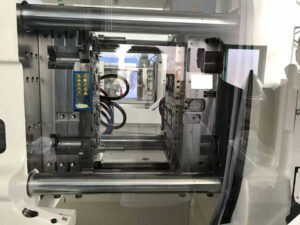
Nylon injection molding is a manufacturing process that involves injecting melted nylon plastic into a mold cavity to create durable and precise parts. Nylon, a type of polyamide, is highly valued for its strength, resilience, and heat resistance, making it an ideal material for high-performance applications. The process of injection molding allows manufacturers to produce nylon parts efficiently and at scale, enabling cost-effective solutions for various industries.
The key to successful nylon injection molding lies in understanding the molding process, from preparing the nylon material to cooling and removing the molded parts. This article will explore each aspect in detail, providing a solid foundation in this essential manufacturing technique.
Why Choose Nylon for Injection Molding?
Nylon is one of the most widely used materials in plastic injection molding due to its combination of strength, flexibility, and resistance to wear. Nylon’s key properties include:
- High tensile strength: Ideal for parts that must withstand heavy stress.
- Heat resistance: Nylon parts can handle higher temperatures than many other plastics.
- Chemical resistance: Nylon resists oils, fuels, and solvents, making it suitable for automotive and industrial applications.
In comparison to other plastics, nylon provides a unique balance of durability and performance. For instance, while polypropylene is cost-effective, it lacks the strength and heat tolerance that nylon offers. ABS plastic, on the other hand, has good impact resistance but falls short on tensile strength, especially under high loads.
What Are the Different Types of Nylon Used in Molding?
Different types of nylon bring specific benefits to injection molding. Nylon 6 (PA 6) and Nylon 66 (PA 66) are the most commonly used, each offering unique advantages.
- Nylon 6 (PA 6): Known for its toughness and excellent wear resistance, PA 6 is widely used in automotive parts, gears, and mechanical components.
- Nylon 66 (PA 66): With higher rigidity and heat stability, PA 66 is often used in applications requiring stiffness and thermal resistance, such as engine covers and electrical connectors.
| Nylon Type | Properties | Common Uses |
|---|---|---|
| Nylon 6 | High toughness, wear resistance | Gears, mechanical parts |
| Nylon 66 | Stiffness, high thermal stability | Engine covers, connectors |
There is also nylon 12, which has excellent chemical resistance and is commonly used in automotive and industrial applications.
Choosing the right type of nylon depends on the application’s specific needs, such as flexibility, strength, and environmental exposure.
How Does the Nylon Injection Molding Process Work?
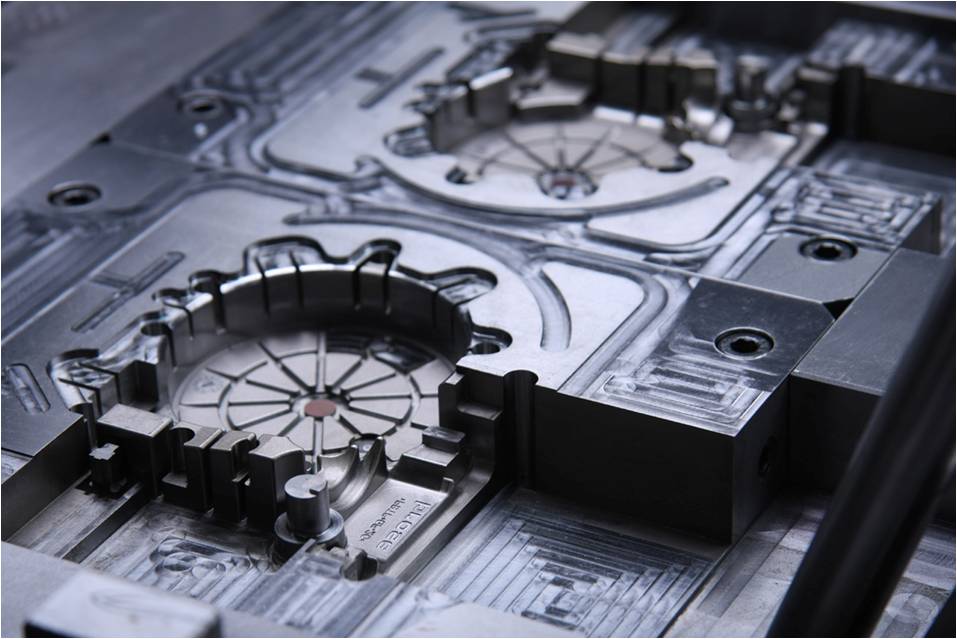
The nylon injection molding process consists of several critical steps:
- Material Preparation: Nylon pellets are dried to remove moisture, which can affect the final product’s quality.
- Melting and Injection: The dried nylon is heated until it melts and is then injected into the mold under high pressure.
- Cooling and Solidification: Once the mold is filled, the nylon cools and solidifies, taking the shape of the mold cavity.
- Ejection: After cooling, the molded nylon part is ejected from the mold.
Understanding these steps is vital for optimizing the injection molding process and achieving high-quality results.
What Are the Key Properties of Nylon That Enhance Its Molding?
Nylon possesses several key properties that make it an ideal material for injection molding:
- Strength and Toughness: Nylon offers high tensile strength, making it suitable for load-bearing applications.
- Heat Resistance: Certain types of nylon can withstand elevated temperatures, which is crucial in automotive and industrial settings.
- Moisture Absorption: While nylon can absorb moisture, this property can be managed through proper drying techniques.
These properties contribute to the versatility and effectiveness of nylon in various applications.
What Are the Advantages of Using Nylon in Injection Molding?
Using nylon in injection molding presents numerous advantages:
- Cost-Effectiveness: Nylon’s durability reduces the need for frequent replacements, lowering long-term costs.
- Design Flexibility: The injection molding process allows for complex designs that would be difficult to achieve with other materials.
- Recyclability: Nylon can be recycled, contributing to sustainability efforts in manufacturing.
These benefits illustrate why nylon is a popular choice among manufacturers looking to enhance product performance and sustainability.
How to Optimize Your Injection Molding Process with Nylon?
To optimize the nylon injection molding process, consider the following strategies:
- Temperature Control: Maintaining the correct temperature during the melting and injection phases is crucial for achieving high-quality molded parts.
- Moisture Management: Properly drying nylon pellets before processing helps prevent defects in the final product.
- Cycle Time Reduction: Streamlining the cooling process can significantly reduce cycle times, increasing production efficiency.
Implementing these practices can enhance the overall effectiveness of the nylon injection molding process.
What Are Common Applications of Molded Nylon Parts?
Molded nylon parts find applications across various industries, including:
- Automotive: Components like gears, bushings, and fuel lines are often made from nylon due to its strength and chemical resistance.
- Consumer Goods: Items such as kitchen utensils and sporting equipment leverage nylon’s durability and aesthetic appeal.
- Industrial: Nylon is used in machinery parts and components requiring high resilience and performance.
Understanding the diverse applications of molded nylon parts highlights the versatility of this material in modern manufacturing.
What Challenges Are Faced in Nylon Injection Molding?
Despite its advantages, nylon injection molding presents several challenges:
- Moisture Sensitivity: Nylon’s tendency to absorb moisture can lead to defects if not properly managed.
- Warpage: Improper cooling can cause warping, affecting the dimensional accuracy of molded parts.
- Cost Variability: Fluctuations in nylon material prices can impact overall production costs.
Addressing these challenges is essential for manufacturers aiming to achieve optimal results in nylon injection molding.
Future Trends in Nylon Injection Molding
As technology advances, several trends are emerging in the world of nylon injection molding:
- Sustainable Practices: The industry is moving towards more sustainable practices, including the use of recycled nylon materials.
- Advanced Manufacturing Technologies: Innovations such as 3D printing and automation are shaping the future of injection molding processes.
- Smart Materials: The development of smart nylon materials with enhanced properties is opening new possibilities for applications in various sectors.
Staying informed about these trends is crucial for manufacturers looking to remain competitive in the evolving landscape of nylon injection molding.
FAQs
What is the main advantage of using nylon in injection molding?
The primary advantage of using nylon is its exceptional strength and durability, making it suitable for various demanding applications.
How does moisture affect nylon injection molding?
Moisture absorption can lead to defects like surface blemishes and dimensional inaccuracies in molded nylon parts if not properly managed.
What types of nylon are commonly used in injection molding?
Common types include nylon 6, nylon 66, and nylon 12, each offering unique properties suited for different applications.
Can nylon parts be recycled?
Yes, nylon is recyclable, which contributes to more sustainable manufacturing practices.
What industries use nylon injection molded parts?
Industries such as automotive, consumer goods, and industrial manufacturing frequently utilize nylon injection molded parts.
Comments
Latest Posts
Related Blogs
Senyo’s blog is focused on sharing our extensive knowledge of prototype manufacturing. Through our articles, we aim to support you in refining your product design and navigating the complexities of rapid prototyping more effectively.