Plastic Rapid Prototyping: Innovation in Product Development
Table of Contents
Summary
In today’s fiercely competitive business environment, the speed of product development often determines a company’s market competitiveness. Plastic rapid prototyping has become key in accelerating product innovation and market launch processes. Plastic rapid prototyping has revolutionized product development by enabling fast, efficient, and cost-effective ways to create and refine plastic prototypes.
What Is Plastic Rapid Prototyping and Why Is It Important?
Plastic rapid prototyping is the process of creating plastic prototypes quickly using advanced methods like 3D printing, vacuum casting, CNC machining, and injection molding. This section will explain how plastic rapid prototyping works, why it’s important for today’s industries, and how it has become a valuable tool for designers and engineers.
What Are the Advantages of Using Plastic Rapid Prototyping?
Using plastic in rapid prototyping brings distinct benefits, including low cost, versatility, and ease of modification.
- Cost-effectiveness: Plastic materials have relatively low costs and are suitable for prototype validation and market testing by small and medium-sized enterprises or startups, which can significantly reduce research and development costs.
- Diversity and flexibility: Plastic materials can be selected in different types according to needs, such as ABS, PC, POM, etc., to meet the characteristics and requirements of different products. The diversity of plastic materials makes them highly flexible in rapid prototyping.
- Rapid manufacturing: Plastic materials are suitable for rapid prototyping technologies such as 3D printing, which can quickly produce solid models and accelerate product development speed.
- Design verification: Through rapid prototyping technology, the functionality and feasibility of the product can be demonstrated before it officially enters the manufacturing stage, thereby reducing the risk of R&D failure and subsequent costs.
- Diversity in Material Selection: Plastic materials have a wide range of choices, and different types of plastics such as PA12 can be selected according to specific needs to meet different performance requirements
How to Develop Plastic Rapid Prototyping Techniques?
Developing a plastic rapid prototyping involves several steps:
- Conceptualization: Begin with a clear understanding of the product’s functionality and market needs.
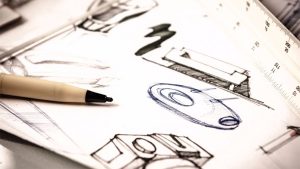
- Design: Create a detailed CAD model, ensuring it meets the specifications required for production.
- Select a Prototyping Technique: Choose among methods like 3D printing, CNC machining, or injection molding based on your needs.
- Prototype Fabrication: Work with a rapid prototyping service to produce the prototype.
- Testing and Feedback: Conduct tests to gain insights and make necessary adjustments before final production.
This structured approach ensures that you develop a functional and high-quality plastic prototype.
How Can CNC Plastic Rapid Prototyping Enhance Your Prototyping Solutions?
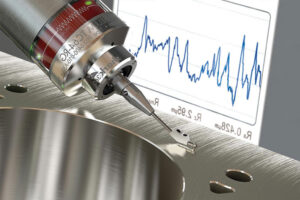
CNC plastic prototyping offers exceptional precision and accuracy, making it a valuable addition to your prototyping solutions. This method utilizes computer-controlled machines to remove material from a solid block, allowing for intricate designs and tight tolerances.CNC machining is particularly beneficial for creating prototypes that require high strength and durability. It is commonly used in industries such as aerospace, automotive, and medical devices, where precision and reliability are paramount.
What Role Does Injection Molding Play in Plastic Rapid Prototyping?
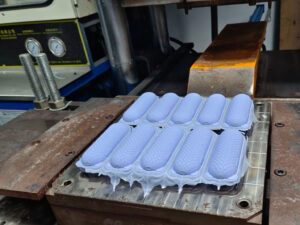
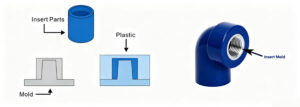
Injection molding is a common technique in rapid prototyping that allows for the creation of detailed plastic prototypes. It involves injecting molten plastic into a mold, resulting in high-quality, durable components. This method is particularly advantageous for producing prototypes that require functional testing.While it may have a higher initial setup cost due to mold creation, injection molding offers benefits when producing large quantities of prototypes. It allows for precise replication of the final product, making it ideal for testing fit and functionality.
What Is the Role of 3D Printing in Plastic Rapid Prototyping?
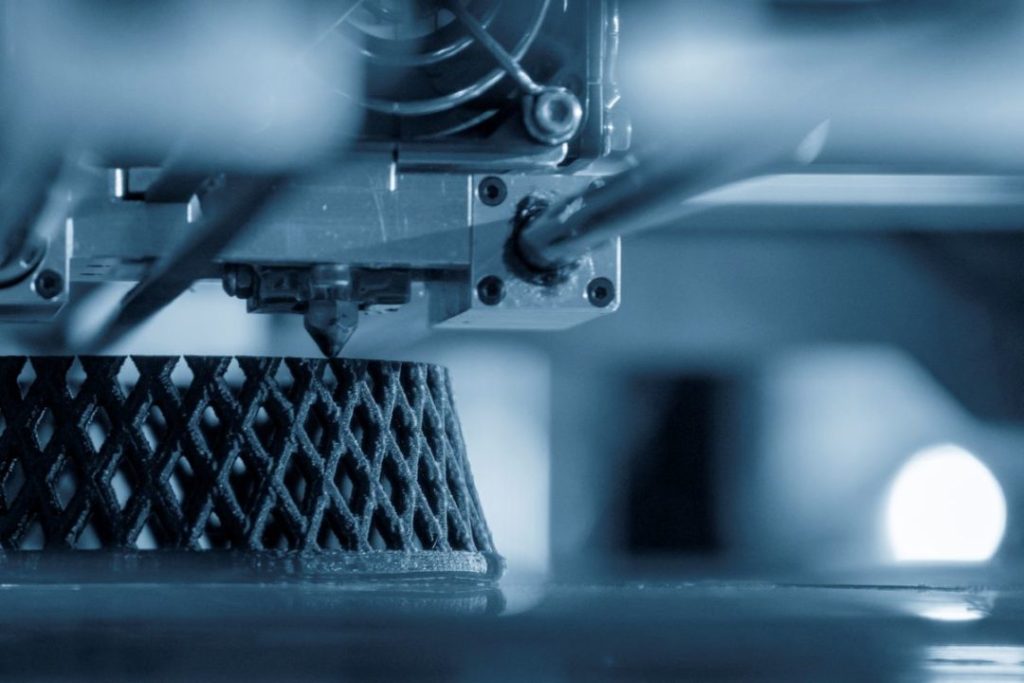
3D printing technology can quickly produce product prototypes, greatly shortening the time cycle from design to physical verification and accelerating the product development process. This enables the company to conduct testing and iteration faster, and then confidently transition to traditional tools for mass production.
3D printing can also provide personalized customization for products: 3D printing technology can manufacture complex geometric structures that are difficult to achieve in traditional manufacturing, such as internal cavities, fine features, etc., making it suitable for small-scale customized production
How Does Vacuum Casting Complement Plastic Rapid Prototyping?
Vacuum casting is a popular solution for rapid prototyping, mainly used for prototype, single piece, and small batch production. It replicates a copy similar to the original sample by making a flexible silicone mold and injecting PUR material into the mold under vacuum. This method can almost replicate all the performance of injection molding processes and is suitable for prototype production and small batch production of thermosetting PUR.
Vacuum casting is ideal for producing parts with high detail and surface quality, making it an excellent choice for visual prototypes and functional testing. It is also more cost-effective for small production runs compared to traditional injection molding.
How to Choose the Right Plastic Rapid Prototyping Service?
Choosing a suitable plastic prototype service requires consideration of the following aspects:
- Product purpose and functional requirements: Firstly, clarify the functional requirements of plastic products, such as whether they are used for packaging, containers, electrical enclosures, or other purposes. Different application scenarios will have a direct impact on the selection of materials.
- Usage environment: Consider the environment in which the product will be used, such as high temperature, low temperature, outdoor exposure, etc. This will determine what characteristics the required materials must possess, such as heat resistance, UV resistance, etc.
- Physical and chemical performance requirements: including strength and toughness, chemical resistance, transparency and color, etc. For example, if the product comes into contact with specific chemicals, it is necessary to choose materials with chemical resistance.
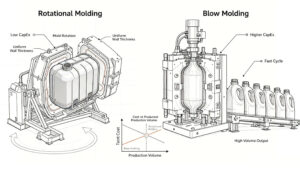
- Adaptability of processing technology: Select the appropriate processing technology based on the complexity of the product’s shape and size, such as injection molding, blow molding, extrusion molding, etc. At the same time, ensure that the selected materials are suitable for specific mold designs for efficient production.
- Cost and Sustainability: Evaluate the cost-effectiveness ratio of different materials and select materials that are both economical and meet performance requirements. In addition, consider using recyclable or biodegradable plastic materials to comply with environmental trends and social responsibility.
- Quality and safety standards: Ensure that the selected materials and final products comply with relevant national or international standards, such as FDA certification for food grade materials. Especially for products such as children’s toys and medical equipment, it is necessary to ensure that the plastic materials used are non-toxic and harmless.
- Partner evaluation: Evaluate the production capacity and equipment progressiveness of the foundry to ensure that it can complete the order on time. Choose an OEM factory with a comprehensive quality management system to ensure quality control during the production process。
By considering the above factors comprehensively, a reasonable choice can be made to ensure that the plastic prototype service can meet specific needs and achieve the expected quality and performance standards
FAQs
What is the primary benefit of rapid prototyping?
The primary benefit of rapid prototyping is its speed, enabling faster product development and iteration cycles..
How does 3D printing different from traditional prototyping methods?
3D printing is an additive process that builds prototypes layer by layer, while traditional methods often involve subtractive processes.
What materials are commonly used in rapid prototyping?
Common materials include various plastics, metals, and composites, depending on the prototyping technique chosen.
Is rapid prototyping suitable for small businesses?
Yes, rapid prototyping is highly beneficial for small businesses, as it allows for quick iterations and reduced costs in product development.
How can I choose the right rapid prototyping service for my project?
Consider factors such as the type of prototype needed, budget, timeline, and the specific services offered by the company.
Comments
Latest Posts
Related Blogs
Senyo’s blog is focused on sharing our extensive knowledge of prototype manufacturing. Through our articles, we aim to support you in refining your product design and navigating the complexities of rapid prototyping more effectively.