Rapid Injection Molding: Fast, Cost-Effective Prototypes for Your Industrial Needs
Table of Contents
Conclusion
Are you looking for a way to quickly and cost-effectively produce high-quality plastic prototypes? This article explores the world of rapid injection molding prototyping, a game-changing manufacturing process that allows you to get your prototypes in record time, allowing for faster validation of your design before moving to production injection molding. Whether you’re in product development or need injection molded parts for testing, this guide will show you how rapid injection molding can benefit your industrial applications. We will show you how quickly you can get a real injection molded prototypes, giving you a serious advantage over your competition.
- Rapid injection molding accelerates the product development process.
- It offers a cost-effective solution for producing plastic prototypes.
- It allows for the rapid validation of designs before entering full production.
- Rapid molds can be created with materials like aluminum tooling to reduce lead times and costs.
- It delivers functional prototypes with high-quality materials, finish and tight tolerances.
- We provide comprehensive tooling services to meet all your prototyping needs.
Ready to get started with rapid injection molding? Contact us today and let us help you to transform your ideas into a plastic prototype. We offer services from medical device prototyping to consumer product prototyping. We can also help with 3d printing to get your prototype quickly. Don’t forget we also specialize in cnc machining and rapid injection molding services.

What is Rapid Injection Molding Prototyping and How Does It Differ From Traditional Injection Molding?
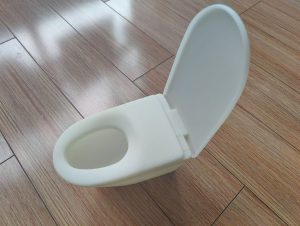
Rapid injection molding prototyping is an advanced manufacturing process that accelerates the creation of injection molded parts. Unlike traditional injection molding, which involves lengthy tooling and production timelines, rapid injection molding utilizes streamlined processes and rapid tooling techniques to quickly produce prototypes and molded prototypes for testing. It’s a faster, more flexible way to get from design to a physical part, especially when you’re trying to validate your design. We are experts in rapid injection molding services, and understand the value of this process.
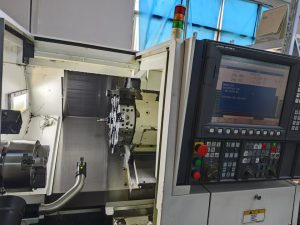
The main difference lies in the speed and cost-effectiveness of the tooling. In traditional injection molding, creating a steel tool can be very expensive and time-consuming. Rapid injection molding often uses aluminum or a master unit die combined with inserts, which are quicker and cheaper to produce, making it ideal for prototype development. We use cnc machining to make mold parts and mold inserts to get your parts quickly. This means you can get your hands on a high-quality plastic part sooner.
Why Is Rapid Injection Molding Prototyping Important For Product Development?
In the product development process, time is of the essence. Rapid injection molding prototyping enables companies to quickly validate their designs by creating injection molded prototypes that closely match the properties and performance of the final product. This allows you to assess form, fit, and function early in the design process. This also minimizes the risks of costly design errors down the line, saving both time and money.
By reducing the time it takes to get a functional prototype, rapid injection molding enables more design iterations and allows for more thorough testing of products before going into full production runs. It’s an iterative process that helps you to get the best solution. We have seen how this iterative process has made a big difference in the product development process for many of our clients. This is why the molding industry is embracing these new techniques.
What Are The Key Benefits Of Using Rapid Injection Molding Prototyping?
There are several key benefits to using rapid injection molding for prototypes. First and foremost is the speed. Rapid injection molding prototying significantly reduces cycle times and tooling lead times, allowing you to get your prototypes much faster compared to traditional injection molding. This is especially valuable when you need to test a design quickly or respond to design changes rapidly.
Second, it’s more cost-effective than traditional methods. By using aluminum molds or rapid tooling, you reduce tooling costs significantly, making it a more accessible option for smaller projects and prototyping needs. This allows you to test multiple design options without breaking the bank. We understand that budget is important, and we strive to offer the best solution for your needs.
Third, rapid injection molding offers the ability to produce real injection molded prototypes that are virtually identical to the final production parts in terms of material properties and surface finish. This ensures your testing is accurate, reliable and that you have high-quality molded prototypes.
How Does The Rapid Injection Molding Process Work?
The rapid injection molding process typically starts with a 3D CAD model of your plastic part. This part design is then used to create a mold using cnc machining. The mold is often made using an aluminum mold or a master unit die with interchangeable mold inserts, which are faster and cheaper to produce than traditional steel tools.
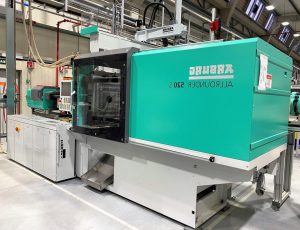
Once the mold is ready, it’s placed in an injection molding machine, where molten plastic is injected under pressure to fill the mold cavity. Once the plastic cools and solidifies, the mold is opened and the plastic part is ejected. This entire process is fast and efficient, allowing for the quick turnaround of high-quality injection molded parts. This streamlined method is the heart of our rapid production process.
What Tool and Mold Materials Are Used in Rapid Injection Molding Prototyping?
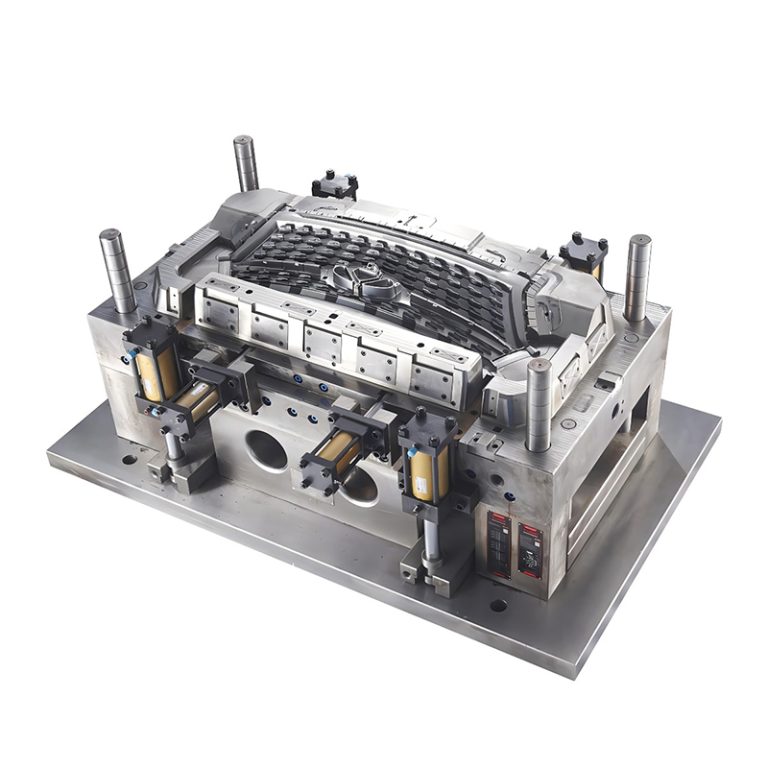
The choice of tool and mold materials is important for the success of rapid injection molding. While steel is the go-to material for production tooling, rapid injection molding often uses aluminum or tool steel inserts within a master unit. Aluminum is preferred because it is lighter, easier to machine, and has better heat transfer properties, which means shorter cycle times.
However, depending on the molding requirements of the project, other materials can be used, such as hardened steel for projects that have abrasive materials or high-volume runs. We have many different tooling material options available to us. The right tooling material is chosen based on your project’s specific needs, taking into consideration factors like the complexity of the plastic part, the number of parts required, and the type of plastic being used.
How Does 3D Print Compare To Rapid Injection Molding Prototyping?
While 3D printing is a popular choice for rapid prototyping, rapid injection molding prototyping offers some significant advantages when you need parts that behave and perform more like the final product. 3D printing, while great for conceptual designs and early-stage prototypes, often lacks the material properties and surface finish of injection molded components. We have used 3d printing technology to create parts that are then used as mold parts for our rapid injection molding process.
Rapid injection molding provides you with a plastic prototype that closely matches the mechanical properties and surface quality of the production parts. This is especially important for functional testing and validation. While 3d printing is useful for many types of projects, for injection molded prototypes, rapid injection molding is often the better option. It’s about choosing the right prototyping process based on the requirements of your project. We aim to find the best solution for you.
What Types Of Plastic Are Suitable For Rapid Injection Molding?
Rapid injection molding prototyping is versatile and works with a variety of types of plastic. These include thermoplastics like ABS, polycarbonate (PC), polypropylene (PP), and polyethylene (PE). Each type has unique properties, and we can help you select the right injection molding materials for your molding project.
The right material selection depends on the specific requirements of your plastic part, such as its intended use, mechanical strength, temperature resistance, and chemical compatibility. Our molding experts can help you navigate these options and choose a plastic that meets the performance and quality standards of your prototype. We can help you make the right choice.
How Can Rapid Injection Molding Prototyping Help With Mold Design?
Rapid injection molding can be a valuable tool in mold design. By quickly creating mold parts and prototypes, it enables designers to identify potential problems with their mold design and make the needed adjustments much sooner, rather than waiting for expensive steel tooling to be produced. This helps you to optimize the design for manufacturing and get better results in your final production mold.
The use of rapid molds and mold inserts also allows for more flexibility in the mold design. Different mold changes can be tested to ensure that the design will produce high-quality parts, with a high degree of precision. This iterative process ensures that the mold is designed for optimal efficiency and performance. We can help you to use rapid injection molding as an important part of your design process.
How Can You Get a Prototype Injection Mold Quickly?
Getting a prototype injection mold quickly is the core of our business. We understand that time is critical in product development, and our streamlined processes enable us to provide you with rapid prototype injection molding services that are fast and efficient. We utilize cnc machining and rapid tooling to produce your mold and get your plastic parts to you sooner.
To use rapid prototype injection molding, you need to provide us with your 3D CAD file and let us know your requirements, including your material selection and desired quantities. From there, we handle the rest, from mold design to injection molding. We are dedicated to making sure your prototyping needs are met quickly and efficiently. We provide injection molding services that are fast and reliable.
What Are the Key Considerations When Choosing Between Rapid Tooling vs. Traditional Tooling?
When choosing between rapid tooling and traditional tooling, you need to consider several factors. Traditional injection molds made of tool steel are durable and can produce thousands of parts reliably, and are therefore ideal for production runs. However, they require a significant investment of both time and money. Tooling is often the biggest upfront cost in a production injection molding project.
On the other hand, rapid tooling options, such as aluminum molds or mold inserts, are a good fit for prototypes and low-volume production. They offer a much lower cost and faster tooling process. Bridge tooling options can also be useful for the step between prototype and production. The decision will depend on the complexity of your plastic product, production volume, and your budget. We can help you determine the best solution for your specific needs. We can help you navigate your options.
FAQs
What Are Common Applications of Metal Rapid Prototyping?
Metal rapid prototyping is a manufacturing process that allows for the swift creation of metal prototypes using advanced technologies like 3D printing and CNC machining.
How does metal rapid prototyping differ from plastic prototyping?
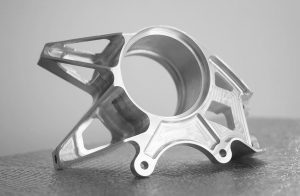
Metal rapid prototyping generally offers greater strength and durability compared to plastic prototypes, making it suitable for functional testing in demanding applications.
What are the main advantages of using sheet metal in prototyping?
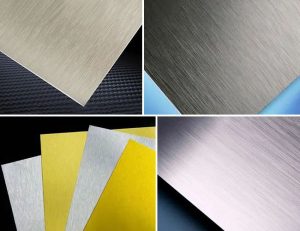
Sheet metal is cost-effective, versatile, and allows for quick production of prototypes with precise dimensions.
How can I choose the right prototyping method for my project?
Consider factors such as design complexity, material requirements, and intended use when selecting a prototyping method.
What industries benefit from metal rapid prototyping?
Industries such as aerospace, automotive, and medical devices frequently utilize metal rapid prototyping for its precision and efficiency.
Comments
Latest Posts
Related Blogs
Senyo’s blog is focused on sharing our extensive knowledge of prototype manufacturing. Through our articles, we aim to support you in refining your product design and navigating the complexities of rapid prototyping more effectively.