Rapid Plastic Prototyping: Accelerate Your Product Development with Superior Prototype Services
Table of Contents
Conclusion
Are you a new product developer seeking to bring your innovative ideas to life quickly and efficiently? Rapid plastic prototyping is the key. This guide dives deep into the world of plastic prototypes, exploring the best prototype services, the various rapid prototyping processes, and how to choose the right rapid prototyping service for your needs. Learn how to create prototypes, including plastic, faster than ever before.
Rapid plastic prototyping is essential for any product development team. It enables you to create plastic prototypes quickly, affordably, and efficiently. By utilizing the right rapid prototyping techniques, and prototype service, and working with a reputable rapid prototyping company, you can bring your designs to life faster and reduce overall costs.
- Prototypes allow you to test designs.
- Rapid prototypes enable a faster process.
- The right plastic material is a key.
- Choose the best prototype service to work with!
- Use rapid prototyping to test and refine your designs.
- Ask for a request a quote!
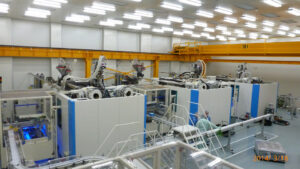
Ready to create high-quality prototypes and expedite your product development process? Contact Senyorapid today. We are committed to deliver prototyping solutions that meet or exceed industry standards. Let us help you bring your product to life! Our manufacturing facility is state-of-the-art.
Following are our prototyping services for different industries
medical device prototyping /automotive prototyping /robot prototyping/ industrial prototyping /consumer product prototyping /3d printing /injection molding

What is Rapid Plastic Prototyping and Why is it Important?
Rapid plastic prototyping is the process of creating plastic prototypes quickly and efficiently. It’s a critical step in the product development cycle. It allows product developers to test, refine, and validate their designs before investing in mass production. This allows product development to streamline the process. Rapid prototype is an important term here!
The ability to use rapid prototyping offers a significant advantage in today’s fast-paced market. By creating rapid prototypes, you can identify and fix design flaws early, reduce development costs, and get your final product to market faster. Whether you are creating a plastic prototype or other type of prototype, we can help!
What are the Different Rapid Prototyping Techniques for Plastic Prototypes?
Several prototyping techniques are available for creating plastic prototypes. The choice of technique depends on factors like desired accuracy, material properties, and production volume. Here are some of the most common rapid prototyping processes:
- 3D Printing: This technology uses 3d printing technology such as SLA 3d printing or FDM 3d printing to build plastic parts layer by layer from a cad file. It’s a very cost-effective process.
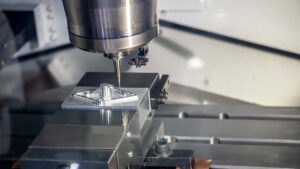
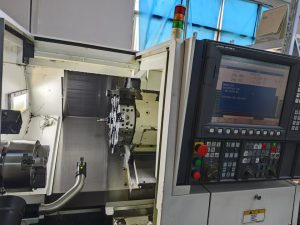
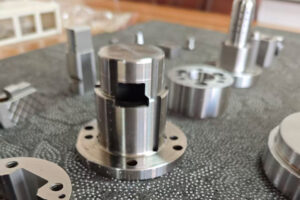
- CNC Machining: This is a subtractive manufacturing method that uses cnc machining to remove material from a solid block of plastic.
- Vacuum Casting: This process involves creating a silicone mold from a master prototype and using it to cast plastic parts.
- Injection Molding: While typically used for mass production, injection molding can also be used for rapid prototypeing, especially when the design is finalized.
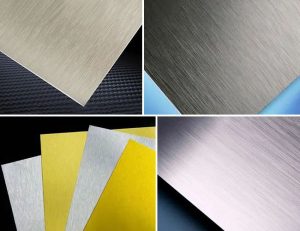
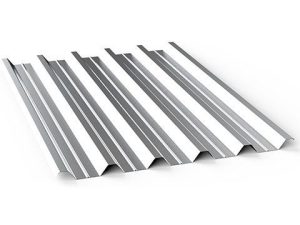
- Fabrication: Fabrication techniques like sheet metal are often used to create plastic parts.
Each of these prototyping processes has its strengths and weaknesses. Understanding these rapid prototyping techniques is crucial for selecting the best method for your specific needs.
What are the Advantages of Using Rapid Plastic Prototyping?
Rapid plastic prototyping offers numerous advantages for product development:
- Speed: It significantly reduces lead time compared to traditional manufacturing methods.
- Cost-Effectiveness: It can be more cost-effective than traditional manufacturing methods, especially for early prototypes.
- Design Freedom: It enables the creation of complex geometries and intricate designs.
- Material Selection: You can choose from a wide range of plastic materials to meet your specific requirements.
- Iteration: Allows you to quickly iterate on your designs and make changes based on testing and feedback.
- Proof of Concept: Prototypes offer a proof of concept for your designs.
These benefits help you to bring your designs to life, streamline the product development cycle.
What are the Key Considerations When Choosing a Prototype Service?
Selecting the right prototype service is crucial to the success of your project. Here are the key considerations:
- Experience and Expertise: Choose a company with a proven track record and expertise in rapid plastic prototyping.
- Capabilities: Ensure that the service offers the prototyping techniques that meet your specific needs.
- Material Selection: Make sure the service offers the plastic materials you require.
- Quality Control: Inquire about their quality control processes to ensure the production of high-quality prototype.
- Lead Times: Determine their lead time to meet your project deadlines.
- Costs: Ask for a request a quote to know about the rapid prototyping costs.
Consider these factors to find a reliable rapid prototyping company that can deliver prototyping solutions.
What Plastic Materials are Commonly Used in Rapid Prototyping?
A wide array of plastic materials are employed in rapid prototyping, each offering unique properties. Here are some commonly used options:
- ABS (Acrylonitrile Butadiene Styrene): A versatile material, easy to prototype and machined parts and known for its impact resistance.
- Polycarbonate (PC): Provides excellent strength, transparency, and heat resistance.
- Polypropylene (PP): Offers good chemical resistance and flexibility.
- Nylon (PA): Known for its strength, durability, and resistance to wear.
- Acrylonitrile Styrene Acrylate (ASA): A plastic with excellent weather resistance and UV stability.
The best material depends on your prototype‘s intended application and the desired properties.
How Does Injection Molding Fit into the Rapid Prototyping Process?
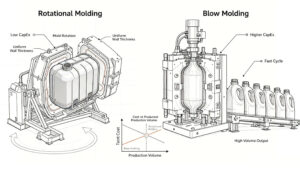
Injection molding is a manufacturing process that involves injecting molten plastic into a mold to create parts. While primarily used for mass production, it can also play a role in rapid prototyping.
Here’s how injection molding can be used for rapid prototype:
- Rapid Tooling: By using rapid tooling techniques, such as soft tooling or aluminum molds, you can create injection molding tools quickly and cost-effectively for prototype production.
- Design Validation: Using injection molding for prototypes provides the most accurate representation of how the final product will look and perform.
- Small Production Runs: You can use injection molding for small prototype runs of parts, especially if the design is relatively simple.
Injection molding allows to create a high-quality prototype to test the design.
What are the Typical Lead Times and Costs for Rapid Plastic Prototyping?
Lead times and rapid prototyping costs vary depending on several factors:
- Complexity of the Design: Complex geometries and intricate features will typically require longer lead times and higher costs.
- Prototyping Techniques: Different techniques (e.g., cnc machining, injection molding) have different lead times and cost of rapid prototyping.
- Material Selection: The cost of the plastic material will impact the overall cost.
- Quantity: The number of parts required affects both the lead time and the cost.
However, rapid prototyping is generally faster and more cost-effective than traditional methods, especially for early prototype development. You can ask for a request a quote today.
How to Expedite Rapid Prototyping and Reduce Costs?
You can take several steps to expedite rapid prototyping and reduce rapid prototyping costs:
- Optimize Your Design: Simplify your design to reduce complexity and tooling costs.
- Choose the Right Prototyping Process: Select the most suitable process for your design.
- Use Standard Materials: Utilizing standard plastic materials can often reduce costs.
- Provide Accurate CAD Files: Accurate cad files will minimize the risk of errors and delays.
- Work with an Experienced Provider: An experienced rapid prototyping company can help you optimize your design and choose the most cost-effective solution.
By taking these steps, you can reduce lead times, and costs while still achieving superior rapid prototyping results.
How Can You Find a Reliable Rapid Prototyping Company?
Finding a reliable rapid prototyping company is crucial to ensure project success. Here’s how to choose one:
- Research and Review: Read reviews, check online portfolios, and request case studies.
- Check their Capabilities: Ensure the company offers the plastic prototyping services you need.
- Assess their Expertise: Evaluate the company’s experience and knowledge of rapid prototyping techniques.
- Evaluate Customer Service: Assess their responsiveness and willingness to work with you.
- Request Quotes: Ask for quotes from multiple companies.
A good rapid prototyping company will be there to provide you with manufacturing services.
How Can Rapid Prototyping Enhance Your Product Development?
Rapid prototyping is a crucial part of the product development process. Here’s how it enhances the process:
- Early Validation: Allows you to test and validate your designs early in the process.
- Reduced Costs: Helps you to identify and fix design flaws, reducing overall costs.
- Faster Time to Market: Speeds up the product development process, enabling you to bring your final product to market faster.
- Improved Designs: Enables you to iterate on your designs and refine them based on testing and feedback.
By using rapid prototyping, your development team can create prototypes and a working prototype to build your business.
FAQs
What is the best rapid prototyping process for complex designs?
3D printing and vacuum casting are often good choices for complex geometries.
What is the lead time for a plastic prototype?
Lead times can vary from a few days to a few weeks, depending on the complexity and the chosen prototyping process.
Is rapid plastic prototyping cost-effective?
Yes, it is, especially compared to traditional manufacturing methods.
What is the cost of rapid prototyping?
The cost of rapid prototyping can vary, but it’s generally less expensive than traditional methods.
Can I use rapid prototyping for mass production?
While rapid prototyping is mainly used for prototype and low-volume production, some methods, like injection molding, can also be used for small runs.
Comments
Latest Posts
Related Blogs
Senyo’s blog is focused on sharing our extensive knowledge of prototype manufacturing. Through our articles, we aim to support you in refining your product design and navigating the complexities of rapid prototyping more effectively.