Rapid Prototype Casting: Bring Your Designs to Life with Precision and Speed
Table of Contents
Conclusion
Are you a product developer seeking a fast, efficient, and cost-effective way to create functional metal prototype? Rapid prototype casting, also known as prototype casting, is a transformative manufacturing process that empowers you to transform your ideas into tangible realities. This guide explores the power of rapid prototype casting, including rapid prototype investment casting, highlighting its benefits and guiding you through the process.
Rapid prototype casting is a powerful tool that can significantly accelerate the product development process, allowing product developers to quickly create functional metal prototypes. By leveraging the speed, precision, and versatility of this technology, you can test and refine your designs efficiently, reduce development costs, and ultimately bring your designs to life.
Here are some key takeaways:
- Rapid prototype casting provides a fast and efficient way to create functional metal prototype.
- Investment casting is a type of rapid prototype casting that offers high accuracy and detail.
- Rapid prototype casting is used across a wide range of industries, from aerospace to consumer products.
- Senyorapid is a leading provider of rapid prototyping services, offering tailored prototyping solutions.
Ready to get started? Request a quote today to discuss your prototype casting needs with our team of experts. We are excited to hear from you, and we can help you create prototype parts that meet your specific requirements. Contact us today! We are excited to bring your designs to life! Please get in touch!
What is Rapid Prototype Casting?
Rapid prototype casting is a collection of manufacturing processes designed to create functional metal prototypes quickly and efficiently. Unlike traditional casting methods that require extensive tooling and long lead times, rapid prototype casting streamlines the process, allowing product developers to quickly iterate and refine their designs.
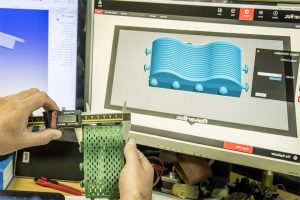
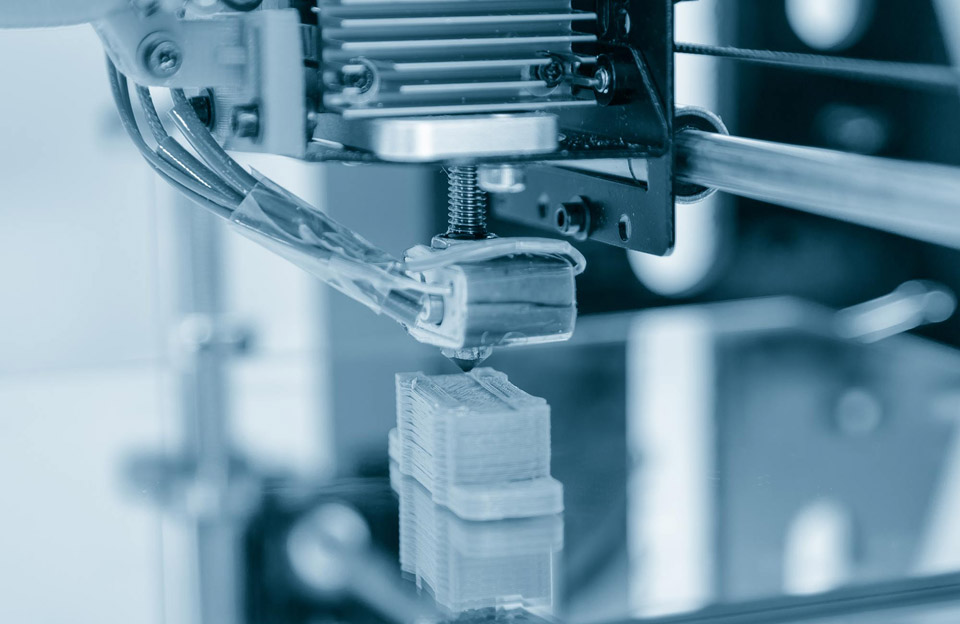
Rapid prototype investment casting is a popular rapid prototyping process that uses a sacrificial prototype pattern, often created using 3d printing or stereolithography (SLA), to produce highly accurate and detailed cast prototypes. These are often functional prototype parts.
What are the Key Advantages of Rapid Prototype Casting?
Rapid prototype casting offers a multitude of benefits for product developers:
- Speed: Rapid prototype casting significantly reduces lead times compared to traditional methods, enabling faster design iterations and testing and development.
- Cost-Effectiveness: While the initial investment might seem higher, the ability to identify and correct design flaws early in the prototype development process can save significant costs in the long run.
- Design Flexibility: Rapid prototype casting allows for the creation of complex geometries and intricate designs that might be impossible or impractical with other methods.
- Material Versatility: Rapid prototype casting can be used with a wide range of metals and alloys, allowing you to select the material best suited for your application.
- Precision and Quality: Rapid prototype casting, especially investment cast, delivers high precision and quality, producing prototype parts with tight tolerances and excellent surface finish.
- Accuracy: You get the ability to produce accurate designs!
These advantages make rapid prototype casting a powerful tool for product developers seeking to accelerate their product development cycles and bring innovative products to market.
What is the Rapid Prototype Investment Casting Process?
Rapid prototype investment casting, also known as precision casting, is a specific type of rapid prototype casting that uses a “lost-wax” process. The rapid prototyping process is as follows:
- Prototype Pattern Creation: A prototype pattern, typically made of wax or a similar material, is created using techniques like 3d printing or SLA.
- Shell Building: The prototype pattern is dipped into a ceramic slurry, which hardens to create a shell around the pattern.
- Pattern Removal: The shell is heated, melting out the wax pattern and leaving a hollow cavity.
- Metal Pouring: Molten metal is poured into the cavity, filling the shape of the original pattern.
- Cooling and Solidification: The metal cools and solidifies, taking the shape of the mold.
- Shell Removal: The ceramic shell is broken away, revealing the metal prototype.
- Finishing: The metal prototype may undergo post-processing, such as machining or surface treatment, to achieve the desired final finish.
This investment casting process allows for the creation of highly detailed and complex metal prototypes with excellent dimensional accuracy.
What Materials Can Be Used in Rapid Prototype Casting?
Rapid prototype casting can accommodate a wide range of alloys, enabling product developers to select the optimal material for their specific application. Some common materials include:
- Aluminum Alloys: Lightweight, good strength-to-weight ratio, and excellent corrosion resistance.
- Steel Alloys: High strength, durability, and wear resistance. Carbon steel is also an option.
- Stainless Steel: Corrosion resistance, high strength, and good high-temperature properties.
- Copper Alloys: Excellent electrical and thermal conductivity.
- Magnesium Alloys: Extremely lightweight, but lower strength than aluminum.
- Superalloys: High strength, high-temperature resistance, and corrosion resistance.
The choice of material will depend on the functional requirements of the prototype and the desired mechanical properties.
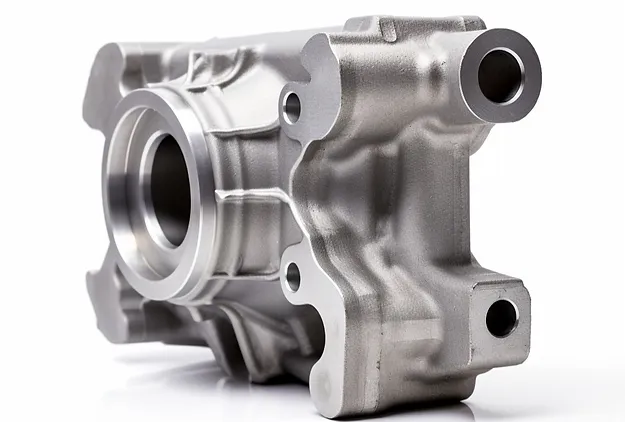
What are the Design Considerations for Rapid Prototype Casting?
When designing parts for rapid prototype casting, several factors must be considered to ensure successful casting solutions:
- Wall Thickness: Maintaining uniform wall thicknesses helps prevent casting defects.
- Draft Angles: Adding slight angles to vertical walls facilitates the removal of the prototype pattern from the mold.
- Radii and Fillets: Incorporating radii and fillets at sharp corners reduces stress concentrations and improves casting quality.
- Tolerances: Specifying realistic tolerances ensures that the prototype meets the required dimensional accuracy.
- Geometry: Intricate and complex parts are easy to produce, and can be made possible with rapid prototype casting.
- Material Selection: Consider factors like alloys, carbon steel, and other materials.
Working with experienced casting experts can help you optimize your design for manufacturability.
How Does Rapid Prototype Casting Compare to Other Prototyping Techniques?
Rapid prototype casting is just one of several prototyping techniques available. Here’s how it compares to other methods:
- 3D Printing: While 3d printing technology offers rapid prototype creation, it’s often limited in terms of material selection and mechanical properties compared to casting.
- CNC Machining: CNC machining can produce highly accurate prototype parts from solid blocks of material, but it may be less cost-effective for complex geometries. The process of machining prototypes out of bar stock is quick, but it is not always the best choice.
- Injection Molding: Injection molding is ideal for high-volume production but requires expensive tooling, making it unsuitable for low-volume prototype runs.
Rapid prototype casting offers a good balance of speed, cost, material versatility, and design flexibility, making it an excellent choice for creating functional metal prototypes.
What Industries Benefit from Rapid Prototype Casting?
Rapid prototype casting finds applications in a wide range of industries, including:
- Aerospace: Prototyping engine components, structural parts, and other critical aerospace components.
- Automotive: Prototyping engine parts, transmission components, and chassis parts.
- Medical: Creating prototype medical devices, implants, and surgical instruments.
- Industrial Equipment: Prototyping gears, housings, and other components for industrial machinery.
- Consumer Products: Prototyping various consumer products, including electronics, appliances, and sporting goods.
Any industry that requires functional metal prototypes can benefit from the advantages of rapid prototype casting.
What are the Typical Costs and Lead Times for Rapid Prototype Casting?
Costs and lead times for rapid prototype casting can vary depending on several factors:
- Complexity of the Part: More complex geometries will generally require longer lead times and higher costs.
- Material Selection: The cost of the chosen material will impact the overall cost.
- Quantity: The number of prototype parts required will also affect the price.
- Post-Processing: Any additional finishing or machining required will add to the cost and lead times.
However, compared to traditional casting methods, rapid prototype casting offers significantly reduced lead times and can be more cost-effective for low-volume production.
How to Choose the Right Rapid Prototype Casting Service?
Choosing the right rapid prototyping services provider is essential for a successful project. Consider the following factors:
- Experience and Expertise: Select a company with extensive experience in rapid prototype casting and expertise in the specific materials and processes you require.
- Technology and Equipment: Ensure that the company has state-of-the-art equipment and the necessary printing technology to meet your needs.
- Quality Control: Inquire about their quality control processes to ensure that your prototype parts meet your specifications.
- Customer Service: Choose a company that provides excellent customer service and is responsive to your needs.
- Turnaround Time: Consider the company’s ability to meet your project timelines.
How Can Senyorapid Help with Your Rapid Prototype Casting Needs?
Senyorapid is a leading provider of rapid prototyping solutions, specializing in rapid prototype casting and precision investment castings. We offer:
- Experienced Team: Our team of casting experts works closely with clients to provide tailored prototyping solutions that meet their specific needs.
- Advanced Technology: We utilize the latest in 3d printing and casting technologies to deliver high-quality, accurate prototypes.
- Wide Range of Materials: We work with a range of alloys to ensure that your prototype meets your functional requirements.
- Comprehensive Services: We offer a full range of services, from CAD design to post-processing, to streamline your prototype development process.
- Commitment to Quality: We are committed to delivering every prototype to the highest industry standards.
Our goal is to help our clients and work closely with your team to bring your designs to life quickly and efficiently. With us, you can streamline your product to market. We also believe that prototyping can enable quicker results!
FAQs
What are the benefits of rapid prototyping?
Rapid prototyping allows you to produce a proof of concept in less time. The benefits include speed and the ability to test designs.
What is investment cast?
Investment casting is a casting process that creates accurate parts.
What is rapid prototype investment?
Rapid prototype investment refers to the process of quickly creating a wax or prototype pattern.
Can I use rapid prototype casting for low-volume production?
Yes, it is a great solution for small to medium production runs.
What are the advantages of rapid prototype?
The advantages include speed, accuracy, and cost-effectiveness.
Comments
Latest Posts
Related Blogs
Senyo’s blog is focused on sharing our extensive knowledge of prototype manufacturing. Through our articles, we aim to support you in refining your product design and navigating the complexities of rapid prototyping more effectively.