Revolutionizing Automotive Product Development with Rapid Prototyping
Table of Contents
Conclusion
In the fast-paced automotive industry, staying ahead means innovating faster and smarter. Rapid prototyping automotive has emerged as a game-changing approach, transforming how auto parts and vehicles are conceived, designed, and brought to life. This article dives deep into rapid prototyping in the automotive industry, exploring its applications, benefits, and why it’s crucial for accelerating your automotive product development journey. Discover how rapid automotive prototyping is not just a trend, but a necessary evolution for automotive manufacturing in the modern era.
- Rapid prototyping is a transformative design methodology for the automotive industry, accelerating product development and innovation.
- It significantly reduces development cycle time and costs compared to traditional methods.
- Rapid prototyping enables faster design iterations, early error detection, and enhanced communication.
- A wide range of technologies of rapid prototyping are used, including 3D printing, CNC machining, and vacuum casting, for diverse automotive applications.
- Rapid prototyping is crucial for creating concept models, functional prototypes, and verifying fit and assembly of automotive parts.
- The future of rapid prototyping in automotive includes increased adoption for automotive production, advanced materials, and integration with AI and digital design tools.
Let us be your partner in driving automotive innovation. Contact us today to explore how our automotive prototyping services can help you achieve your product development goals faster and more effectively.
Explore our CNC machining services for high-precision automotive prototypes. Learn about our injection molding capabilities for automotive plastic parts. Discover the benefits of vacuum casting service for automotive component prototyping. See how sheet metal fabrication can create robust automotive prototypes. Understand the advantages of 3D printing in automotive rapid prototyping.
What is Rapid Prototyping Automotive and Why is it a Game Changer for the Automotive Industry?
Rapid prototyping, at its core, is about quickly turning ideas into tangible prototypes. Think of it as fast-forwarding the traditional product development process. Instead of spending months on initial designs and tooling, rapid prototyping technology allows automotive designers and engineers and designers to create functional prototypes and automotive prototype parts within a short period. This speed is a game changer in the automotive sector, where time to market and design iteration are critical for staying competitive.
Why is this so crucial for the automobile industry? Because the automotive industry is under constant pressure to innovate. New models, enhanced features, and improved performance are expected year after year. Rapid prototyping enables design teams to test new concepts swiftly, identify design flaws early, and make design iterations rapidly. This rapid iteration loop is not just about speed; it’s about smarter development. It’s about getting feedback on designs while they are still fluid, allowing for adjustments that can save time and resources down the line. It’s about ensuring that the final design isn’t just good, but great, and perfectly aligned with market demands and automotive markets.
How Does Rapid Prototyping Automotive Accelerate Product Development?
Imagine the traditional development process for a new automotive component. It would involve extensive computer-aided design (CAD), followed by creating tooling, then manufacturing processes for a physical prototype. This could take weeks, if not months. Rapid prototyping automotive slashes this timeline dramatically. Using techniques such as 3D printing and CNC machines, automotive prototypes can be produced in a matter of days, sometimes even hours. This acceleration is transformative for the entire development cycle.
This speed isn’t just about getting to market faster; it’s about compressing the learning curve. With rapid prototyping, automotive engineers can test multiple design variations concurrently. They can put prototype help in the hands of stakeholders and gather real-world feedback much earlier in the design process. This early feedback loop is invaluable. It allows for course correction, refinement, and optimization of the design based on actual data, not just simulations or theoretical models. Essentially, rapid prototyping reduces the risk of investing heavily in a flawed design, ensuring a more robust and market-ready final product. This streamlined approach significantly accelerate your automotive product design and overall development process.
What are the Key Applications of Rapid Prototyping in the Automotive Sector?
The applications of rapid prototyping in the automotive sector are vast and varied, touching nearly every aspect of vehicle design and automotive manufacturing. From initial concept design to final quality control, rapid prototyping plays a vital role.
Here are some key applications:
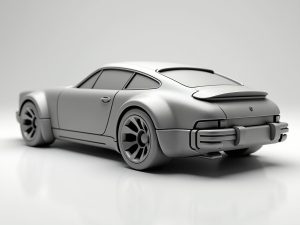
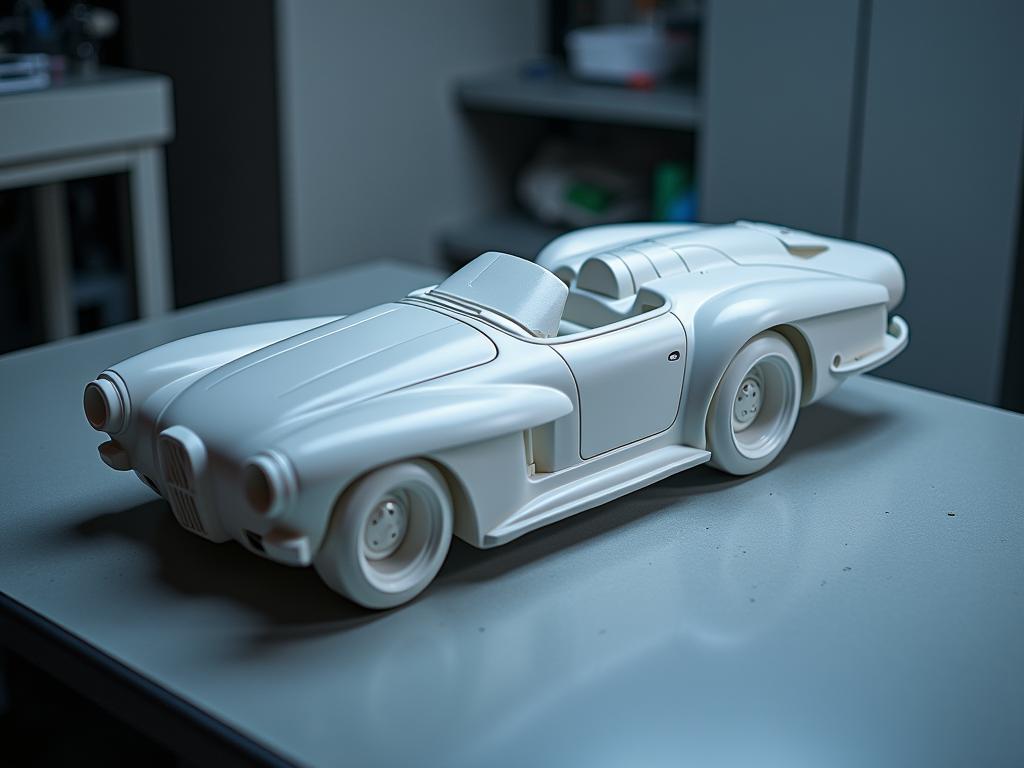
- Concept Modeling: In the early stages of design, rapid prototyping is used to create visual and tactile models of vehicles and automotive components. These models, often 3D printed, help design teams and stakeholders visualize the specific design and aesthetics, facilitating better communication and decision-making.
- Functional Testing: Functional prototypes, created through rapid prototyping techniques, are crucial for testing the performance and functionality of new automotive parts and systems. From engine components to interior elements, these prototypes help identify potential issues and validate designs under real-world conditions.
- Fit and Assembly Verification: Before moving to mass automotive production, rapid prototyping allows for the creation of prototypes and production parts to verify the fit and assembly of different automotive components. This ensures that all new parts integrate seamlessly and function as intended, minimizing assembly line issues.
- Customization and Personalization: Rapid prototyping enables the creation of custom parts and personalized features for vehicles. This is particularly relevant in luxury and niche automotive markets, where customers demand unique and tailored options.
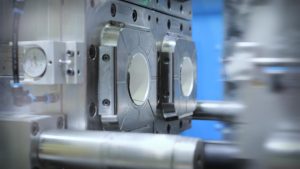
- Tooling and Fixtures: While primarily used for prototypes, rapid prototyping techniques like rapid tooling are also employed to create molds and fixtures for short-run production process or for testing injection molding parameters before investing in expensive traditional methods for mass production.
Essentially, rapid prototyping in automotive design spans the entire spectrum from aesthetics to engineering, making it an indispensable tool for automotive companies.
Which Rapid Prototyping Technologies are Primarily Used in Automotive Manufacturing?
The rapid prototyping automotive extensively, leveraging a range of technologies to meet diverse prototyping needs. These technologies allow for the creation of prototypes and production parts with varying materials, complexities, and functionalities.
Here are some of the primary technologies of rapid prototyping employed in automotive manufacturing:
| Technology | Description | Automotive Applications |
|---|---|---|
| Stereolithography (SLA) | Uses UV laser to cure liquid resin layer by layer. Known for high accuracy and smooth surface finish. | Detailed concept models, intricate interior parts, investment casting patterns. |
| Selective Laser Sintering (SLS) | Employs a laser to fuse powder materials (plastics, nylon) layer by layer. Produces strong and durable plastic parts. | Functional prototypes for interior and exterior components, durable automotive parts, complex geometries. |
| Fused Deposition Modeling (FDM) | Thermoplastic filaments are extruded and built layer by layer. Cost-effective and versatile for various plastic parts. | Larger concept models, jigs and fixtures, initial design verification, less critical functional prototypes. |
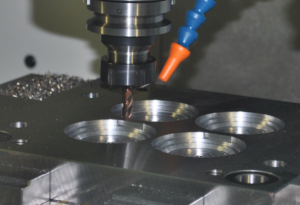
| CNC Machining | Subtractive process using CNC machines to precisely cut and shape materials (metals, plastics). High precision and material variety. | Metal parts and high-precision components, functional prototypes requiring specific material properties, molds and tools for injection molding. |
| Vacuum Casting | Uses silicone molds created from a master prototype to produce multiple plastic parts with good surface finish and material options. | Small series of functional prototypes, automotive parts for testing and validation, parts with polyurethane resins simulating various plastics. |
| Sheet Metal Fabrication | Forming metal parts from sheet metal through processes like bending, cutting, and stamping. | Body panels, brackets, chassis components, structural automotive parts, enclosures. |
These manufacturing techniques, especially like 3D printing, provide automotive manufacturers with the flexibility to choose the most suitable for rapid prototyping method based on the specific design, material requirements, and functional testing objectives.
How Does Rapid Prototyping Automotive Enhance Design and Innovation?
Rapid prototyping automotive enables a culture of innovation within automotive design teams. By drastically reducing the time and cost associated with creating prototypes, it encourages experimentation and design iterations. Automotive designers and engineers and designers are empowered to explore a wider range of ideas, knowing that they can quickly test and validate their concepts without significant delays or budget overruns. This fosters a more agile and creative design process.
The ability to create prototypes help early and often means that design errors can be identified and rectified much sooner. In traditional workflows, a design flaw might not be discovered until late in the development cycle, leading to costly and time-consuming rework. With rapid prototyping, these issues are caught in the concept design phase, allowing for iterative improvements and refinements. This not only saves resources but also leads to a higher quality parts and more innovative final products. The emphasis on rapid iteration and user feedback inherent in rapid prototyping ensures that the final design is truly user-centric and market-driven.
Why is Rapid Prototyping Superior to Traditional Methods in Automotive Parts Manufacturing?
Compared to traditional methods of automotive parts manufacturing, rapid prototyping offers several key advantages, making it a superior approach for prototypes and production parts and early-stage development.
- Speed: As the name suggests, rapid prototyping is significantly faster than traditional methods. Creating prototypes that would take weeks or months can now be done in days or even hours.
- Cost-Effectiveness: While the initial investment in rapid prototyping technology might seem substantial, it is often more cost-effective in the long run. By reducing development cycle time, minimizing errors, and enabling faster design iterations, rapid prototyping reduces overall product development costs. It avoids expensive tooling costs associated with early design phases.
- Design Flexibility: Rapid prototyping techniques, especially additive manufacturing, offer unparalleled design flexibility. They allow for the creation of parts with complex geometries and intricate features that are difficult or impossible to produce using conventional manufacturing methods. This opens up new possibilities for innovative automotive components.
- Early Error Detection: Rapid prototyping facilitates early and frequent testing, enabling the identification and correction of design errors at an early stage. This prevents costly rework and delays later in the production process.
- Enhanced Communication: Physical prototypes created through rapid prototyping serve as excellent communication tools. They allow engineers and designers, stakeholders, and even potential customers to visualize and interact with the design, leading to better understanding and feedback.
While traditional methods still have their place in mass automotive production, rapid prototyping is undeniably superior for prototyping and manufacturing and accelerating the initial stages of automotive parts and vehicle development.
What Types of Automotive Parts Can Be Prototyped Rapidly?
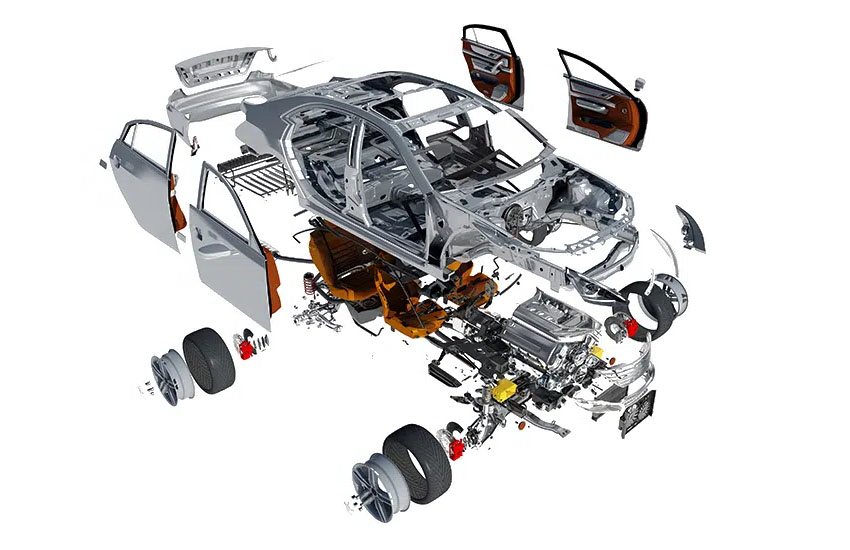
The versatility of rapid prototyping automotive techniques means that a wide range of automotive parts can be prototyped quickly and efficiently. From small interior components to larger exterior panels, rapid prototyping allows for the creation of diverse automotive parts and prototypes.
Examples of automotive parts commonly prototyped using rapid prototyping include:
- Interior Components: Dashboard elements, consoles, vents, trim pieces, seating components, steering wheel parts.
- Exterior Components: Bumpers, grilles, spoilers, lighting housings, mirror housings, body panels (smaller sections).
- Under-the-Hood Components: Intake manifolds, fluid reservoirs, sensor housings, brackets, engine components (certain non-critical parts for fit and form testing).
- Chassis and Suspension Components: Control arms (non-load bearing for fit testing), brackets, suspension links (non-load bearing for geometry verification).
- Electrical and Electronic Housings: Connectors, sensor housings, control unit enclosures.
It’s important to note that while rapid prototyping automotive is excellent for creating prototypes and production parts for testing fit, form, and function, the material properties and production volume capabilities might differ from those achievable in mass automotive production. However, for the purposes of design validation and early-stage testing, rapid prototyping is exceptionally effective for a vast array of automotive parts.
How Does Rapid Prototyping Ensure Quality in Automotive Parts Manufacturing?
While speed is a key benefit, quality control is not compromised in rapid prototyping. In fact, rapid prototyping can enhance quality control in automotive parts manufacturing through several mechanisms.
- Early Design Validation: By creating prototypes help early in the design process, potential design flaws and manufacturing issues can be identified and addressed before committing to full-scale production. This preventative approach significantly reduces the risk of quality parts problems in the final product.
- Iterative Refinement: The iterative nature of rapid prototyping allows for continuous refinement of designs based on testing and feedback. Each iteration improves the design and manufacturing process, leading to higher quality parts.
- Material Testing: Rapid prototyping can be used to test different materials and manufacturing parameters to optimize quality parts and performance. For example, various 3D printed materials or injection molding parameters can be tested to determine the best combination for a specific design.
- Functional Testing of Prototypes: Functional prototypes undergo rigorous testing to ensure they meet performance and quality control standards. This testing data informs further design iterations and manufacturing process improvements.
- Precision Manufacturing Techniques: Many rapid prototyping techniques, such as CNC machining and Stereolithography, are inherently precise, allowing for the creation of quality parts with tight tolerances and accurate dimensions.
Therefore, rapid prototyping automotive is not just about speed; it’s about building quality parts into the design and manufacturing process from the outset. It’s about using iteration and testing to ensure that the final automotive components meet the highest standards of quality control and performance.
What is the Future of Rapid Prototyping in the Automotive Industry?
The future of rapid prototyping automotive is bright and poised for even greater integration and impact. As rapid prototyping technology continues to advance, we can expect to see even faster turnaround times, improved material options, and increased precision.
Here are some trends shaping the future of rapid prototyping automotive industry:
- Increased Adoption of Additive Manufacturing for Production: Additive manufacturing, or 3D printing, is moving beyond just prototypes. We are seeing a growing trend of using 3D printers for producing end-use automotive parts, especially for low-volume production, customization, and spare parts.
- Integration with Digital Design and Simulation Tools: Seamless integration between computer-aided design (CAD), simulation software, and rapid prototyping machines will further streamline the design and manufacturing processes. This will enable even faster design iterations and optimized prototypes and production parts.
- Advanced Materials: Research and development in materials science are expanding the range of materials suitable for rapid prototyping. We can expect to see more high-performance plastics, metals, and composites being used in automotive prototyping and parts manufacturing.
- AI and Machine Learning in Prototyping: Artificial intelligence and machine learning are beginning to play a role in optimizing prototyping processes, predicting material behavior, and automating design iterations. This will further enhance the efficiency and effectiveness of rapid prototyping.
- Decentralized and On-Demand Manufacturing: Rapid prototyping technologies could facilitate more decentralized and on-demand parts manufacturing services. Automotive companies may be able to produce custom parts or replacements closer to the point of need, reducing lead times and improving supply chain efficiency.
In essence, rapid prototyping is not just a tool for today’s automotive industry; it’s a foundational technology that will drive future innovation and transform automotive production in the years to come. It is prototyping is vital for staying competitive in the evolving automotive markets.
Looking for Automotive Prototyping Services to Accelerate Your Project?
Are you ready to leverage the power of rapid automotive prototyping to accelerate your automotive product development? As specialized rapid prototyping automotive Manufacturing plants for products, we understand the unique demands of the automotive industry. We offer comprehensive automotive prototyping services, utilizing a wide range of rapid prototyping techniques and materials to bring your automotive prototype visions to life.
Whether you need concept models, functional prototypes, or parts for fit and assembly verification, our expertise and state-of-the-art facilities are here to support you. We provide prototyping services for a variety of automotive parts, from interior components to exterior panels and under-the-hood elements. Our commitment to quality parts, speed, and customer satisfaction makes us the ideal partner to accelerate your automotive innovation journey.
Contact us today to discuss your automotive prototyping needs and discover how our automotive prototyping services and parts manufacturing services can help you stay ahead in the competitive automotive sector. Let us help you transform your ideas into reality, faster and more efficiently than ever before.
FAQs
What is the typical turnaround time for automotive prototypes using rapid prototyping?
Turnaround times vary depending on the complexity of the part and the chosen rapid prototyping techniques, but generally, prototypes can be produced in a few days to a week, significantly faster than traditional methods.
Is rapid prototyping expensive for automotive parts?
While the cost depends on factors like size, complexity, and material, rapid prototyping is often more cost-effective for early-stage development and design iterations compared to traditional tooling and manufacturing, especially when considering the time savings and reduced risk of design errors.
What materials can be used for rapid prototyping automotive parts?
A wide range of materials can be used, including various plastics (ABS, PLA, Nylon, resins), metals (aluminum, steel, titanium), and composites, depending on the chosen rapid prototyping technology and the requirements of the automotive prototype.
Can rapid prototyping be used for large automotive parts like bumpers?
Yes, rapid prototyping techniques can be used for larger parts like bumpers, often through methods like large-format 3D printing or by creating prototypes in sections. However, for very large parts, traditional methods or hybrid approaches might also be considered.
Is rapid prototyping only for plastic parts in automotive?
No, rapid prototyping is not limited to plastic parts. Technologies like CNC machining, Selective Laser Melting (SLM), and sheet metal fabrication enable the rapid prototyping of metal parts and components as well.
Comments
Latest Posts
Related Blogs
Senyo’s blog is focused on sharing our extensive knowledge of prototype manufacturing. Through our articles, we aim to support you in refining your product design and navigating the complexities of rapid prototyping more effectively.