Transforming Ideas into Industrial Reality: Your Rapid Prototyping Partner in China
Table of Contents
Conclusion
Are you looking to accelerate your product development cycle and bring innovative industrial solutions to market faster? This article explores the crucial role of rapid prototype development and how partnering with a leading prototyping service in China can give you a significant competitive edge. We delve into the world of rapid prototyping China, highlighting the benefits of speed, cost-effectiveness, and high-quality results, ultimately demonstrating why choosing us as your manufacturing solutions provider is a smart strategic move.
Rapid prototyping is essential for fast and efficient product development.
China offers cost-effective and high-quality prototyping services.
CNC machining and 3D printing are key technologies in rapid prototyping.
Integrating prototyping and manufacturing solutions streamlines the process.
Low volume manufacturing bridges the gap to full-scale production.
Choosing the right manufacturing partner is crucial for success.
Ready to accelerate your industrial innovation? Contact us today to discuss your rapid prototyping needs! Explore our comprehensive cnc machining services. Learn more about our advanced injection molding capabilities. Discover the speed and flexibility of our 3d printing solutions. See how our vacuum casting expertise can benefit your project. Consider us for your low-volume manufacturing requirements. Let us be your trusted manufacturing partner.

What is a Prototype and Why is it Essential for Industrial Applications?
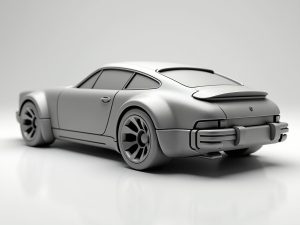
A prototype is essentially a preliminary model of a product. Think of it as a first draft, a tangible representation of an idea that allows engineers and designers to test its functionality, form, and fit. For industrial applications, the importance of a prototype cannot be overstated. It’s a critical step in the product development journey, enabling early identification of design flaws, potential manufacturing challenges, and areas for improvement before committing to full-scale production.
Creating a prototype allows for hands-on evaluation. Instead of just looking at digital designs, engineers can physically interact with the prototype, assessing its ergonomics, durability, and how it integrates with other components. This iterative process, where feedback from the prototype informs design revisions, significantly reduces the risk of costly errors down the line. In industries where precision and reliability are paramount, like the medical device sector or automotive manufacturing, thorough prototype testing is non-negotiable.
Why Choose a Rapid Prototype Approach for Your Industrial Designs?
In today’s fast-paced industrial landscape, speed to market is often a key differentiator. This is where the rapid prototype approach offers a significant advantage. Unlike traditional prototyping methods that can take weeks or even months, rapid prototype techniques significantly compress the timeframe for creating functional models. This accelerated pace allows for quicker design iterations, faster testing cycles, and ultimately, a faster route to bringing your new product to market.
The benefits of rapid prototype extend beyond just speed. It also allows for more flexibility in the design process. Engineers can afford to explore more innovative ideas and test them quickly without incurring excessive costs or delays. Rapid prototype often utilizes advanced manufacturing technologies like 3D printing and CNC machine processes, enabling the creation of complex geometries and intricate designs with relative ease. This agility is particularly valuable in industries where innovation and staying ahead of the curve are critical for success.
Exploring CNC Machine Capabilities in Rapid Prototyping
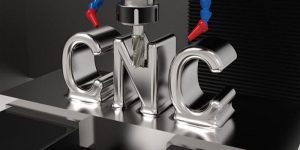
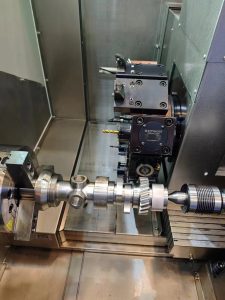
The CNC machine, or Computer Numerical Control machine, is a cornerstone of modern rapid prototype processes. These machines utilize computer-programmed instructions to precisely control cutting tools, enabling the creation of highly accurate and complex parts from various materials, including metals and plastics. The versatility of the CNC machine makes it indispensable for creating functional prototypes that closely resemble the final production part.
Whether it’s CNC milling intricate features or include CNC machining for precise dimensions, these machines offer a level of accuracy and repeatability that is difficult to achieve with traditional methods. This precision is particularly crucial when developing prototypes with tight tolerances for industrial applications where exact fit and function are essential. The ability to work with production-grade materials on a CNC machine also allows for more realistic testing of the prototype‘s performance and durability.
What Manufacturing Solutions are Offered Through Rapid Prototyping?
Rapid prototyping is not just about creating a single model; it often serves as a gateway to a broader range of manufacturing solutions. By leveraging the technologies and processes involved in rapid prototyping, companies can efficiently transition from initial concept to functional prototype, and then seamlessly scale up to low-volume manufacturing or even full production.
For instance, the tooling created for prototype injection molding can often be adapted for low volume production runs, saving both time and cost. Similarly, the expertise gained in sheet metal fabrication during the prototyping phase can be directly applied to the manufacturing of final products. This integrated approach, where prototyping and manufacturing solutions are considered holistically, streamlines the entire product development lifecycle and accelerates time to market.
How Does Injection Molding Fit into the Rapid Prototyping Process?
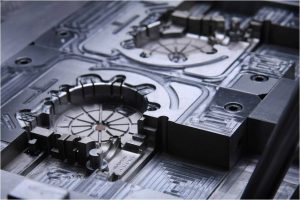
Injection molding is a powerful manufacturing process that involves injecting molten material into a mold cavity. While often associated with mass production, injection molding also plays a significant role in rapid prototype development. Creating prototype injection molding tools, even for smaller runs, allows for the production of parts with excellent surface finish, tight tolerances, and material properties that closely mimic the final product.
While the initial cost of creating injection molding tools might be higher than some other rapid prototyping methods, the ability to produce multiple, high-quality prototypes quickly makes it a cost-effective solution for many industrial applications. Furthermore, the experience gained in designing and testing prototypes through injection molding directly translates to the efficient design of tools for large-scale production.
When is Vacuum Casting the Ideal Choice for Rapid Prototyping?
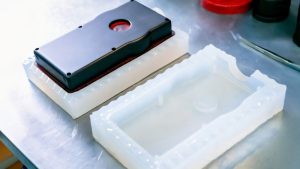
Vacuum casting is a rapid prototyping method particularly well-suited for creating high-quality prototypes from polyurethane and other casting resins. It involves pouring liquid resin into a silicone mold under vacuum, which eliminates air bubbles and ensures a smooth, accurate finish.
Vacuum casting is often chosen when a small number of high-fidelity prototypes are needed, especially when the desired material properties are similar to those of the final production material. It offers a cost-effective alternative to injection molding for low volume runs of complex parts. The excellent surface finish achievable through vacuum casting makes it ideal for prototypes that require a realistic aesthetic.
How Does 3D Printing Enhance the Speed and Flexibility of Prototyping?
3D printing, also known as additive manufacturing, has revolutionized the field of rapid prototype. Its ability to create complex three-dimensional objects layer by layer from a digital design offers unparalleled speed and flexibility. 3D printing allows for the rapid creation of intricate geometries and customized designs without the need for traditional tooling, significantly reducing lead time and cost.
The versatility of 3D printing extends to the wide range of materials it can utilize, including plastics, resins, and even metals. This makes it a valuable tool for creating prototypes for various industrial applications, from concept models to functional parts for testing.
Why is Sheet Metal Fabrication a Valuable Technique for Prototyping?
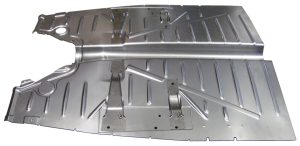
Sheet metal fabrication is a versatile and cost-effective method for creating prototypes, particularly for enclosures, brackets, and panels. It involves cutting, bending, and assembling thin sheets of metal into desired shapes. The speed and efficiency of sheet metal fabrication make it an attractive option for rapid prototype development.
Furthermore, sheet metal fabrication allows for the use of various metals, including steel, aluminum, and stainless steel, providing flexibility in material selection based on the specific requirements of the prototype. The relative ease of modifying sheet metal prototypes also makes it a valuable technique for iterative design and testing.
What Manufacturing Capabilities Should You Look for in a Prototyping Partner?
When selecting a partner for your rapid prototype needs, it’s essential to assess their manufacturing capabilities. A comprehensive provider should offer a range of technologies and services to support your project from concept to production. This might include CNC machining, injection molding, 3D printing, vacuum casting, and sheet metal fabrication.
Beyond the specific technologies, consider their capacity for low volume manufacturing and their ability to scale up to larger production runs if needed. Also, inquire about their range of finishing services, such as painting, powder coating, and surface treatment, to ensure your prototypes meet your aesthetic and functional requirements. Having a partner with diverse manufacturing capabilities provides flexibility and ensures they can adapt to your evolving needs.
What are the Advantages of Using a Rapid Prototyping Service in China?
Partnering with a rapid prototyping service in China offers several compelling advantages, particularly in terms of cost-effectiveness and speed. China has become a global hub for manufacturing, boasting a skilled workforce and advanced manufacturing technologies. This allows for competitive pricing without compromising on the quality of the prototypes. In fact, working with a china-based rapid prototyping service can often be significantly cheaper than in europe or North America.
Furthermore, many rapid prototyping companies in China operate with a strong focus on efficiency and quick turnaround times, aligning perfectly with the goals of rapid manufacturing. This combination of cost savings and speed can significantly accelerate your product development cycle and reduce your overall expenses. Many companies, like ours located in Shenzhen, offer a strategic advantage.
Senyo Rapid: Your Trusted Partner for Rapid Prototyping in China
As rapid prototyping china manufacturing plants specialists, we at Senyo Rapid are dedicated to bringing your innovative industrial product ideas a reality through manufacturing. We offer a comprehensive suite of rapid prototype and rapid manufacturing services, utilizing cutting-edge technologies to accelerate your product development cycle. Our international team of engineers works closely with you to make your product ideas tangible.
Located in Suzhou, China, we provide access to efficient and cost-effective manufacturing solutions without compromising on quality. With years of rapid prototyping experience, we have the expertise and infrastructure to handle projects of any scale and complexity. We strictly implement iso quality standards and have received iso certifications, ensuring the highest level of quality for your prototypes and parts.
FAQs
What is the typical lead time for receiving a rapid prototype?
Lead times vary depending on the complexity and chosen manufacturing process, but we strive for rapid turnaround, often within days or a few weeks.
What types of industrial applications do you specialize in for rapid prototyping?
We cater to a wide range of industrial sectors including automotive, aerospace, medical devices, robotics, and consumer electronics.
Do you offer material selection guidance for prototypes?
Absolutely, our experienced team of engineers can provide expert advice on selecting the most appropriate materials for your specific application.
What quality control measures are in place for rapid prototyping?
We adhere to strict quality standards and implement thorough inspection processes to ensure the accuracy and integrity of every prototype.
Can you assist with the design and engineering of a prototype?
Yes, our team includes experienced designers and engineers who can provide support throughout the design and development process.
Comments
Latest Posts
Related Blogs
Senyo’s blog is focused on sharing our extensive knowledge of prototype manufacturing. Through our articles, we aim to support you in refining your product design and navigating the complexities of rapid prototyping more effectively.