Rapid Sheet Metal Prototyping: Fast, Precise, and Ready for Your Industrial Needs
Table of Contents
Conclusion
Are you searching for a way to quickly turn your sheet metal design ideas into tangible prototypes? This article delves into the world of rapid sheet metal prototyping, exploring the methods, advantages, and how it can benefit your industrial applications. We’ll show you how fast, cost-effective, and high-quality prototypes can be created, allowing you to validate your designs before committing to full-scale production. If you’re involved in industrial product development, this is your roadmap to a streamlined prototyping journey.
- Rapid sheet metal prototyping speeds up your product development cycle.
- It offers a cost-effective alternative to traditional methods.
- It allows for real-world functional testing of your designs.
- It provides highly accurate and durable prototype parts.
- We offer a wide range of materials, processes, and finishing options.
- Our goal is to help you seamlessly transition from prototype to production.
Ready to start your sheet metal prototyping journey? Don’t hesitate to contact us today and let us help you with your prototyping needs. Whether you’re looking for medical device prototyping or you need automotive prototyping we can help. We also excel in robot prototyping and industrial prototyping. Consider exploring our cnc machining services for even more options. We can help with injection molding too.

What is Rapid Sheet Metal Prototyping and Why is it Important?
Rapid sheet metal prototyping is a manufacturing process that allows engineers and designers to quickly create functional prototypes using sheet metal. It’s a crucial step in the product development cycle, enabling you to validate designs, test functionality, and make necessary adjustments before moving to final production. Instead of relying solely on computer models, you get a physical representation of your sheet metal component, allowing for real-world evaluation and identification of design flaws early on. This reduces lead time, saves money and helps to produce quality parts. We are experts in rapid sheet metal fabrication, and understand the importance of this stage.
This method leverages advanced manufacturing technologies and processes, making it much faster than traditional methods. We have seen clients who have been able to save precious time, allowing them to launch their products quicker. It’s about speeding up the development cycle, improving product design, and ultimately delivering better products to the market faster. It’s a game-changer for industrial applications, allowing businesses to stay competitive.
Why Choose Sheet Metal for Your Prototype?
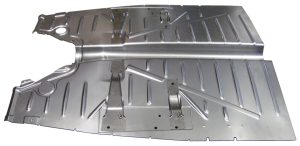
Rapid Sheet metal Prototyping is an incredibly versatile material that’s widely used in many industries for its strength, durability, and formability. Unlike other materials, sheet metal is available in a variety of sheet thicknesses and can be easily cut, bent, and welded into a variety of shapes and forms. It’s a fantastic option for creating sturdy, durable parts, especially when you need to fabricate things that are both lightweight and strong. Whether it is for a simple bracket or a complex enclosure, the flexibility of sheet metal makes it an ideal choice for prototypes.
Furthermore, sheet metal offers a cost-effective solution for prototyping, especially when compared to machined parts or injection molding, especially in low volumes. This is particularly valuable in the early design phases, where changes may be frequent. Using sheet metal allows for quick iterations without the high costs of complex tooling. Our customers often appreciate how we use precision sheet metal to deliver high-quality prototypes at affordable prices. We are your partners in sheet metal manufacturing.
What are the Key Benefits of Rapid Sheet Metal Prototyping?
There are significant advantages to adopting rapid sheet metal prototyping. Firstly, speed is a major factor. The rapid prototyping process allows you to get a physical prototype in a fraction of the time it would take using conventional methods. This quick turn capability is crucial when you need to test ideas or meet tight deadlines. This results in a much shorter turnaround time.
Secondly, it’s cost-effective. Creating prototypes with rapid tooling methods reduces the need for expensive molds or elaborate machining processes. Instead of spending a fortune on tools, you can use rapid sheet metal options to produce prototypes efficiently. This reduces your initial expenditure and makes the prototyping process more accessible, especially for startups and smaller companies. We provide accurate sheet metal quotes to ensure there are no surprises.
Thirdly, rapid sheet metal prototyping enables you to test the functional aspects of your designs more quickly and effectively. You can assess how the prototype behaves in real-world conditions, identify any weaknesses, and adjust accordingly. We offer design and engineering support to help you optimize your designs for manufacturing.
How Does the Rapid Sheet Metal Prototyping Process Work?
The rapid prototyping process for sheet metal typically involves several key steps. It starts with your 3D CAD design, which we then convert into a format that can be used by our machines. These designs are usually created to incorporate the idea of design for manufacturability. Then we cut the piece of sheet metal using techniques like metal laser cutting or CNC machining.
Next comes the bending, forming, and joining of the sheet metal parts. We utilize methods like metal bending, welding and other specialized techniques to fabricate the sheet metal component into its desired shape. The final step often involves surface finishing, such as plating or powder coating, to enhance the prototype’s appearance and durability. Our experience allows us to offer you quality parts that meet your specific needs.
This process is fast, accurate, and can be adjusted to accommodate different needs. We will always provide you with accurate sheet metal quote for your project. Our advanced manufacturing services ensure that you get your prototype parts on time
What Metal Material Can Be Used for Rapid Sheet Metal Prototypes?
When it comes to sheet metal, you have a wide variety of materials to choose from. These include stainless steel, aluminum, copper, brass, and carbon steel, among others. Aluminum is a popular choice because it’s lightweight, strong, and corrosion-resistant, often utilized for functional prototypes. Stainless steel is a good option if your prototype needs to be resistant to corrosion and wear. The selection depends on your specific requirements, such as strength, weight, durability, and environmental factors.
We understand that each project is unique, and offer a consultation to help you choose the right metal material for your project. Our team works closely with you to ensure your material selections align with your intended application and performance needs. This ensures you get the most suitable material for your specific application. We work with a range of metals and plastics.
What Machine and Fabrication Processes Are Used?
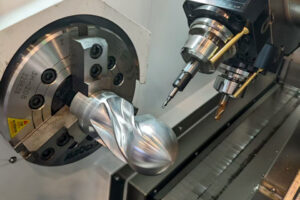
The fabrication processes we use include metal cutting with lasers and water jets, forming and bending on press brakes, welding, and surface finishing options. We also leverage cnc machining for precision work on metal sheet. Our equipment allows us to manufacture parts for many different industries.
Our machines are state-of-the-art, ensuring the highest level of precision and efficiency. We carefully select the right manufacturing techniques based on your project’s design requirements, material choice, and quantity needs. Our process is a carefully selected mix of different technologies that helps us create quality prototypes.
What Level of Tolerance Can Be Achieved With Sheet Metal Prototypes?
Precision is key in prototyping, and we are able to achieve tight tolerance levels in our sheet metal prototypes. The level of accuracy depends on the specific fabrication processes and the type of machine used. We can work with very tight tolerances, ensuring that your prototypes accurately reflect the design intent and are fully functional.
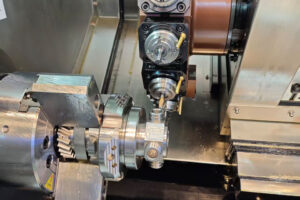
Our CNC machining processes and laser cutting equipment enables us to create precision parts that are crucial for ensuring optimal functionality. We can also provide design and engineering support to help you optimize your design for best manufacturing accuracy.
How Can You Get a Quote for Your Sheet Metal Project?
Getting a sheet metal quote from us is easy. You simply need to provide us with your design files, material specifications, and quantity requirements. Our team will review your project and provide you with a comprehensive quote with a cost breakdown for each step. We want our clients to have a transparent and clear pricing structure. We also offer an on-line quotation tool to help you get a better understanding of the costs.
We strive to offer cost-effective solutions, helping you to keep your prototyping expenses in check. We understand that time is money, so we work to provide you with a prompt and accurate estimate. Don’t hesitate to get a quote today.
How Does 3D Printing Compare to Sheet Metal Prototyping?
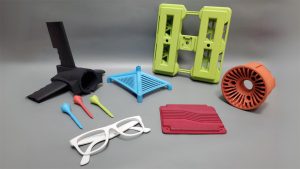
While 3D printing is a useful additive manufacturing technique for creating prototypes, sheet metal offers unique benefits, particularly for industrial applications. 3D printing is great for complex geometries and smaller parts, but sheet metal excels when you need a strong, durable prototype with good structural integrity. Sheet metal is also often more cost-effective for larger parts or those requiring specific material properties.
For prototypes that need to mimic a production environment, sheet metal fabrication often provides a more realistic test case. While 3D printing excels at creating complex shapes, sheet metal is the better choice if you need functional prototypes that accurately represent the final product. We offer the best of both worlds, where we can combine 3d printing technologies with sheet metal techniques. We can help you to choose the best option for your prototyping needs.
What are Common Sheet Metal FAQs?
Here are some frequently asked questions about sheet metal prototyping:
What is the typical turnaround time for a sheet metal prototype? The turnaround time depends on the complexity of the project, but we aim to provide quick turnaround solutions. We work to have your prototypes in as fast as a few days.
Can you handle low-volume production runs after prototyping? Yes, we offer services to transition from prototype to production, allowing us to provide you with a low-volume production of parts.
What type of surface finishes can you offer for sheet metal prototypes? We offer a variety of finishing options, including powder coating, plating, and various other treatments, that will meet your specific needs.
Can you work with thin metal gauges? Yes, we have the ability to fabricate thin metal materials into sheet metal parts.
How do I prepare my design files for sheet metal prototyping? We typically accept CAD files in formats such as STEP, IGES, or DXF. We also offer design and engineering support to assist you with file preparation.
What are some common applications of sheet metal prototypes? Sheet metal prototypes are used in many applications, like automotive parts, industrial enclosures, brackets, and consumer goods. We have worked on a sheet metal project in all of these areas.
Latest Posts
Related Blogs
Senyo’s blog is focused on sharing our extensive knowledge of prototype manufacturing. Through our articles, we aim to support you in refining your product design and navigating the complexities of rapid prototyping more effectively.