Precision Sheet Metal for Auto Body Repair: Your Source for Quality Panels and Materials
Table of Contents
Are you in the auto repair industry, need high-quality sheet metal for auto body repair work? This article will explore the various types of sheet metal available, focusing on their applications in auto body repair. We will delve into the details of different gauges, materials like mild steel and galvanized steel, and how to choose the right metal for your specific repair needs. Whether you’re tackling a small rust repair or a complete body panel replacement, understanding your material options is crucial for delivering top-notch results.

Why is the Right Sheet Metal Crucial for Auto Body Repair?
Choosing the correct sheet metal is critical for successful auto body repair. The type of metal, its gauge, and its composition directly impact the durability, strength, and longevity of your repairs. Using the wrong metal can lead to premature failure, rust, and safety issues.
Whether you’re working on a vintage car or a modern vehicle, using high-quality sheet metal ensures that your repairs are structurally sound and will seamlessly blend with the original body panels. Understanding these factors is essential for any professional in the auto body repair field. We are dedicated to providing you with the highest quality sheet metal that helps your work last longer.
What is Gauge and Why Does it Matter in Auto Body Work?
Gauge refers to the thickness of the sheet metal. Lower gauge numbers indicate thicker metal, while higher gauge numbers indicate thinner metal. In auto body repair, choosing the correct gauge is crucial for maintaining the structural integrity of the vehicle. The typical gauge steel ranges from 16 to 22.
Using too thin of a gauge can result in weak and flimsy repairs, while using too thick of a gauge can be unnecessarily heavy and difficult to form. Common gauges used in auto body repair include 18 gauge and 20 gauge, but the ideal gauge will depend on the specific application. Always choose the gauge that matches or exceeds the original metal thickness.
What are the Benefits of Using Mild Steel for Auto Body Repairs?
Mild steel is a common choice for auto body repair due to its excellent weldability, formability, and strength. It is a low carbon steel, which means it’s easy to weld and shape without compromising its structural integrity. Mild steel sheet is also relatively affordable, making it a popular option for various auto repair projects.
Mild steel is versatile and can be used for various applications, including patch panels, floor pans, and fender replacements. When properly treated with rust inhibitors and primers, it can provide a long-lasting repair. We offer high-quality mild steel sheet metal designed to meet the demands of auto body repair.
How Does Galvanized Sheet Metal Prevent Rust and Corrosion?
Galvanized sheet metal is another popular choice for auto body repair, particularly in areas prone to moisture and rust. The galvanization process involves coating steel sheet with a layer of zinc, which acts as a sacrificial barrier. When exposed to moisture, the zinc corrodes preferentially to the steel, preventing rust from forming on the base metal.
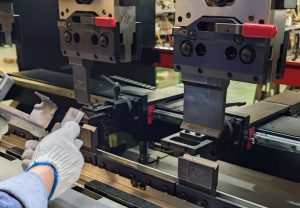
Galvanized sheet metal is especially suitable for areas such as fenders, rocker panels, and other areas that are vulnerable to water and salt exposure. Although slightly more expensive than mild steel, the added corrosion protection provided by galvanized sheet metal makes it a valuable investment in the longevity of your repairs. For more specific applications, explore our range of metal bending and deep draw metal stamping services.
What is Cold Roll Steel and How Is It Used in Auto Body Work?
Cold roll steel, also known as cold rolled flat steel, is produced through a rolling process at room temperature, which gives it a smooth surface and precise dimensions. This process also increases the steel’s strength and hardness compared to hot-rolled steel. Cold roll steel is often preferred for auto body repair because of its clean, uniform finish that is well-suited for painting and welding.
When forming auto sheet metal, you may find that using cold roll steel allows you to produce straighter, more accurate panels, with cleaner and easier weld points. It is an excellent choice for areas requiring high precision and a smooth finish, such as door skins, roof panels, and fenders.
What Are Common Uses for Sheet Metal in Auto Body Repair?
Sheet metal is used in a variety of ways in auto body repair, and it’s crucial for many projects. Common applications include:
- Patch panels: Creating custom panels to repair rust holes and other damage.
- Fender replacements: Replacing damaged fenders with new sheet metal cut to the correct shape.
- Floor pans: Fabricating replacement panels for rusted or damaged floor pans.
- Rocker panel repairs: Creating new rocker panels to address rust and other damage.
- Custom body parts: Creating unique body panels for project cars or custom builds.
These are just a few of the many ways sheet metal is used in auto body repair. Whether you’re doing a minor rust repair or a complete restoration, high-quality sheet metal is essential for achieving professional results. This metal for auto body is critical to maintain the integrity of vehicles of all types.
How to Properly Weld Sheet Metal for Automotive Repairs?
Welding is a critical skill in auto body repair, and welding sheet metal requires specific techniques. Because of the thin nature of sheet metal, it’s important to use a low-heat welding process to avoid warping or burning through the metal. MIG (Metal Inert Gas) welding is a popular choice due to its ease of use and control.
Proper preparation is essential. Clean the surfaces thoroughly before welding, and make sure your welding equipment is set to the right parameters for the specific gauge of steel sheet you’re working with. We recommend practicing on scrap metal before attempting to weld on the vehicle itself. You should always take your time to ensure proper penetration and a strong bond. For more complex work, our metal bending services can help create custom shapes for auto body parts.
How to Choose the Right Gauge for Your Auto Body Repair?
Selecting the correct gauge for your auto body repair is important for ensuring both structural integrity and ease of work. Here are some general guidelines:
- 16 gauge: Often used for structural components like frame rails and floor pans where high strength is necessary.
- 18 gauge: Commonly used for body panels like doors, fenders, and rocker panels. A good balance between strength and formability.
- 19 gauge: Is great for use in patch work and creating repair panels.
- 20 gauge: A popular choice for patch panels and other areas where you need a balance between strength and formability, also often used in panel shaping and forming.
- 22 gauge: Suitable for non-structural areas and inner panels where less strength is required.
- 24 gauge: For use where the thickness is less essential, commonly used for interior components and small patches.
Keep in mind that these are general guidelines, and you should consult the vehicle manufacturer’s specifications to ensure that you use the correct gauge for each specific application. If unsure, it’s always best to choose a slightly thicker gauge for added strength.
What Tools are Needed for Sheet Metal Auto Body Repairs?
Having the right tools is essential for successful sheet metal auto body repairs. Some of the most important tools you will need include:
- Welding equipment: A MIG welder is preferred for most auto body applications.
- Cutting tools: Shears, nibblers, and grinders for cutting and shaping sheet metal.
- Forming tools: Hammers, dollies, and metal shapers for forming and contouring metal.
- Measuring tools: Calipers, rulers, and templates for accurate measurements.
- Safety gear: Welding helmet, gloves, and protective clothing.
Investing in high-quality tools is crucial for achieving professional results and ensuring the safety of yourself and your team. Having the right tools will ensure that you will be able to efficiently repair auto body sheet metal.
Where Can You Find Quality Sheet Metal for Auto Body Work?
Finding a reliable supplier of high-quality sheet metal is essential for any auto body repair business. We are a trusted source for all your sheet metal needs, providing a wide selection of materials and gauges to meet the diverse requirements of the automotive industry. We provide a full line of steel sheet for auto body.
We understand the importance of consistent quality, competitive pricing, and reliable delivery. We strive to be your partner in providing the best materials for your body repairs, ensuring that you have access to the materials you need to deliver superior results. You can be confident that you will be able to get the best materials at the best price for your needs.
How Can Our Sheet Metal Improve Your Auto Body Shop?
By choosing our sheet metal for your auto body shop, you are investing in quality, consistency, and reliability. Our commitment to providing premium metal will allow you to confidently complete your body repairs. We offer a full line of products to assist you in your work, and are a trusted supplier to many auto repair shops.
Our goal is to be more than just a supplier – we strive to be a valuable partner in your business. Whether you are undertaking a large restoration project or performing routine maintenance, you can depend on us to provide you with quality sheet metal that meets your every need. We hope to become your primary source for all things auto body.
FAQs
What is the best gauge for patch panels?
20 gauge and 19 gauge are often preferred for patch panels because of their balance between formability and strength.
Can I weld galvanized sheet metal?
Yes, but it requires special precautions due to the zinc coating. Proper ventilation and respiratory protection are a must.
Do you offer custom cutting services?
Yes, we can provide custom cutting services to meet your specific project needs. Please contact us with details of your needs.
What should I consider when choosing a sheet metal supplier?
Look for a supplier with a reputation for quality, reliability, and competitive pricing.
How can I prevent rust on my sheet metal repairs?
Proper surface preparation, application of rust inhibitors, and painting are all important for rust prevention.
Summary
- Choosing the right sheet metal is essential for successful auto body repair.
- Gauge refers to the thickness of the metal and impacts the strength and formability of your repairs.
- Mild steel is a versatile choice for many auto body applications due to its weldability and formability.
- Galvanized steel provides added rust protection and is ideal for areas prone to moisture.
- Proper welding techniques and the right tools are crucial for achieving high-quality results.
- Working with a reliable supplier ensures you have access to top-quality materials and expert guidance.
By understanding the nuances of sheet metal and selecting the right materials for your auto body repairs, you can ensure that your work is not only durable and structurally sound but also provides long lasting results. We invite you to explore our products and services, and we look forward to becoming your trusted supplier. For more specialized services, consider our offerings in metal bending and metal stamping. We also provide support for various types of prototyping, including automotive prototyping and industrial prototyping.
Comments
Latest Posts
Related Blogs
Senyo’s blog is focused on sharing our extensive knowledge of prototype manufacturing. Through our articles, we aim to support you in refining your product design and navigating the complexities of rapid prototyping more effectively.