Stamped Aluminum Sheet Metal: Precision and Versatility
Table of Contents
Are you exploring the possibilities of stamped aluminum sheet metal for your industrial manufacturing needs? This complete guide dives deep into the world of aluminum metal stamping, uncovering its benefits, processes, and applications. Whether you’re familiar with metal stamping or new to the concept of creating custom aluminum components, understanding the nuances of aluminum stamping is crucial. Discover why stamped aluminum is the ideal choice for countless industries, offering a blend of strength, lightweight properties, and excellent corrosion resistance.
What is Stamped Aluminum Sheet Metal and Why is it a Preferred Metal Forming Process?
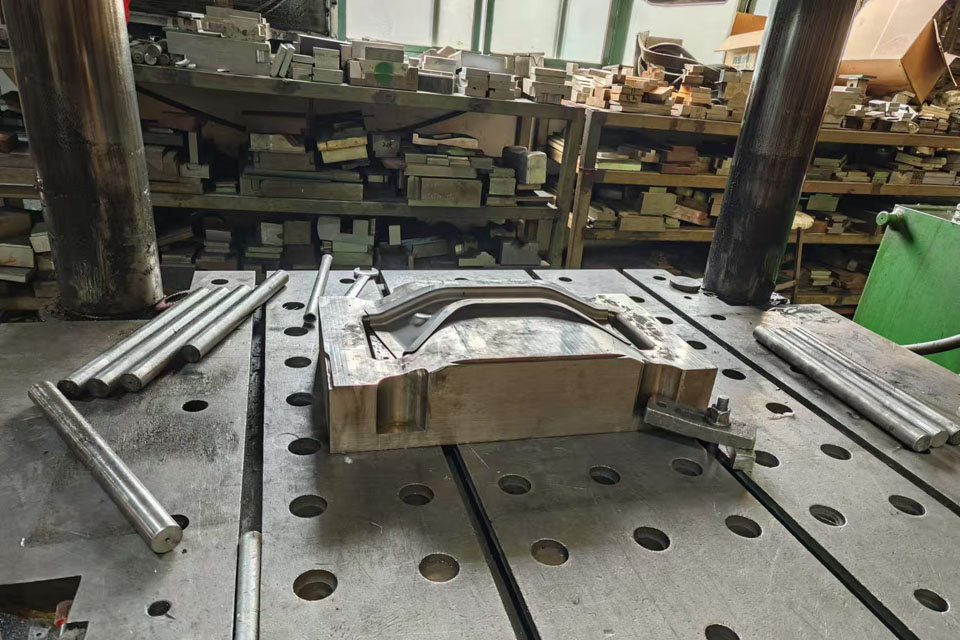
Stamped Aluminum Sheet Metal is a manufacturing process that transforms flat aluminum sheet into desired shapes using a stamping press. This process involves placing aluminum material, either in coil or sheet form, into a stamping press, where a tool and die surface act on the metal to form it into the intended shape. It’s a high-speed, cost-effective method for producing large quantities of identical aluminum parts and stamped aluminum parts. Compared to other metal forming and fabricating methods, aluminum stamping offers significant advantages, especially when dealing with high-volume production runs.
The popularity of aluminum stamping stems from its ability to create complex geometries with high precision and repeatability. This makes it a go-to solution for industries requiring consistent, high-quality metal components. The process is versatile, capable of producing everything from simple washers to intricate electronic housings. For manufacturing plants for products, aluminum stamping provides a reliable way to achieve both efficiency and quality in their output. The flexibility of formation throughout product design is a significant advantage.
The Advantages of Using Aluminum for Stamped Metal Components
Choosing aluminum for stamped metal components offers a multitude of benefits. Firstly, aluminum is remarkably lightweight, approximately one-third the weight of steel. This high strength-to-weight ratio makes it ideal for applications where weight reduction is critical, such as in the automotive and aerospace industries. Despite its light weight, aluminum exhibits excellent tensile strength, especially when alloyed with other metals.
Secondly, aluminum boasts exceptional corrosion resistance. When exposed to air, aluminum forms an oxide layer that naturally protects the metal from further oxidation, making additional protective coatings often unnecessary. This inherent corrosion resistance is a significant advantage over materials like carbon steel or mild steel, which are prone to rust. Furthermore, aluminum is highly recyclable, contributing to sustainable manufacturing practices. Its thermal and electrical conductivity also make it suitable for applications like heat sinks and electronic housings. These properties make it ideal for a wide range of industrial applications.
Understanding Different Types of Aluminum Alloys Used in Stamping
The term “aluminum” encompasses a variety of aluminum grades, each with unique properties tailored for specific applications. When it comes to aluminum stamping, selecting the right alloy is crucial for achieving the desired performance and manufacturability. Common aluminum alloys used in stamping operations include the 3000, 5000, and 6000 series.
- 3000 Series (e.g., 3003): Known for excellent workability, corrosion resistance, and weldability. Commonly used for general-purpose sheet metal work and applications where high strength is not paramount.
- 5000 Series (e.g., 5052): Offers higher strength than the 3000 series, excellent corrosion resistance, and good weldability. Often used in marine and transportation applications.
- 6000 Series (e.g., 6061): A heat-treatable alloy with good strength, corrosion resistance, and machinability. Frequently used in aerospace, automotive, and structural applications.
The choice of alloy depends on factors such as the required tensile strength, formability, corrosion resistance, and cost. Understanding the characteristics of these types of aluminum ensures the selection of the most appropriate material for your aluminum stamping project.
The Aluminum Stamping Process: From Blank to Finished Part
The aluminum stamping process transforms a flat blank of aluminum into a finished aluminum stamped parts through a series of carefully controlled steps. It typically begins with tooling design, where engineers create the punch and die sets that will shape the metal. The aluminum sheet is then fed into the stamping press.
The press applies immense pressure, forcing the aluminum between the punch and die. This pressure causes the aluminum to shear, bend, or form into the desired shape. Several stamping operations might be required to achieve the final geometry, including blanking (cutting the initial shape), piercing (creating holes), bending, and forming. Lubricants are often used to reduce friction and ensure a smooth stamping process. The finished stamped aluminum components are then inspected for quality and dimensional accuracy.
Essential Tooling and Dies Used in Stamped Aluminum Sheet Metal Operations
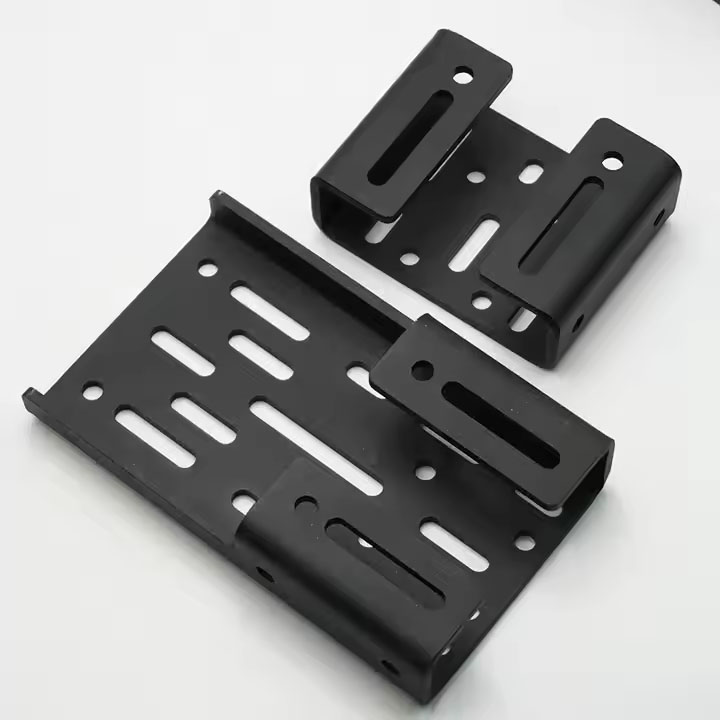
The heart of the aluminum stamping process lies in the tooling and dies. These custom-designed components are responsible for shaping the aluminum into the desired form. A die set typically consists of a punch (the male component) and a die (the female component), precisely machined to create the specific aluminum part. The materials used for tooling are typically hardened steel or carbide to withstand the high pressures and repetitive nature of the stamping process.
Different types of dies are used for various stamping operations. Blanking dies cut the initial blank from the aluminum sheet. Piercing dies create holes. Bending dies form angles and curves. Drawing dies are used for deep drawing operations, creating cup-like shapes. Progressive dies perform multiple operations at different stations within the same press stroke, significantly increasing production efficiency. The precision and durability of the tooling are critical for producing high-quality quality stamped aluminum parts consistently.
Exploring Various Aluminum Stamping Operations and Techniques
Aluminum stamping encompasses a variety of specific techniques, each tailored to create different features and shapes. Common aluminum stamping operations include:
- Blanking: Cutting the initial outline of the part from the aluminum sheet.
- Piercing: Creating holes or perforations in the aluminum.
- Bending: Forming the aluminum at a specific angle.
- Drawing: Stretching the aluminum into a recessed shape. Deep drawing is used for more significant depths.
- Coining: Compressing the aluminum to create specific features or dimensions with high tolerance.
- Embossing: Creating raised or sunken designs on the aluminum surface.
- Flanging: Forming a collar or lip around a hole or edge.
These aluminum stamping operations can be combined in various sequences to produce complex stamped aluminum components. Progressive die stamping, for instance, integrates multiple operations within a single tool, allowing for efficient, high-volume production of intricate aluminum stamped parts. The versatility of these techniques makes aluminum stamping suitable for creating a wide array of metal components.
Why is Stamped Aluminum Sheet Metal Ideal for the Automotive and Aerospace Industries?
The automotive industry and aerospace sectors heavily rely on stamped aluminum due to its unique combination of properties. In automotive manufacturing, the lightweight nature of aluminum contributes to improved fuel efficiency and reduced emissions. Stamped aluminum parts are used extensively in body panels, chassis components, and interior structures. The excellent corrosion resistance of aluminum also enhances the longevity of vehicles.
Similarly, the aerospace industry benefits significantly from the high strength-to-weight ratio of aluminum. Stamped aluminum components are critical in aircraft construction, contributing to fuel savings and improved performance. While some higher-stress applications require other materials, aluminum remains a staple for many structural and non-structural parts used in aircraft. The ability to create complex parts with precise dimensions through aluminum stamping makes it invaluable in both these demanding industries.
Achieving Precision and Tolerance in Your Stamped Aluminum Sheet Metal Parts
Maintaining tight tolerances and achieving high precision are critical in aluminum stamping, especially for applications in industries like electronics and medical devices. Precision in aluminum stamping relies on several factors, including the accuracy of the tooling, the control of the stamping press, and the properties of the aluminum alloy being used. High-quality dies, meticulously machined, are essential for producing stamped aluminum parts with consistent dimensions.
Modern stamping presses offer precise control over the stamping force and speed, ensuring accurate forming of the aluminum. Selecting an aluminum alloy with good dimensional stability also contributes to achieving tight tolerances. Furthermore, regular maintenance of the tooling and press equipment is crucial for maintaining precision over long production runs. The ability of aluminum stamping to deliver precision metal parts consistently makes it a preferred method for critical applications.
Surface Finishing Options for Stamped Aluminum Sheet Metal.
While aluminum naturally resists corrosion, various surface finishing options can further enhance the properties and aesthetics of stamped aluminum sheet metal. Common finishing processes include:
- Anodizing: An electrochemical process that increases the thickness of the natural oxide coating on the aluminum surface, providing enhanced corrosion resistance and wear resistance. Anodizing can also add color to the aluminum.
- Powder Coating: Applying a decorative and protective finish in a wide range of colors. Powder coating provides a durable and even coating.
- Painting: Applying liquid paint for color and protection.
- Polishing: Creating a smooth, reflective surface.
- Brushing: Creating a textured surface finish.
The choice of surface finish depends on the application requirements, desired aesthetics, and budget. These finishing processes not only improve the appearance of stamped aluminum components but also can enhance their durability and resistance to environmental factors.
Partnering with a Stamped Aluminum Sheet Metal Manufacturer: What to Look For?
Choosing the right manufacturer for your stamped aluminum sheet metal needs is crucial for ensuring the success of your project. Look for a company with extensive experience in aluminum stamping and a proven track record of delivering high-quality stamped aluminum parts. Their capabilities should include tooling design and fabrication, a range of stamping operations, and various finishing services.
Assess their equipment and technology. Do they have modern stamping presses capable of meeting your production volume and precision requirements? Inquire about their quality control processes and certifications. A reputable manufacturer will have robust quality management systems in place. Communication and customer service are also important factors. Choose a partner who is responsive, collaborative, and willing to work with you throughout the product design and manufacturing process. Consider their experience with different types of metal, including aluminum.
FAQs
What are the primary advantages of aluminum metal stamping?
The main benefits include high-volume production capability, cost effectiveness, excellent part consistency, and the ability to create complex parts.
Which aluminum alloy is best for high-strength applications?
Aluminum alloys in the 6000 series, such as 6061, are often preferred for high-strength applications due to their heat-treatable properties.
What is the typical tolerance achievable in aluminum stamping?
Achievable tolerances depend on the part design and stamping process, but precision aluminum stamping can achieve very tight tolerances, often within +/- 0.005 inches or better.
Is aluminum stamping a cost effective manufacturing method?
Yes, for high-volume production, aluminum stamping is generally a very cost effective method due to its speed and efficiency.
What industries commonly use stamped aluminum parts?
Industries include automotive, aerospace, electronics, appliances, medical devices, and many others.
Comments
Latest Posts
Related Blogs
Senyo’s blog is focused on sharing our extensive knowledge of prototype manufacturing. Through our articles, we aim to support you in refining your product design and navigating the complexities of rapid prototyping more effectively.