Prototype Development: Your Step-by-Step Guide to a Successful Product Prototype
Table of Contents
Conclusion
Building a prototype is a crucial step in product development, helping you visualize your product idea, test its functionality, and gather valuable feedback before investing in mass production. This article provides a step-by-step guide to the prototype development process, covering everything from the type of prototype to best practices, ensuring you create a successful product prototype that meets your goals. Understanding the prototype may be necessary for your new product is essential for bringing your product idea to life. This guide is worth reading because it demystifies the product development process and equips you with the knowledge to make informed decisions.
- A prototype is an essential tool for visualizing, testing, and refining your product idea.
- Choose the type of prototype that aligns with your product‘s complexity and development stage.
- Follow a systematic prototype development process, including design, testing, and iteration.
- Utilize prototyping tools to accelerate the process and reduce costs.
- Conduct thorough market research and gather customer feedback throughout the prototyping process.
- Consider working with a development company for prototyping services.
- Be open to changes and refine your design based on feedback.
Contact us today to learn more about our prototyping services and how we can help you create a product that is designed for success. Senyorapid is here to help you at every stage of your product development process, from the first prototype to the final version. Contact us today to start building your future!

What is a Prototype, and Why is Prototype Development Important?
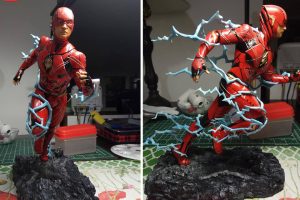
A product prototype is an early sample, model, or release of a product built to test a concept or process. It’s a tangible way to visualize and evaluate a product idea before significant resources are committed to its development. Think of it as a model of your product – whether it’s a physical object, a software product, or a service. Prototype development is crucial because it allows you to:
- Test feasibility: Determine if your product idea is technically achievable.
- Refine the design: Identify and correct design flaws early in the product development process.
- Gather user feedback: Understand how your target audience interacts with the product and identify areas for improvement.
- Reduce risk: Minimize the risk of investing in a product that doesn’t meet market needs.
- Attract investment: Showcase your product idea to potential investors.
Without proper prototype testing, a product is likely to fail. The product prototype serves as a stepping stone between concept and production, and prototype development is one of the most vital steps in the design process.
What Type of Prototype is Right for Your Product?
There are several type of prototypes, each serving a specific purpose. Choosing the right one depends on your product‘s complexity, development stage, and goals. Here’s a brief overview:
| Type of Prototype | Description | Purpose |
|---|---|---|
| Sketch/Paper Prototype | Simple drawings or mockups. | Quickly visualize and test basic concepts and product idea early in the design process. Often utilized for user interface design. |
| Low-Fidelity Prototype | Basic physical model or digital representation with limited functionality. | Explore core features and product design, gather initial user feedback, and identify usability issues. |
| High-Fidelity Prototype | More detailed and functional model of the product that closely resembles the final product. | Test advanced features, refine the user experience, and prepare for mass production. Can be a working prototype. |
| Functional Prototype | A fully operational prototype that mimics the functionality of the final product, even if the appearance differs. | Evaluate the performance, reliability, and technical feasibility of the product, as well as make the product will work. |
| Minimum Viable Product (MVP) | A version of your product with just enough features to satisfy early customers and provide feedback for future product development. | Launch a basic version of your product to the market, gather user feedback, and iterate on the design. |
The choice of prototype affects how the product will look like and will improve the product. You may start with a sketch and move towards a high-fidelity prototype for user experience testing. The prototype comes in many different types.
How Does the Prototype Development Process Work?
The product development process typically involves several stages:
- Conceptualization: Defining your product idea, product vision, and target audience.
- Research and Analysis: Conducting market research to validate your product idea and understand the competitive landscape.
- Design: Creating product design specifications, including sketches, diagrams, and 3D models.
- Prototyping: Building a prototype based on your design specifications. This often involves several iterations.
- Testing: Gathering customer feedback through user testing to identify areas for improvement.
- Refine: Using feedback to refine the prototype and improve the product.
- Production: Preparing for mass production based on the final design.
The process of prototyping is very important and sometimes involves the use of prototyping tools. A strong prototype helps bring ideas to life.
What Are the Key Steps in Building Your Prototype?
Building your prototype involves several crucial steps:
- Define Your Goals: Clearly identify the purpose of your prototype. What do you want to learn from it? What specific aspects of the product do you want to test?
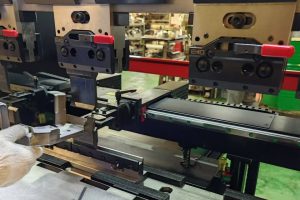
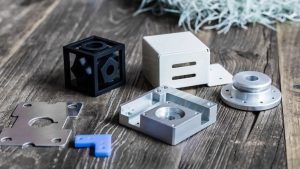
- Choose the Right Tools: Select the prototyping tools and technologies that align with your product‘s complexity and budget. This might include CAD software, 3D printing, CNC machining, or rapid prototyping services.
- Create a Model: Develop a physical model or digital representation of your product. Start with a low-fidelity prototype to test basic concepts and gradually increase the level of detail as you refine the design.
- Test and Iterate: Test your prototype with your target audience, gather customer feedback, and use it to refine your design. This iteration process is critical to ensuring your product meets user needs.
- Document Everything: Keep detailed records of your prototyping process, including design changes, test results, and user feedback. This will help you track your progress, identify trends, and justify your design decisions.
The ability to refine your prototype will improve the product and create a great product.

How Can You Use Prototyping Tools to Your Advantage?
Various prototyping tools can streamline the prototype development process:
- 3D Printing: Allows you to create physical prototypes quickly and cost-effectively using various materials, such as plastic and metal. Senyorapid offers 3D printing services.
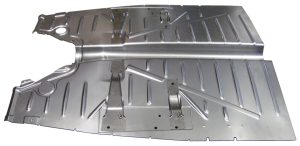
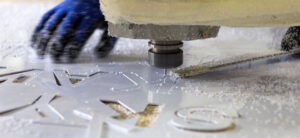
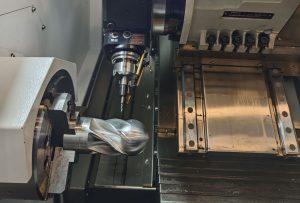
- CNC Machining: Used to produce precise and complex prototype parts from various materials, including metal, plastic, and wood.
- Rapid Prototyping: A set of techniques that accelerate the prototype development process, enabling you to create multiple iterations quickly.
- CAD Software: Essential for creating 2D and 3D models of your product.
- Prototyping Software: Used for software development, including creating user interfaces and simulating product functionality.
Selecting the right prototyping tools can significantly save time and resources.
How Does Market Research Help in the Product Development Process?
Market research plays a crucial role in product prototype development:
- Validates your product idea: Helps you determine if there is a demand for your product.
- Identifies your target audience: Enables you to understand your target audience‘s needs, preferences, and pain points.
- Analyzes the competition: Provides insights into the strengths and weaknesses of existing products.
- Informs your design: Helps you make design decisions that align with market needs.
- Guides your marketing strategy: Provides valuable information for developing an effective marketing plan.
Conducting thorough market research is a key step in creating a successful product prototype.
How to Get Valuable Customer Feedback During the Testing Phase?
Gathering valuable customer feedback is critical during the testing phase:
- User Testing: Observe how your target audience interacts with the prototype.
- Surveys and Questionnaires: Collect quantitative data on user satisfaction and preferences.
- Focus Groups: Facilitate discussions with potential users to gather qualitative feedback.
- Interviews: Conduct one-on-one interviews to gain in-depth insights into user experiences.
- A/B Testing: Test different prototype versions to compare user preferences.
Use this feedback to refine your prototype and ensure it meets user needs. The best prototype comes after a lot of iteration.
What Are the Best Practices for Successful Product Prototype?
Follow these best practices to create a successful product prototype:
- Start Simple: Begin with a low-fidelity prototype to test basic concepts.
- Focus on Core Functionality: Prioritize the features that are essential to your product‘s value proposition.
- Iterate Regularly: Build multiple prototypes and refine them based on customer feedback.
- Test Early and Often: Conduct user testing throughout the prototyping process.
- Document Everything: Keep detailed records of your design changes, test results, and user feedback.
- Be Open to Change: Be willing to make adjustments to your design based on user feedback and test results.
Following these tips will help make your prototype amazing!
How Can a Development Company Help with Prototyping Services?
A development company specializing in prototyping services can provide valuable support:
- Expertise: Access experienced engineers and designers with specialized knowledge.
- Advanced Technologies: Utilize advanced prototyping tools, such as 3D printing, CNC machining, and rapid prototyping.
- Faster Turnaround: Accelerate the prototype development process, saving time and resources.
- Cost-Effectiveness: Reduce the cost of prototype development through efficient processes and economies of scale.
- Design and Engineering: Benefit from comprehensive design and engineering support, from conceptualization to final design.
Consider using a development company like Senyorapid for your prototyping services to streamline the process and improve your chances of success. Don’t be afraid to outsource your needs to a development company.
What Are the Benefits of a Working Prototype?
A working prototype offers several benefits:
- Improved User Experience: Helps you understand how users will interact with your product and identify areas for improvement.
- Reduced Design Errors: Allows you to identify and correct design errors early in the product development process.
- Increased Investor Confidence: Demonstrates the viability of your product and increases investor confidence.
- Faster Time to Market: Enables you to bring your product to market more quickly.
- Better Understanding of Manufacturing Processes: Gives you insights into the manufacturing processes required for mass production.
A good prototype is worth its weight in gold!
FAQs
What is the difference between a low-fidelity and a high-fidelity prototype?
- A low-fidelity prototype is a basic representation of your product, while a high-fidelity prototype is more detailed and closely resembles the final product.
How long does it take to create a prototype?
- The time required to create a prototype varies depending on the complexity of your product and the prototyping tools used. Some prototypes can be created in days or weeks.
What is the cost of prototype development?
- The cost of prototype development depends on the product‘s complexity, the materials used, and the prototyping services required.
How important is user testing?
- User testing is crucial for gathering customer feedback and ensuring your product meets user needs.
How many iterations should I expect during the prototyping process?
- You should expect to go through multiple iterations during the prototyping process to refine your design and improve the product.
Comments
Latest Posts
Related Blogs
Senyo’s blog is focused on sharing our extensive knowledge of prototype manufacturing. Through our articles, we aim to support you in refining your product design and navigating the complexities of rapid prototyping more effectively.