Thermoforming vs Injection Molding: Differences in Plastic
Table of Contents
Conclusion
In conclusion, thermoforming vs injection molding have their unique advantages and applications. By understanding the differences between these two methods, manufacturers can make informed decisions that align with their production goals.
- Thermoforming is cost-effective for low to medium production runs and offers flexibility in design.
- Injection Molding is ideal for high-volume production with intricate details and high precision.

What is Thermoforming?
Thermoforming is a plastic manufacturing process that involves heating a plastic sheet until it becomes pliable and then shaping it to a mold. This method is particularly effective for creating large, thin-walled parts, making it popular in the packaging industry.
Thermoforming can produce various products, from trays and containers to automotive parts.One of the key benefits of thermoforming is its ability to create complex shapes with minimal waste. By using a sheet of plastic that is heated and formed, manufacturers can achieve intricate designs that might be challenging or impossible with other manufacturing methods. Additionally, thermoforming is relatively fast and cost-effective, especially for low to medium production runs.
What is Injection Molding?
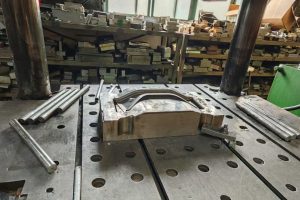
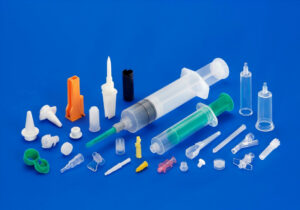
Injection molding is a widely used manufacturing process where molten plastic is injected into a mold cavity under high pressure. Once the plastic cools and solidifies, the mold is opened, and the finished part is ejected. This method is ideal for producing high volumes of identical plastic parts, making it a favorite in industries such as automotive, consumer goods, and medical devices.
The injection molding process allows for the creation of highly detailed and precise parts, with the ability to incorporate multiple colors and materials in a single design. Its efficiency and scalability make injection molding a go-to choice for manufacturers looking to mass-produce plastic products with consistent quality.
How Do Thermoforming vs Injection Molding Work?
Both thermoforming and injection molding are essential processes in plastic manufacturing, but they operate quite differently.
- Thermoforming Process:
- Heating: A plastic sheet is heated until it becomes soft and pliable.
- Forming: The heated sheet is formed over a mold using vacuum or pressure.
- Cooling: The formed part is cooled and solidified before being removed from the mold.
- Injection Molding Process:
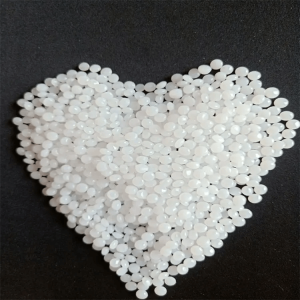
- Melting: Plastic pellets are heated and melted in a barrel.
- Injection: The molten plastic is injected into a mold under high pressure.
- Cooling: The plastic cools and solidifies, after which the mold opens to release the finished part.
What Are the Key Differences Between Thermoforming vs Injection Molding?
Understanding the differences between thermoforming and injection molding is crucial for selecting the right manufacturing process for your project. Here are some key distinctions:
- Material Usage: Thermoforming typically uses thicker sheets of plastic, while injection molding uses plastic pellets.
- Production Speed: Injection molding is generally faster for high-volume production due to its ability to produce multiple parts in a single cycle.
- Complexity of Design: Injection molding allows for more intricate designs and tighter tolerances compared to thermoforming.
- Cost Efficiency: Thermoforming can be more cost-effective for low-volume production, while injection molding is more economical for large-scale manufacturing.

What Are the Advantages of Thermoforming?
Thermoforming offers several advantages, including:
- Lower Tooling Costs: The molds used in thermoforming are less expensive to produce than those for injection molding, making it a cost-effective choice for small to medium production runs.
- Material Versatility: A wide range of plastic materials can be used in thermoforming, allowing for flexibility in design.
- Quick Turnaround: The thermoforming process is relatively fast, enabling quicker product development and time to market.
These benefits make thermoforming an attractive option for many manufacturers.
What Are the Advantages of Injection Molding?
Injection molding boasts numerous advantages, such as:
- High Volume Production: This method is ideal for producing large quantities of identical parts quickly and efficiently.
- Precision and Detail: Injection molding allows for intricate designs and tight tolerances, making it suitable for complex components.
- Material Options: A variety of plastic materials, including engineering-grade plastics, can be used to meet specific performance requirements.
These advantages position injection molding as a leading choice for mass production.
What Are the Cost Implications of Thermoforming vs Injection Molding?
When considering the cost of thermoforming vs injection molding, several factors come into play:
- Initial Investment: Injection molding requires a higher initial investment due to the cost of mold creation. However, this cost can be offset by the high production rates for large volumes.
- Material Costs: Thermoforming may use less expensive materials, but the cost per part can increase for larger quantities due to longer production times.
- Production Volume: For low to medium production volumes, thermoforming may be more cost-effective, while injection molding becomes more economical at higher volumes.
Which Process is Better for Your Project?
Choosing between thermoforming and injection molding depends on various factors, including:
- Production Volume: If you need a large number of parts, injection molding is likely the better choice. For smaller runs, thermoforming may be more suitable.
- Design Complexity: If your project requires intricate designs and tight tolerances, injection molding is the way to go. For simpler shapes, thermoforming can be effective.
- Budget Constraints: Consider your budget for tooling and production costs. Thermoforming may offer a more affordable option for initial runs.
Common Applications for Thermoformed vs Injection Molding Plastics
Both thermoformed and injection molded plastics have a wide range of applications:
- Thermoformed Plastics: Commonly used in packaging, trays, clamshells, and automotive parts.
- Injection Molded Plastics: Frequently found in consumer products, automotive components, medical devices, and electronic housings.
FAQs
What materials can be used in thermoforming?
Thermoforming can utilize a variety of plastic materials, including PVC, PET, and polystyrene, depending on the application.
Is injection molding suitable for low-volume production?
While injection molding excels in high-volume production, it can be used for low-volume runs but may not be cost-effective due to higher tooling costs.
How long does it take to produce parts using thermoforming?
The production time for thermoforming depends on the complexity of the part, but it is generally faster for smaller runs compared to injection molding.
Can thermoformed parts be recycled?
Yes, many thermoformed plastics can be recycled, although the recyclability depends on the type of plastic and local recycling capabilities.
What is the typical lead time for injection molding projects?
Lead times for injection molding can vary, but they generally range from a few weeks to several months, depending on the complexity and volume of the order.
Comments
Latest Posts
Related Blogs
Senyo’s blog is focused on sharing our extensive knowledge of prototype manufacturing. Through our articles, we aim to support you in refining your product design and navigating the complexities of rapid prototyping more effectively.