Turning Service: Precision and Efficiency for Custom Parts
Table of Contents
Conclusion
Turning service is a vital process in the manufacturing world, particularly in CNC turning. This technique involves the precise shaping of materials, typically metals and plastics, into cylindrical forms using a CNC turning machine. This article will explore the intricacies of turning services, including their applications, advantages, and the technology behind them. Whether you’re a manufacturer, engineer, or hobbyist, understanding CNC turning can significantly enhance your production capabilities and product quality.
- Turning service is essential for producing high-precision cylindrical parts using CNC technology.
- CNC turning offers numerous advantages, including precision, efficiency, and flexibility.
- Understanding the CNC turning process and its applications can enhance your manufacturing capabilities.
- Rapid CNC turning can significantly reduce lead times, making it ideal for prototyping and small production runs.
By understanding the intricacies of turning services, you can leverage CNC technology to improve your manufacturing processes and produce high-quality components efficiently.
What is Turning Service?
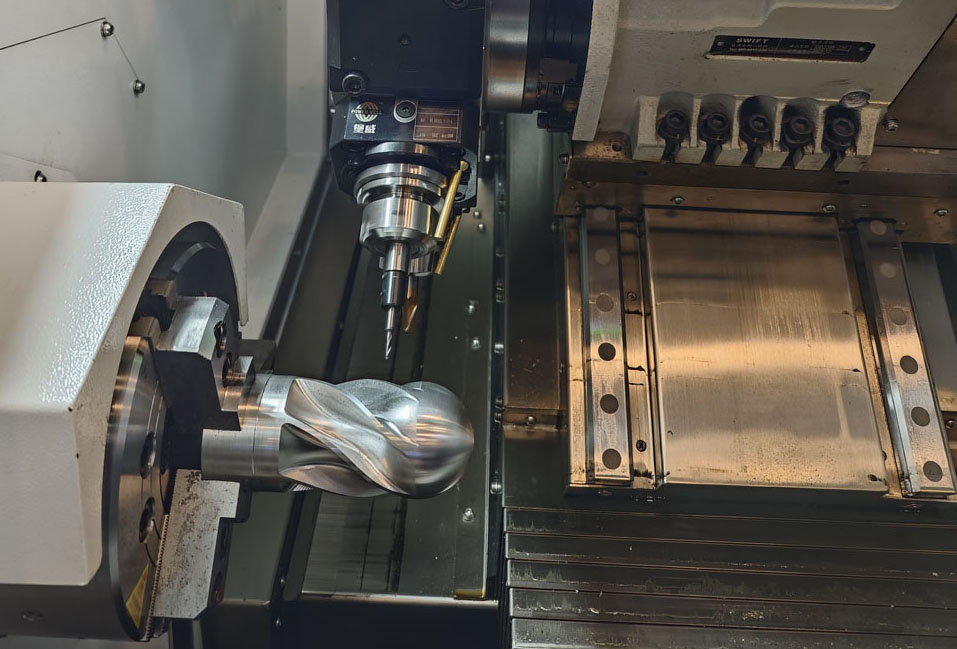
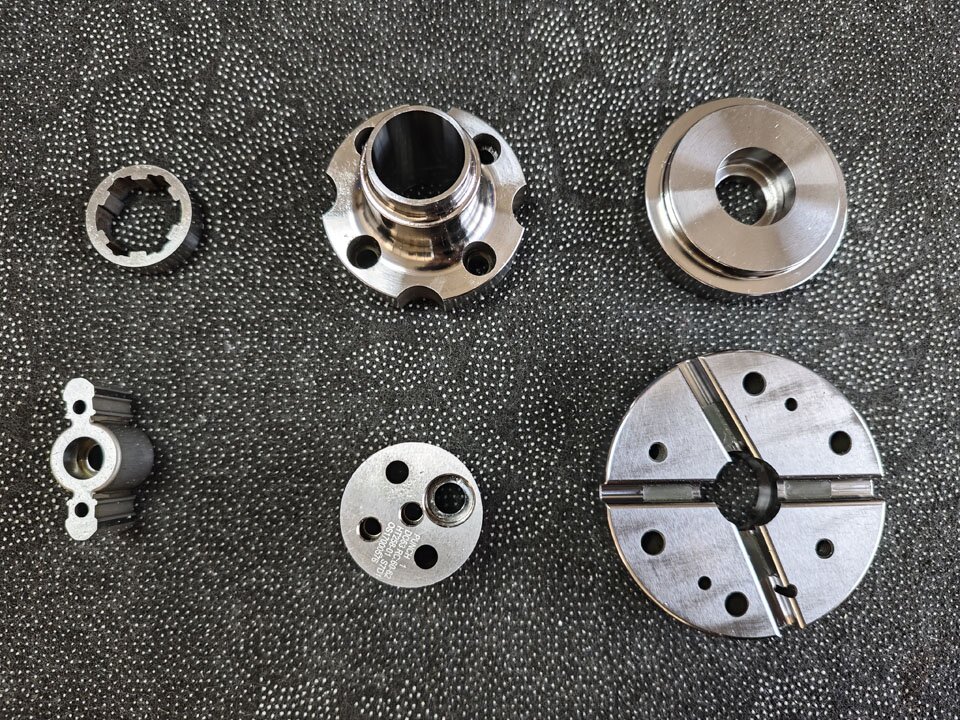
Turning service refers to the machining process where a rotating workpiece is shaped by a cutting tool. This process is primarily used to create cylindrical parts, such as shafts, bushings, and fittings. The turning service can be performed on various materials, including metals and plastics, making it a versatile option for manufacturers.
In a typical turning operation, the workpiece is mounted on a lathe, which rotates it at high speeds. A cutting tool is then applied to the material, removing excess material to achieve the desired shape and dimensions. This process is essential in producing high-precision components for various industries.
How Does CNC Turning Work?
CNC turning utilizes computer numerical control technology to automate the turning process. This means that the movements of the cutting tool and the workpiece are controlled by a computer program, allowing for precise and repeatable machining.
The process begins with a digital design created in CAD (Computer-Aided Design) software. This design is then converted into a format that the CNC machine can understand. The CNC turning machine follows the programmed instructions to cut the material accurately, ensuring that each part produced meets the specified tolerances.
What Are the Advantages of CNC Turning Services?
CNC turning services offer numerous advantages over traditional machining methods:
- Precision: CNC turning machines can achieve tight tolerances, ensuring that each part is manufactured to exact specifications.
- Efficiency: The automation of the turning process reduces production time, allowing for faster turnaround on projects.
- Flexibility: CNC turning can accommodate a wide range of materials and part designs, making it suitable for various applications.
- Consistency: Automated processes ensure that each part produced is consistent in quality and dimensions, reducing the risk of defects.
What Types of Materials Can Be Used in CNC Turning?
CNC turning can be performed on a variety of materials, including:
- Metals: Common metals used in CNC turning include aluminum, brass, stainless steel, and carbon steel. Each metal has unique properties that can affect the turning process and the final product.
- Plastics: Materials such as acrylic, nylon, and polycarbonate can also be turned using CNC machines, making it possible to create lightweight and durable components.
The choice of material will depend on the specific requirements of the project, including strength, weight, and cost considerations.
How to Choose the Right CNC Turning Machine?
Selecting the right CNC turning machine involves several factors:
- Size and Capacity: Consider the maximum diameter and length of the parts you need to produce. Ensure the machine can accommodate these dimensions.
- Type of Control: CNC machines come with different control systems. Choose one that fits your operational needs and expertise.
- Budget: Determine your budget for the CNC machine, including maintenance and operational costs.
By carefully evaluating these factors, you can select a CNC turning machine that meets your production needs.
What is the CNC Turning Process Like?
The CNC turning process involves several key steps:
- Setup: The workpiece is securely mounted on the lathe, and the appropriate cutting tool is selected.
- Programming: The CNC machine is programmed with the specifications for the part, including dimensions and tolerances.
- Machining: The machine begins the turning process, rotating the workpiece while the cutting tool removes material.
- Finishing: After the initial machining, additional processes may be performed to achieve the desired surface finish and tolerances.
This systematic approach ensures that each part is produced efficiently and accurately.
What Are Common Applications of CNC Turning?
CNC turning is widely used across various industries, including:
- Automotive: Components such as axles, gears, and brackets are often produced using CNC turning.
- Aerospace: High-precision parts for aircraft and spacecraft require the accuracy that CNC turning provides.
- Medical: CNC turning is used to manufacture surgical instruments and implants, where precision is critical.
These applications highlight the versatility and importance of CNC turning in modern manufacturing.
How Does CNC Turning Compare to Other Machining Processes?
CNC turning differs from other machining processes, such as milling and drilling, in several ways:
- Process: Turning involves rotating the workpiece, while milling involves moving the cutting tool against a stationary workpiece.
- Applications: Turning is ideal for cylindrical parts, whereas milling is better suited for flat surfaces and complex shapes.
- Speed: CNC turning can often produce parts faster than milling due to the continuous rotation of the workpiece.
Understanding these differences can help manufacturers choose the right machining process for their specific needs.
What Are the Tolerances and Surface Finishes Achievable with CNC Turning?
CNC turning can achieve impressive tolerances and surface finishes:
- Tolerances: CNC turning can produce parts with tolerances as tight as ±0.001 inches, depending on the machine and tooling used.
- Surface Finish: The surface finish of turned parts can vary based on the material and cutting parameters, with finishes ranging from rough to mirror-like.
These capabilities make CNC turning an excellent choice for applications requiring high precision and quality.
How Can Rapid CNC Turning Benefit Your Projects?
Rapid CNC turning is a service that allows for quick turnaround times, often as fast as one day. This is particularly beneficial for:
- Prototyping: Rapid CNC turning enables manufacturers to quickly produce prototypes for testing and validation.
- Short Runs: For projects requiring small quantities of parts, rapid CNC turning can reduce lead times and costs.
By leveraging rapid CNC turning, businesses can accelerate their product development cycles and respond more quickly to market demands.
FAQs
What types of parts can be produced using CNC turning?
CNC turning can produce a wide range of parts, including shafts, bushings, fittings, and any cylindrical components.
How long does the CNC turning process take?
The duration of the CNC turning process depends on the complexity of the part and the machine’s capabilities, but rapid CNC turning can produce parts in as little as one day.
What materials are best suited for CNC turning?
Common materials for CNC turning include metals like aluminum and steel, as well as plastics such as acrylic and nylon.
What is the difference between CNC turning and traditional turning?
CNC vs. Traditional Lathe Turning:
- Precision: CNC machines offer much higher precision than manual lathes, making them suitable for parts with tight tolerances.
- Automation: CNC turning is automated, meaning that once the program is set, the machine can run without manual intervention, improving efficiency.
- Complexity: CNC turning machines can handle complex geometries and multi-axis operations that would be difficult or impossible to achieve with traditional lathes.
- Repeatability: CNC machines can replicate the same cut with the same precision, ideal for high-volume production runs.
Comments
Latest Posts
Related Blogs
Senyo’s blog is focused on sharing our extensive knowledge of prototype manufacturing. Through our articles, we aim to support you in refining your product design and navigating the complexities of rapid prototyping more effectively.