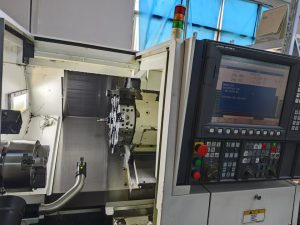
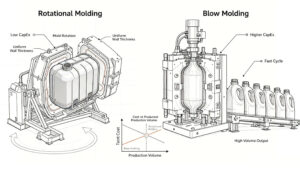
Швидке прототипування може бути вигідною методологією
Зміст
Висновок
Rapid prototyping may be a beneficial method which is frequently utilized in engineering, software development, and instructional design. The main idea behind such a process is to give the team members an opportunity to quickly create and iterate on a prototype thus resulting to a higher level of creativity, more effective problem-solving and, finally, faster innovation. The present article discusses the benefits of rapid prototyping, its use in various sectors, and the reasons why it is indispensable for any design project. People who read this article will be informed about the different ways in which rapid prototyping can be employed to make the process more efficient, to raise the standard of a product and to lower the expenses. Thus, designers, engineers, and educators cannot afford to miss this article.
Що таке швидке прототипування?
Rapid prototyping is a design process that is centered around the idea of fast production of a scaled-down version or a prototype of a product or service. The primary goal of this technique is to make the designers and engineers able to see the concept and the working of the product visually before a big production is made. Through the use of different technologies such as 3D printing, computer-aided design (CAD), and software simulations, the teams can produce models that are not only physical but also in a way the user interaction is possible.
The point of rapid prototyping is the iteration cycle. The idea is to spend less time and money on one single design, thus, the teams will be able to come up with numerous versions, test them, and get their concepts refined by real user feedback. This method is mainly useful in sectors such as software development where fast iterations can result in better user experience and functionality.
Чому швидке прототипування вважається переважною методологією?
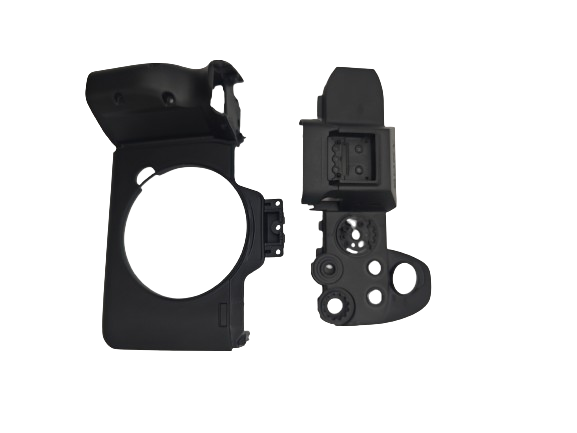
Швидке прототипування може бути вигідною методологією з кількох причин. По-перше, вона дозволяє проводити швидші ітерації, даючи змогу командам тестувати та вдосконалювати свої ідеї в режимі реального часу. Ця швидкість має вирішальне значення в сучасному конкурентному середовищі, де час виходу на ринок може створити або зруйнувати продукт.По-друге, це сприяє співпраці між міжфункціональними командами. Дизайнери, інженери та зацікавлені сторони можуть зібратися разом, щоб оцінити прототипи та внести свої пропозиції, гарантуючи, що кінцевий продукт відповідатиме потребам та очікуванням користувачів. Таке середовище співпраці сприяє інноваціям та творчості, що призводить до більш ефективних рішень.Нарешті, швидке прототипування - це економічно ефективна стратегія. Виявивши недоліки дизайну на ранній стадії процесу, організації можуть уникнути дорогих змін на більш пізніх етапах розробки. Така ефективність не лише економить гроші, але й зменшує ризик затримки проекту, що в кінцевому підсумку сприяє більш плавному процесу розробки.
Чим швидке прототипування відрізняється від традиційних методів прототипування?
Usually traditional prototyping methods depict a longer and more sequential way of handling the process. On the other hand, rapid prototyping is less bound to the fixed requirements as it enables continuous iterations and feedback. Whereas traditional methods might invest up to many months in perfecting one single prototype, rapid prototyping is based on the idea that more iterations result in better outcomes.
Technology is the main point where the two methods differ. Traditional prototyping is generally done manually, while rapid prototyping is done with the help of the advanced tools and software which make it possible to give quick adjustments and modifications. Such an inclusion of technology not only opens up for a more flexible designing process, but also is in line with the fast development of the modern projects.
Чи може швидке прототипування вирішити типові проблеми дизайну?
Подолання перешкод у дизайні
Designers are, in many cases, confronted with problems like vague requirements, modifications of the specifications, and the reception of the users’ feedback. Rapid prototyping is a tool that solves these problems by offering fast rounds of work and changes. Such flexibility helps to match the end product with the users’ needs and the objectives of the project without any difficulty.
Успішні кейси
For instance, a technology company might employ rapid prototyping to quickly bring to life a new idea for a mobile app. In this way, the company opened the door for user input by producing a prototype. As a result, they fine-tuned the app features based on users’ needs to a greater extent. The company thus shortened the time-to-market while at the same time the chances of app success were raised substantially as a result of the iterative process.
Як швидке прототипування застосовується в навчальному дизайні?
In the field of instructional design, employing rapid prototyping might serve as a powerful tool to invent novel computer-based learning programs. Such a process gives freedom to instructional designers for the swift creation and testing of educational materials that are capable of satisfying the requirements of different types of learners. Through the successive versions of the same content, format, and delivery methods, instructors can increase the potency of their teaching aids.
As an illustration, rapid prototyping is capable of contributing to the creation of online learning modules where designers come up with the initial versions, collect feedback from learners, and modify the content according to the practical applications. This cyclic approach is a guarantee that the end product will be attractive, up-to-date, and efficient in the accomplishment of learning objectives.
Яку роль відіграє зворотний зв'язок у швидкому прототипуванні?
Feedback is one of the essential elements in the rapid prototyping process. It steers the iterative development of the prototypes and provides the subsequent design decisions with the necessary information. Feedback, which can be user testing, peer reviews, or stakeholder input, is the main support for design teams in discovering their design functionalities and weaknesses. Frequently and early inclusion of feedback may raise the quality of the final product to a very high level. By knowing user needs and desires, the teams will be able to make the right changes that will improve the product’s functionality and usability. Such a collaborative way of working not only results in better outputs, but also, among team members and stakeholders, it creates the feeling of being owners.
Які ключові складові успішного прототипу?
Критичні елементи
Успішний прототип повинен включати наступні компоненти:
- Функціональність: Прототип повинен демонструвати основні функції кінцевого продукту.
- Юзабіліті: Він має бути зручним та інтуїтивно зрозумілим.
- Механізм зворотного зв'язку: Дозвіл користувачам надавати зворотній зв'язок має вирішальне значення для ітеративного вдосконалення.
Підвищення ефективності прототипу
Щоб підвищити ефективність прототипу, залучайте зацікавлені сторони на ранній стадії процесу, ставте чіткі цілі та постійно вдосконалюйте дизайн на основі відгуків користувачів. Такий підхід допоможе забезпечити відповідність прототипу бажаним вимогам та очікуванням.
Чи є швидке прототипування життєздатним методом для всіх галузей?
Галузеві особливості
Although rapid prototyping is beneficial in many ways, it is not appropriate for each sector. Take, for example, sectors that are heavily regulated, like the pharmaceutical industry, where quick changes and repetitions may conflict with compliance standards.
Обмеження та потенційні недоліки
Rapid prototyping consumes a lot of resources, among which are time and expertise, so it may not be possible for all organizations to carry it out. Besides that, concentrating only on the fast execution of the project can result in missing some quality or functionality aspects if it is not properly supervised.
Найчастіші запитання
У чому основна перевага швидкого прототипування?
Швидке прототипування дозволяє проводити швидкі ітерації та отримувати зворотній зв'язок від користувачів, що призводить до створення більш досконалих та зручних для користувача продуктів.
Чим швидке прототипування відрізняється від традиційних методів проектування?
На відміну від традиційних методів, швидке прототипування наголошує на швидкості та гнучкості, дозволяючи дизайнерам вносити зміни на основі зворотного зв'язку в режимі реального часу.
Чи можна застосовувати швидке прототипування до фізичних продуктів?
Так, швидке прототипування можна застосовувати як до цифрових, так і до фізичних продуктів, таких як побутова електроніка та автомобільні деталі.
Які інструменти зазвичай використовуються у швидкому прототипуванні?
Серед поширених інструментів - програмне забезпечення САПР, 3D-принтери та інструменти для створення каркасів цифрових продуктів.
Чи є швидке прототипування економічно ефективним?
Хоча початкові витрати можуть бути вищими через необхідні ресурси та досвід, довгострокова економія від зменшення кількості переробок та покращення відповідності продукту ринку часто переважає ці витрати.
Коментарі
Останні публікації
Пов'язані блоги
Блог Senyo зосереджений на тому, щоб поділитися нашими глибокими знаннями у сфері виробництва прототипів. За допомогою наших статей ми прагнемо допомогти вам удосконалити дизайн вашого продукту та ефективніше розібратися зі складнощами швидкого прототипування.
Інновації за допомогою швидкого прототипування з ЧПК: Як це працює
23 жовтня 2024 року
Читати далі »