ラピッドプロトタイピングは有利な手法となりうる
テーブルの内容
結論
Rapid prototyping may be a beneficial method which is frequently utilized in engineering, software development, and instructional design. The main idea behind such a process is to give the team members an opportunity to quickly create and iterate on a prototype thus resulting to a higher level of creativity, more effective problem-solving and, finally, faster innovation. The present article discusses the benefits of rapid prototyping, its use in various sectors, and the reasons why it is indispensable for any design project. People who read this article will be informed about the different ways in which rapid prototyping can be employed to make the process more efficient, to raise the standard of a product and to lower the expenses. Thus, designers, engineers, and educators cannot afford to miss this article.
ラピッドプロトタイピングとは?
Rapid prototyping is a design process that is centered around the idea of fast production of a scaled-down version or a prototype of a product or service. The primary goal of this technique is to make the designers and engineers able to see the concept and the working of the product visually before a big production is made. Through the use of different technologies such as 3D printing, computer-aided design (CAD), and software simulations, the teams can produce models that are not only physical but also in a way the user interaction is possible.
The point of rapid prototyping is the iteration cycle. The idea is to spend less time and money on one single design, thus, the teams will be able to come up with numerous versions, test them, and get their concepts refined by real user feedback. This method is mainly useful in sectors such as software development where fast iterations can result in better user experience and functionality.
なぜラピッドプロトタイピングが有利な手法と考えられているのか?
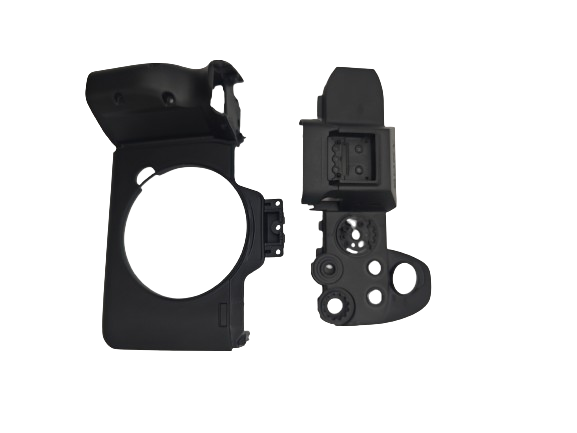
ラピッドプロトタイピングは、いくつかの理由から有利な方法論となりうる。第一に、より速いイテレーションを可能にし、チームがリアルタイムでアイデアをテストし、改良することを可能にする。このスピードは、市場投入までの時間が製品の良し悪しを左右する今日の競争環境では極めて重要だ。第二に、機能横断的なチーム間のコラボレーションが促進される。デザイナー、エンジニア、利害関係者が一堂に会してプロトタイプを評価し、意見を提供することで、最終製品がユーザーのニーズと期待に応えることができる。このようなコラボレーション環境は、イノベーションと創造性を促進し、より効果的なソリューションにつながります。最後に、ラピッド・プロトタイピングは費用対効果の高い戦略である。プロセスの早い段階で設計の欠陥を特定することで、組織は開発の後半で高価な変更を避けることができます。この効率性は、コストを削減するだけでなく、プロジェクトの遅延リスクを低減し、最終的に開発プロセスの円滑化に貢献します。
ラピッドプロトタイピングと従来のプロトタイピング手法との比較
Usually traditional prototyping methods depict a longer and more sequential way of handling the process. On the other hand, rapid prototyping is less bound to the fixed requirements as it enables continuous iterations and feedback. Whereas traditional methods might invest up to many months in perfecting one single prototype, rapid prototyping is based on the idea that more iterations result in better outcomes.
Technology is the main point where the two methods differ. Traditional prototyping is generally done manually, while rapid prototyping is done with the help of the advanced tools and software which make it possible to give quick adjustments and modifications. Such an inclusion of technology not only opens up for a more flexible designing process, but also is in line with the fast development of the modern projects.
ラピッドプロトタイピングは一般的なデザイン課題を解決できるか?
デザインの障害を克服する
Designers are, in many cases, confronted with problems like vague requirements, modifications of the specifications, and the reception of the users’ feedback. Rapid prototyping is a tool that solves these problems by offering fast rounds of work and changes. Such flexibility helps to match the end product with the users’ needs and the objectives of the project without any difficulty.
成功のケーススタディ
For instance, a technology company might employ rapid prototyping to quickly bring to life a new idea for a mobile app. In this way, the company opened the door for user input by producing a prototype. As a result, they fine-tuned the app features based on users’ needs to a greater extent. The company thus shortened the time-to-market while at the same time the chances of app success were raised substantially as a result of the iterative process.
ラピッドプロトタイピングはインストラクショナルデザインにどのように応用されるのか?
In the field of instructional design, employing rapid prototyping might serve as a powerful tool to invent novel computer-based learning programs. Such a process gives freedom to instructional designers for the swift creation and testing of educational materials that are capable of satisfying the requirements of different types of learners. Through the successive versions of the same content, format, and delivery methods, instructors can increase the potency of their teaching aids.
As an illustration, rapid prototyping is capable of contributing to the creation of online learning modules where designers come up with the initial versions, collect feedback from learners, and modify the content according to the practical applications. This cyclic approach is a guarantee that the end product will be attractive, up-to-date, and efficient in the accomplishment of learning objectives.
ラピッドプロトタイピングにおけるフィードバックの役割とは?
Feedback is one of the essential elements in the rapid prototyping process. It steers the iterative development of the prototypes and provides the subsequent design decisions with the necessary information. Feedback, which can be user testing, peer reviews, or stakeholder input, is the main support for design teams in discovering their design functionalities and weaknesses. Frequently and early inclusion of feedback may raise the quality of the final product to a very high level. By knowing user needs and desires, the teams will be able to make the right changes that will improve the product’s functionality and usability. Such a collaborative way of working not only results in better outputs, but also, among team members and stakeholders, it creates the feeling of being owners.
成功するプロトタイプの主な構成要素とは?
重要な要素
成功するプロトタイプは、以下のような構成要素を含むべきである:
- 機能性: プロトタイプは、最終製品の中核となる機能を実証するものでなければならない。
- ユーザビリティ: ユーザーフレンドリーで直感的でなければならない。
- フィードバックのメカニズム: ユーザーがフィードバックを提供できるようにすることは、反復的な改善のために極めて重要である。
プロトタイプの効果を高める
プロトタイプの効果を高めるには、プロセスの早い段階で利害関係者を参加させ、明確な目標を設定し、ユーザーからのフィードバックに基づいて継続的にデザインを改良する。このアプローチは、プロトタイプが望ましい要件と期待を満たすことを確実にするのに役立ちます。
ラピッドプロトタイピングはあらゆる産業で有効な手法か?
業界特有の考慮事項
Although rapid prototyping is beneficial in many ways, it is not appropriate for each sector. Take, for example, sectors that are heavily regulated, like the pharmaceutical industry, where quick changes and repetitions may conflict with compliance standards.
限界と潜在的欠点
Rapid prototyping consumes a lot of resources, among which are time and expertise, so it may not be possible for all organizations to carry it out. Besides that, concentrating only on the fast execution of the project can result in missing some quality or functionality aspects if it is not properly supervised.
Faq
ラピッドプロトタイピングの主な利点は何ですか?
ラピッドプロトタイピングは、迅速なイテレーションとユーザーフィードバックを可能にし、より洗練されたユーザーフレンドリーな製品を生み出します。
ラピッドプロトタイピングは従来のデザイン手法とどう違うのですか?
従来の方法とは異なり、ラピッドプロトタイピングではスピードと柔軟性が重視され、デザイナーはリアルタイムのフィードバックに基づいて変更を加えることができる。
ラピッドプロトタイピングは物理的な製品に適用できるのか?
そう、ラピッドプロトタイピングは、家電製品や自動車部品など、デジタル製品と物理的製品の両方に適用できる。
ラピッドプロトタイピングでよく使われるツールは?
一般的なツールとしては、CADソフト、3Dプリンター、デジタル製品用のワイヤーフレーミングツールなどがある。
ラピッドプロトタイピングは費用対効果が高いのか?
リソースや専門知識が必要なため、初期コストは高くなるかもしれないが、再設計の削減や製品市場の適合性向上による長期的な節約は、これらのコストを上回ることが多い。
コメント
関連ブログ
仙のブログで共有における幅広い知識と経験による試作品製造. 弊社の記事を支援することを目指します石油精製製品のデザインとナビゲート、および、複雑な造形にします。