Unlocking Precision: CNC and Lathe For Optimal Machining
Table of Contents
Summary
- A CNC and lathe machine uses computer numerical control to automate the turning of cylindrical parts.
- Key components of a CNC lathe include the spindle, turret, and CNC controller.
- CNC lathes offer significant advantages over manual lathes in terms of precision and efficiency.
- Various different types of CNC lathes cater to different manufacturing needs and complexities.
- Understanding technical specifications is crucial for selecting the right CNC lathe for your operations.
- The spindle and turret are critical components that impact the machine’s performance and capabilities.
- Effective CNC programming is essential for maximizing the precision and efficiency of CNC lathes.
- Our CNC lathe machines are designed with advanced technology to meet the demands of modern manufacturing.
- We offer comprehensive support and training to help you leverage the full potential of our machines.
- Partnering with us ensures access to high-quality CNC lathe solutions and expert guidance.
By choosing our CNC and lathe machines, you are investing in precision and efficiency for your production department. Our machines are designed to handle complex parts and deliver consistent, high-quality results. Lathe machining has never been more advanced. Contact us today to learn more about how our CNC lathe solutions can transform your manufacturing capabilities. We are committed to providing automation solutions that meet your specific needs. Explore our range of services, including CNC turning, CNC milling, and our comprehensive CNC machining services. For prototype needs, see our prototype services.

Are you in a production department or creative designer seeking to optimize your cnc and lathe machining capabilities? This article delves into the critical specifications of a CNC lathe machine, providing essential insights into how these machines operate and how to select the right one for your needs. Understanding the key technical specifications of a CNC lathe is crucial for achieving precision and efficiency in your manufacturing processes. This guide is designed to help you navigate the complexities of CNC lathe technology and make informed decisions.
What is a CNC and Lathe Machine and Its Primary Function?
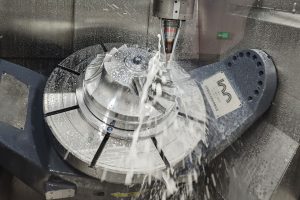
A CNC lathe machine is a sophisticated machine tool used in manufacturing to create cylindrical parts with high precision. Unlike traditional manual lathes, a CNC lathe utilizes computer numerical control (CNC) to automate the machining process. The primary function of a CNC lathe is to rotate a workpiece against a cutting tool, which removes material to form the desired shape. This process, called turning, is fundamental in producing a wide array of machine components.
The automation offered by CNC lathe technology allows for consistent and accurate production, making it ideal for both prototype runs and high-volume manufacturing. The ability to precisely control the spindle speed, cutting tool movement, and other parameters ensures that each part is called into existence exactly as designed. This level of control is essential for industries requiring tight tolerances and consistent quality.
What are the Key Components of a CNC and Lathe?
Understanding the components of a CNC lathe is crucial for anyone involved in lathe machining. The headstock houses the spindle, which holds and rotates the workpiece. The turret holds various cutting tools and rotates to bring the appropriate tool into action. The machine bed provides a stable base for all the components, ensuring minimal vibration during machining operations.
Other essential components include the CNC controller, which is the brain of the machine, interpreting the CNC programming to control the movements of the axes. The coolant system helps to regulate temperature and lubricate the cutting tool and workpiece. Familiarity with these parts of the CNC is essential for effective operation and maintenance.
How Does a CNC and Lathe Machine Differ from a Manual Lathe?
The primary difference between a CNC and lathe machine and a manual lathe lies in the level of automation. A manual lathe requires a skilled operator to manually control the movements of the cutting tool, whereas a CNC lathe operates based on pre-programmed instructions. This automation significantly increases precision and efficiency, reducing the potential for human error.
CNC lathes may also feature multiple axes and turrets, allowing for more complex operations to be performed in a single setup. While manual lathes are suitable for simpler tasks and training purposes, CNC lathes are the workhorses of modern manufacturing, capable of producing intricate designs with consistent accuracy.
What are the Different Types of CNC Lathes Available?
There are several different types of CNC lathes available, each designed for specific applications and levels of complexity. A basic 2-axis CNC lathe is ideal for simple turning operations, while a 3-axis CNC lathe adds the capability to control the cutting tool along the y-axis, allowing for more intricate cuts. 4-axis CNC machines introduce a fourth axis of rotation, further enhancing their ability to create complex parts.
More advanced turning centers may feature live tooling, which allows for milling operations to be performed on the lathe, blurring the lines between CNC turning and CNC milling. The choice of CNC lathe depends on the specific needs of the machine shop and the types of parts being produced.
Here is a table summarizing the different types of CNC lathes:
| Type of CNC Lathe | Number of Axes | Common Operations | Typical Applications | Advantages |
|---|---|---|---|---|
| 2-Axis CNC Lathe | X, Z | Basic turning, facing, and threading | Simple cylindrical parts | Cost-effective for basic operations |
| 3-Axis CNC Lathe | X, Y, Z | More complex turning, including some off-center features | Parts requiring some milling features | Increased versatility compared to 2-axis |
| 4-Axis CNC Lathe | X, Y, Z, C | Complex turning with rotational capabilities on the spindle | Parts with intricate, off-center details, and cylindrical features | Enhanced complexity and precision |
| Turning Center (with Live Tooling) | Multi-Axis | Turning and milling operations in one setup | Parts requiring both turning and milling | Reduces setup time and increases efficiency for complex parts |
| CNC Swiss Lathe | Multi-Axis | Machining small, slender parts with high precision | Medical devices, small electronic components | Excellent for small, intricate parts; high precision |
Understanding Key CNC and Lathe Machine Specifications
When selecting a CNC lathe machine, understanding the key technical specifications is crucial. The spindle speed, measured in rpm, determines how fast the workpiece rotates. The power of the spindle dictates the machine’s ability to handle different materials and cutting tool pressures. The number of axes indicates the machine’s versatility in performing complex cuts.
Other important specifications of CNC include the maximum swing diameter (the largest diameter workpiece that can be machined), the maximum turning length, and the turret capacity (the number of tools it can hold). These specifications directly impact the types and size CNC of parts the lathe offers the ability to produce.
How Does the Spindle Affect CNC and Lathe Performance?
The spindle is a critical component affecting the overall performance of a CNC and lathe. A high-speed spindle allows for faster material removal rates, increasing efficiency. The spindle’s bearing quality and construction influence the machine’s ability to maintain precision at high speeds. The spindle power is also crucial, as it determines the machine’s capability to handle tougher materials and larger cuts.
Different applications may require different spindle characteristics. For example, machine shops working with hard metals like titanium require CNC lathes with robust, high-torque spindles. Proper maintenance of the spindle is essential to ensure long-term precision and efficiency.
What Role Does the Turret Play in CNC and Lathe Operation?
The turret is another vital component in CNC lathe operation. Its primary role is to hold and index various cutting tools, allowing the machine to perform multiple turning operations without manual tool changes. The capacity of the turret (the number of tool slots it has) directly impacts the complexity of parts that can be machined in a single setup.
Turret design can vary, with some featuring a simple indexing mechanism while others offer live tooling capabilities. Live tooling allows the turret to drive rotary tools, enabling milling operations, drilling, and tapping on the lathe. The efficiency and versatility of the turret are key factors in maximizing the productivity of a CNC lathe.
How is CNC Programming Used with Lathe Machines?
CNC programming is the process of creating instructions that the CNC controller uses to direct the movements of the lathe. These instructions are typically written in g-code, a numerical control programming language. The programmer defines parameters such as spindle speed, feed rate, cutting tool paths, and coolant control.
Advanced CNC programming techniques can optimize the machining process for speed and accuracy. CAD/CAM (Computer-Aided Design/Computer-Aided Manufacturing) software is often used to generate these programs, simulating the machining process before it’s executed on the machine. Effective CNC programming is crucial for harnessing the full potential of a CNC lathe. We offer comprehensive CNC programming support system to ensure your CNC lathe operates at peak efficiency.
Why Choose Our CNC and Lathe Machines for Your Production Needs?
As a leading provider of CNC and lathe solutions, we offer a range of CNC lathe machines designed to meet the diverse needs of modern manufacturing. Our machines used advanced technology to deliver exceptional precision and efficiency. Whether you need a compact 2-axis CNC lathe for simple turning operations or a sophisticated turning center with live tooling for complex parts, we have the right machine for you.
Our commitment extends beyond just providing machines. We offer comprehensive support, including training, maintenance, and CNC programming assistance, ensuring that your production department can maximize the benefits of our CNC lathe technology. Partner with us to experience the difference that quality and expertise can make in your machining process. Many machine shops trust our Haas lathes for their reliability and performance.
What Support and Training Do We Offer for Our CNC and Lathe Machines?
We understand that investing in a CNC lathe machine is a significant decision. That’s why we offer extensive support and training programs to ensure your team can operate and maintain the machine effectively. Our training covers everything from basic CNC lathe operation to advanced CNC programming techniques.
Our support services include on-site installation, troubleshooting, and maintenance to keep your machines running smoothly. We also provide ongoing technical assistance to address any questions or issues that may arise. Our goal is to empower your team to maximize the precision and efficiency of our CNC lathe solutions. We want to ensure you are comfortable using CNC technology to its fullest potential.
FAQs
What is the primary function of a CNC lathe?
The primary function is to rotate a workpiece against a cutting tool to create cylindrical parts with high precision.
What are the key components of a CNC lathe?
Key components include the headstock, spindle, turret, machine bed, and CNC controller.
How does a CNC lathe differ from a manual lathe?
A CNC lathe is automated using computer numerical control, while a manual lathe requires manual operation.
What are important technical specifications to consider when choosing a CNC lathe?
Important specifications include spindle speed and power, number of axes, swing diameter, and turret capacity.
Why is CNC programming important for lathe machines?
CNC programming provides the instructions for the machine to perform machining operations accurately and efficiently.
Comments
Latest Posts
Related Blogs
Senyo’s blog is focused on sharing our extensive knowledge of prototype manufacturing. Through our articles, we aim to support you in refining your product design and navigating the complexities of rapid prototyping more effectively.