Durable and Versatile Bronze Sheet Metal for Industrial Applications
Table of Contents
In the realm of industrial manufacturing, material selection is paramount. Bronze sheet metal, with its unique blend of properties, stands out as a versatile and reliable choice for a wide array of applications. This comprehensive guide delves into the world of bronze sheet, exploring its various forms, benefits, and best uses in industrial settings. Whether you’re seeking robust components, superior electrical conductivity, or a material that withstands harsh conditions, understanding the potential of bronze sheet metal is crucial. Read on to discover how this exceptional metal can enhance your industrial applications.
Why is Bronze Sheet Metal a Preferred Choice for Demanding Industrial Applications?
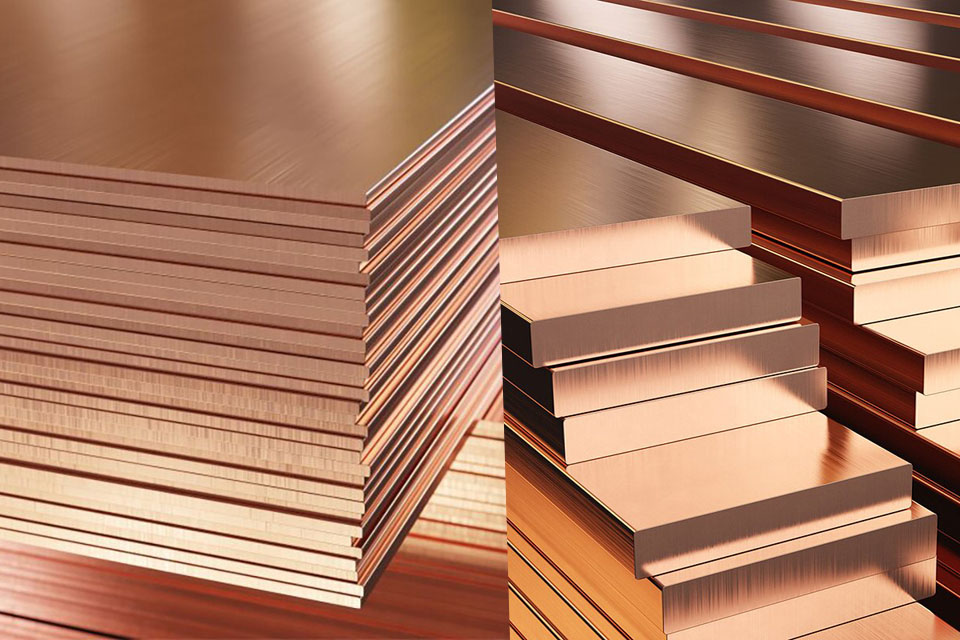
Bronze sheet metal, an alloy primarily of copper and tin, is celebrated for its exceptional combination of strength, durability, and unique properties that make it ideal for demanding industrial applications. Unlike many other metals, bronze sheet possesses excellent corrosion resistance, meaning it can withstand harsh environments, such as those involving moisture, chemicals, and extreme temperatures, without degrading. This inherent resistance significantly extends the lifespan of industrial components made from bronze sheet metal, reducing the need for frequent replacements and lowering maintenance costs.
Moreover, bronze exhibits outstanding electrical and thermal conductivity, making it suitable for applications requiring effective heat dissipation or electrical conduction. The warm, golden hue of bronze sheet also offers an aesthetic appeal, which is beneficial in architectural and decorative applications where both functionality and appearance are important. Its low friction properties make it useful for bearings and bushings in machinery. For industry, where reliability and longevity are paramount, the use of bronze sheet often translates to improved performance and reduced downtime.
What are the Key Differences Between Bronze Sheet, Copper Sheet, and Brass Sheet?
Understanding the distinctions between bronze sheet, copper sheet, and brass sheet is essential when selecting the right material for industrial applications. While all three are copper-based alloys, their unique compositions lead to different properties. Copper sheet, made of almost 100% pure copper, is known for its excellent electrical and thermal conductivity. However, it’s softer and more susceptible to corrosion than bronze or brass.
Brass sheet, an alloy of copper and zinc, is valued for its malleability and often more cost effective than bronze or copper. It can have a range of properties depending on the ratios of the metals in the alloy. The color can also change. Bronze sheet, as previously mentioned, is primarily an alloy of copper and tin, and has an increased level of strength and corrosion resistance compared to brass and copper, but can be more expensive. The choice between them depends on the specific requirements of the application, such as the need for high electrical conductivity, strength, or resistance to environmental factors. We, as experienced providers, can help you choose the right metal for your application.
How Does Thickness Impact the Performance of Bronze Sheet in Industrial Settings?
The thickness of bronze sheet is a critical factor influencing its performance in industrial applications. A thicker metal sheet typically provides greater structural strength and resistance to deformation under load, making it suitable for applications requiring high levels of durability and load-bearing capacity. For example, in heavy machinery or structural components, a thicker bronze sheet is necessary to withstand the stresses of operation.
Conversely, a thinner metal sheet may offer greater flexibility and conformability, making it suitable for applications requiring intricate shapes or curves. Thinner bronze sheet is also typically lighter, which can be an advantage in applications where weight reduction is a priority. The thickness of the bronze sheet also impacts its electrical and thermal conductivity. Although, the difference between two sheets isn’t as noticeable as the differences in other properties. Therefore, selecting the correct thickness of bronze sheet is essential to meet the precise needs of specific industrial uses, and we can advise you on the best option.
What Are the Primary Uses of Bronze Sheet Metal in Metal Manufacturing Today?
The versatility of bronze sheet metal makes it indispensable in various metal manufacturing sectors. Its unique properties make it ideal for creating high-quality, durable components. One of the most significant uses of bronze sheet is in the production of bearings and bushings for machinery. Bronze’s low friction and wear resistance ensure smooth operation and extended lifespans for these essential parts.
Bronze sheet metal is also frequently used in electrical components due to its excellent conductivity and corrosion resistance. Connectors, contacts, and springs often feature bronze because of these properties, making them suitable for a wide range of applications. Furthermore, the aesthetic qualities of bronze make it a popular choice in architectural and decorative metalwork. Metal roofing, decorative panels, and sculptures often incorporate bronze for its enduring beauty. With our expertise and state-of-the-art facilities, we are well-equipped to deliver superior bronze sheet metal for all your diverse manufacturing needs.
Bronze Sheet vs Aluminum: When Should You Choose One Over the Other for Your Metal Project?
When selecting between bronze sheet and aluminum for a metal project, several factors come into play. Aluminum is known for its lightweight nature and good corrosion resistance, making it ideal for applications where weight reduction is essential, such as in the aviation and automotive industry. It’s generally more cost-effective than bronze, too.
Bronze, on the other hand, excels in demanding applications requiring high strength, superior corrosion resistance, and good electrical conductivity. For example, bronze‘s use in bearings, bushings, and electrical components is due to these superior material properties. Bronze is also more wear-resistant compared to aluminum, which is very important for high-friction use cases. If aesthetics are also a factor, the unique color and beauty of bronze makes it a great choice for architectural applications. The decision between bronze and aluminum depends largely on the specific demands of your project, and we can assist you in making the ideal choice.
What Level of Precision Can Be Achieved With Bronze Sheet Metal Manufacturing?
In modern metal manufacturing, precision is crucial, and bronze sheet metal is no exception. With the latest technologies and techniques, high levels of precision can be achieved when working with bronze sheet. Laser cutting, metal stamping, and precision machining allow for the creation of intricate and accurate components with tight tolerances. These processes ensure that each bronze sheet part meets exacting specifications, which is critical for demanding industrial applications.
Our manufacturing plants are equipped with advanced machinery that can produce bronze parts with extreme accuracy and consistency. We utilize computer-aided design (CAD) and computer-aided manufacturing (CAM) systems to ensure that every step of the manufacturing process is precise. We focus on attention to detail, from the initial design to the final product, to achieve the level of precision that our clients demand. This dedication allows us to deliver high-quality bronze sheet metal that is reliable and performs exceptionally well.
What are the Most Common Bronze Alloys Used for Sheet Metal Applications?
The term bronze encompasses a variety of alloys, each with its own unique properties and suitability for different applications. Phosphorus bronze, for instance, is a popular choice for electrical components due to its high conductivity and excellent spring properties. It contains phosphorus in addition to the copper and tin found in bronze, and this additional component provides increased strength and fatigue resistance.
Another common bronze alloy is commercial bronze, known for its good corrosion resistance and appealing golden color. This is often the preferred choice for architectural applications and decorative parts. Additionally, some bronze alloys incorporate other elements like zinc, which enhances machinability and reduces cost. Each alloy is chosen based on its specific attributes, taking into account the desired strength, conductivity, and environmental conditions. As a trusted supplier, we offer a range of bronze materials to meet the unique requirements of our clients.
How Does Bronze Sheet Metal Perform in Harsh Environments Requiring High Corrosion Resistance?
Bronze sheet metal is highly valued for its superior corrosion resistance, especially in harsh environments where many other metals would degrade. The alloy‘s combination of copper and tin creates a protective layer on the metal‘s surface, preventing oxidation and rusting. This makes bronze especially suitable for use in marine applications, where constant exposure to saltwater can lead to rapid degradation in other metals.
Furthermore, bronze sheet is highly resistant to a range of chemicals and industrial pollutants, further making it a good choice for a variety of industries. Its resistance to corrosion ensures that bronze components maintain their structural integrity and functionality over extended periods, reducing the need for frequent repairs and replacements. This robustness makes bronze sheet metal a cost-effective option in the long term. We understand the importance of this property, and we provide high-quality bronze materials that stand the test of time.
Where to Find a Reliable Supplier of High-Quality Bronze Sheet for Your Industrial Needs?
When sourcing bronze sheet for your industrial needs, selecting a reliable supplier is crucial. You need a partner that provides consistently high-quality materials, competitive pricing, and dependable shipping. A good supplier should also have expertise in working with various bronze alloys and be able to offer custom solutions tailored to your specific requirements.
Our company has a long history of providing excellent bronze sheet metal to a wide range of industry clients. We prioritize quality and precision at every step of the manufacturing process, ensuring that our bronze sheet meets the highest standards. We offer various thicknesses and alloys, as well as custom fabrication options to suit the unique needs of our customers. We are committed to being a trusted partner for your bronze sheet metal needs. Our precision metal production capabilities can handle your most demanding project requirements.
Ready to Elevate Your Products? Contact Us for Custom Bronze Sheet Metal Manufacturing.
As a leading provider of bronze sheet metal solutions, we are dedicated to delivering superior quality and exceptional service to our clients. We understand the specific demands of various industries and are equipped to handle custom projects of any size or complexity. We work with different alloys and can create components that meet the exact requirements of your application. Whether you need custom-cut sheets, intricate stamped parts, or complex assemblies, we are ready to be your partner.
Our advanced manufacturing facilities and experienced team allow us to provide fast turnarounds, competitive pricing, and the highest levels of precision. We are committed to helping you succeed by providing you with the best bronze sheet metal solutions. For all your metal needs, consider our expertise in sheet metal fabrication, metal stamping and laser cutting. Our CNC machining services can create custom molds or tooling. We are also adept at metal bending to create desired shapes. Don’t hesitate to explore the range of capabilities our homepage offers.
FAQs
What is the difference between bronze and brass?
Bronze is primarily an alloy of copper and tin, while brass is an alloy of copper and zinc. Bronze is generally stronger and more corrosion-resistant.
What are the main benefits of using bronze sheet metal?
Bronze provides excellent corrosion resistance, high strength, good electrical conductivity, and low friction, making it ideal for a wide variety of applications.
Is bronze a good choice for electrical components?
Yes, bronze has excellent electrical conductivity, making it a suitable material for various electrical applications. Phosphorus bronze is particularly well suited for electrical components.
What are some common industrial uses for bronze sheet metal?
Bronze is commonly used for bearings, bushings, electrical connectors, architectural details, and marine hardware.
What are the most common bronze alloys for sheet metal?
Common bronze alloys include phosphorus bronze and commercial bronze.
Summary
Bronze sheet metal is an excellent choice for demanding industrial applications due to its strength, durability, and corrosion resistance.
Understanding the differences between bronze, copper, and brass sheet is essential for choosing the appropriate material.
The thickness of bronze sheet significantly impacts its performance and suitability for various applications.
Bronze is used in various industry applications, including bearings, electrical components, and architectural metalwork.
Partnering with a reliable supplier is essential for receiving high-quality bronze sheet that meets your specific needs.
Contact us today to discuss your project and find custom bronze sheet metal solutions.
Comments
Latest Posts
Related Blogs
Senyo’s blog is focused on sharing our extensive knowledge of prototype manufacturing. Through our articles, we aim to support you in refining your product design and navigating the complexities of rapid prototyping more effectively.