Shaping the Future: Rapid Prototyping with AI in 2028
Table of Contents
What will prototypes be like in 2028? The landscape of rapid prototyping is undergoing a seismic shift, and by 2028, it will be unrecognizable to those relying on today’s methods. Imagine a world where prototypes are not just physical models, but intelligent entities, shaped by AI and designed in immersive virtual environments. At Senyorapid, we are not just anticipating these changes, we are actively creating them. We’re crafting the future of prototyping, merging cutting-edge technology with your innovative visions. This article isn’t just about what’s coming—it’s about what’s possible now. If you are a creative designer ready to push the boundaries of what’s achievable, keep reading to understand how we can transform your design process.
What Will Prototypes Be Like in 2028?
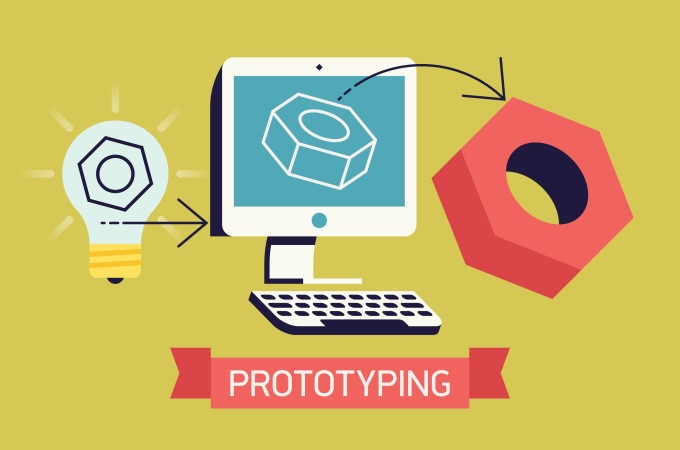
In 2028, the traditional idea of a prototype—a static, physical model—will be outdated. We envision prototypes as intelligent, interactive objects that learn and adapt in real-time. Powered by AI, they won’t just represent a design; they’ll simulate its function and predict its performance in a real-world setting. These will be functional prototypes, capable of reacting to their environment. Imagine a prototype that can identify its own weaknesses and provide feedback to designers, actively shaping its own evolution. This is what the future of prototyping looks like. We at Senyorapid are working to make this a reality now, not just a concept of the future.
These advanced prototypes will transcend the limitations of traditional models. They will be seamlessly integrated with AI-powered design tools, allowing for continuous iteration and improvement. This transformation will extend across all manufacturing processes including 3d printing, cnc machining prototyping, injection molding prototyping, and sheet metal prototyping. These future prototypes will be like having a mini-manufacturing plant at your fingertips, ready to bring your most ambitious concepts to life.
How is AI Reshaping the Prototyping Process?
AI is no longer a futuristic fantasy, but a critical component of the rapid prototyping landscape. It’s fundamentally changing how we approach the design process by enabling automation, reducing errors, and accelerating innovation. AI-driven design tools will help us explore countless possibilities and come up with more efficient designs in a fraction of the time. The power of AI is making rapid prototyping faster and smarter than ever before. This gives designers the ability to push the boundaries of what’s possible.
With AI, many repetitive tasks are automated, allowing designers to focus on the creative aspects of prototyping. AI can analyze massive datasets to identify design patterns, suggest improvements, and generate novel solutions that a human designer may not consider. The integration of AI means that the workflow of creating a prototype can be more streamlined. This will not only enhance productivity, but improve the final design of the prototype.
How Can AI Improve the Speed and Precision of CNC Machining Prototyping?
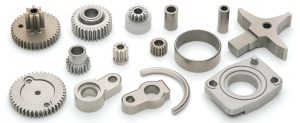
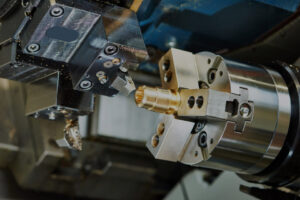
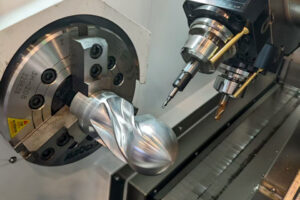
CNC machining prototyping, even with its precision, has always relied on human expertise to program the machines and make the required adjustments. By 2028, AI will automate this aspect of the process. AI algorithms will analyze design specifications and generate optimal machining paths in real-time, reducing human error and significantly speeding up production times. The power of ai is that it can improve both the speed and precision of cnc machining prototyping.
AI will also enable predictive maintenance for CNC machines, ensuring that they operate at peak performance and reducing downtime. Machine learning algorithms can analyze sensor data to detect anomalies and predict potential failures, allowing for proactive maintenance and preventing costly delays. This level of automation and precision will make CNC machining prototyping more efficient and reliable than ever before. We are here to help you to make this leap with advanced tooling.
Will 3D Printing Still Be Relevant in the Future of Rapid Prototyping?
Absolutely! 3D printing will not only remain relevant but will become an even more integral part of the future of rapid prototyping. Additive manufacturing, thanks to technological advancements and the integration of AI, is reaching new heights. By 2028, we will see 3D printing technologies capable of producing highly complex, multi-material prototypes with unprecedented speed and accuracy. The advancement in the 3d printing technologies means that it will continue to be essential to the prototyping world.
AI will be used to optimize 3D printing processes, predicting the ideal parameters for each print, minimizing material waste, and improving overall quality. We also expect to see a rise in sustainable 3D printing with the increased use of recycled materials and a push for more biocompatible materials to meet the needs of the medical industry.
What Role Will Injection Molding Prototyping Play in 2028?
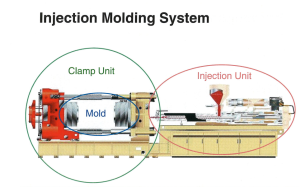
While 3D printing will take center stage for certain prototypes, injection molding prototyping will remain crucial for mass-producible designs. It offers a cost-effective solution for producing high-volume prototypes. The technology itself will continue to evolve, integrating AI and automation to shorten lead times and improve precision. This means injection molding prototyping will still be an essential part of the process.
AI will optimize the design process of injection molding tools, ensuring that they are both efficient and robust. We will see more automated mold design and manufacturing, reducing the need for human intervention and streamlining the entire workflow. The ability to produce larger quantities of a design rapidly will remain a cornerstone of manufacturing.
How will Sheet Metal Prototyping Evolve with New Technologies?
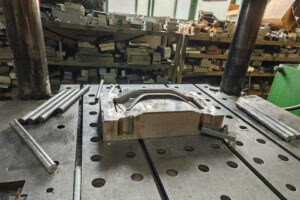
Even traditional methods like sheet metal prototyping will be transformed by AI and new technologies. By 2028, we’ll see AI systems that can optimize sheet metal designs for maximum strength and minimum material usage. We’ll also see a wider range of materials being used that are lighter, stronger and more durable than the ones used today. AI will also improve the precision of laser cutting, bending and other processes, ensuring more accurate and consistent prototypes.
Robotic systems, guided by AI, will automate many of the repetitive tasks in sheet metal prototyping, freeing up skilled technicians for more complex work. This will lead to higher productivity and lower costs, making it easier than ever to develop intricate and functional physical prototypes. The advancement of these traditional techniques means that they will be relevant for a long time.
How Will Artificial Intelligence Impact the Design Process?
Artificial intelligence will fundamentally change the design process. It will give designers new tools and capabilities that they could only imagine in the past. AI won’t replace designers; instead, it will assist designers and empower them to achieve more and push the boundaries of what’s possible. With AI, the design process will be much more collaborative and iterative with real-time feedback and data-driven suggestions. This will make the process faster and more efficient.
Generative design, powered by AI algorithms, will allow designers to explore a vast range of design options based on specific criteria. This will lead to the development of more innovative and efficient products. AI and ML will also improve user experience by creating more user-friendly products. The design process will be faster, smarter and more iterative, meaning design teams will have more options than ever before.
What Emerging Trends Will Define Future Prototyping?
Several emerging trends will shape the landscape of rapid prototyping in 2028. We’ll see a significant increase in the use of AI and automation, as well as a greater focus on sustainability and eco-friendly materials. This will be a vital part of the process. Also there will be more emphasis on the user experience, and a greater use of digital twins. This means digital prototypes will become more and more common, as a reflection of the real-world object being developed.
Generative design tools will become commonplace, enabling designers to explore countless design possibilities. We’ll also see a rise in distributed manufacturing, with prototypes being designed and produced anywhere in the world, thanks to the advancement of technology. These trends in rapid prototyping will transform the way we make products and bring ideas to life.
How Will VR and Augmented Reality Change User Testing and Prototyping?
VR and augmented reality will revolutionize user testing and prototyping. Designers will be able to create immersive virtual environments in which users can interact with digital prototypes before they are even manufactured, allowing for much more complete and comprehensive feedback. AR overlays will also enhance design reviews and allow users to visualize how a prototype would work in a real-world setting. The use of this technology will streamline the whole design and testing process.
VR will allow for more collaborative design reviews, with design teams being able to evaluate and test prototypes together remotely. AR will enhance the physical prototyping process by providing real-time data and insights, enabling designers to make immediate adjustments. These advanced technologies will create new opportunities for designers and developers to evaluate and improve prototypes. We are committed to incorporating this technology to offer a more complete prototyping service.
How Can We Help You Bring Ideas to Life in This New Landscape?
At Senyorapid, we are committed to helping creative designers navigate the evolving landscape of rapid prototyping in 2028. We offer a wide range of services, from CNC machining prototyping to injection molding prototyping and 3d printing. But what truly sets us apart is our expertise in integrating AI into the prototyping process, leveraging these tools to help you achieve your creative visions. With our experience in the landscape of prototyping, we are ready to partner with you on your next project and bring ideas to life.
We understand that the future of prototyping is about more than just making a model – it’s about creating a functioning prototype that truly reflects your design vision and the needs of your end users. We can help you transition from a concept to a tangible, real-world prototype, quickly and efficiently. Contact us today to discuss how we can help you thrive in this exciting new era of design and manufacturing. The future of rapid prototyping is here now, and with the help of Senyorapid, you can leverage it.
FAQs
How will AI impact the design process?
AI will automate repetitive tasks, assist in design generation, and provide real-time feedback, allowing designers to focus on the creative aspects.
Will 3D printing replace other methods of prototyping?
While 3D printing will become increasingly important, other methods, like CNC machining prototyping and injection molding prototyping, will remain relevant for certain applications.
What role will VR and AR play in user testing?
VR and AR will allow for more immersive and collaborative user testing, enabling designers to gather more valuable feedback earlier in the design process.
What are the key advantages of rapid prototyping in 2028?
The key advantages will be speed, precision, flexibility, and the ability to create intelligent and adaptive prototypes.
What kind of materials will be used for prototypes in 2028?
We anticipate increased use of recycled materials, biocompatible materials, and advanced composites, allowing the creation of more sustainable and functional prototypes.
Summary
Attention:
The world of prototyping is evolving at an unprecedented pace. By 2028, the methods and tools we use to bring ideas to life will be vastly different, driven by advancements in AI, 3D printing, and other emerging technologies. This isn’t just a subtle shift; it’s a complete transformation of the design and manufacturing landscape. Are you keeping up with the future trends in prototyping?
Interest:
Imagine prototypes that are not just static models, but intelligent, interactive entities that can adapt and provide real-time feedback. Imagine a design process where AI assists you in exploring countless possibilities, optimizing designs, and automating repetitive tasks. Consider the possibilities of creating complex, multi-material prototypes with unprecedented speed and precision using advanced 3D printing technologies.
Desire:
At Senyorapid, we are not just envisioning this future – we are actively building it. We offer cutting-edge services in 3d printing, CNC machining prototyping, injection molding prototyping, and sheet metal prototyping, all enhanced by the power of AI. We are helping creative designers like you to leverage the latest advancements to create innovative, functional prototypes that were previously unimaginable. Our expertise can help you bring ideas to life faster and more efficiently than ever before, helping you stay ahead in a rapidly changing industry. Our rapid prototyping services are at the cutting edge of the market.
Action:
Don’t get left behind. The future of rapid prototyping is here. Visit our rapid prototyping page to learn more about our services and see how we’re integrating these advanced technologies. If you want to see what the future of sheet metal prototyping looks like, then follow this link to sheet metal fabrication. Contact us today to discuss your next project and discover how we can help you turn your most ambitious visions into reality. Let’s push the boundaries of what’s possible together! We are the experts in rapid prototyping and want to help you with your next project.
Comments
Latest Posts
Related Blogs
Senyo’s blog is focused on sharing our extensive knowledge of prototype manufacturing. Through our articles, we aim to support you in refining your product design and navigating the complexities of rapid prototyping more effectively.