5-Axis CNC Machining: Expert CNC Manufacturing Services
Table of Contents
Conclusion
In the world of manufacturing, precision is paramount, and 5-axis CNC machining stands out as a revolutionary technology that enhances the capabilities of traditional machining. This article delves into the intricacies of 5-axis CNC machining, exploring its advantages, applications, and the expert services available in the industry. Whether you’re a design leader or a manufacturing professional, understanding the benefits of 5-axis machining can significantly impact your production efficiency and product quality. Read on to discover why 5-axis CNC machining is essential for modern manufacturing.

What is 5-Axis CNC Machining?
5-axis CNC machining refers to a process that allows the cutting tool to move along five different axes simultaneously. This advanced machining technique enables the creation of complex geometries and intricate designs that would be challenging or impossible to achieve with traditional 3-axis machines. The five axes typically include three linear movements (X, Y, and Z) and two rotational movements (A and B), providing unparalleled flexibility and precision in machining operations.
How Does 5-Axis CNC Machining Work?
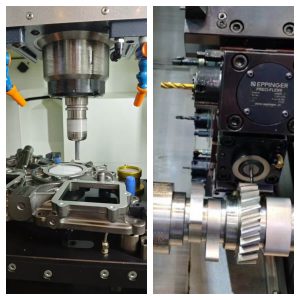
The operation of a 5-axis CNC machine involves a computer-controlled system that directs the movement of the cutting tool. The machine can tilt and rotate the workpiece, allowing for multiple angles of approach. This capability reduces the need for multiple setups, significantly decreasing production time and improving accuracy. The software used in 5-axis machining is sophisticated, enabling operators to program complex tool paths that optimize cutting efficiency and surface finish.
What Are the Advantages of 5-Axis CNC Machining?
The advantages of 5-axis CNC machining are numerous:
- Increased Precision: The ability to approach the workpiece from multiple angles results in tighter tolerances and better surface finishes.
- Reduced Setup Time: Fewer setups mean less time spent repositioning the workpiece, leading to faster turnaround times.
- Complex Geometries: 5-axis machines can create intricate shapes that would be difficult to achieve with traditional methods.
- Improved Tool Life: The ability to maintain optimal cutting angles reduces tool wear, extending the life of cutting tools.
These benefits make 5-axis machining an attractive option for manufacturers looking to enhance their production capabilities.
How Does 5-Axis Machining Compare to 3-Axis and 4-Axis Machining?
While 3-axis and 4-axis machining are effective for simpler parts, they have limitations when it comes to complex geometries.
- 3-Axis Machining: Involves movement along the X, Y, and Z axes only. It is suitable for flat parts but struggles with intricate designs.
- 4-Axis Machining: Adds a rotational axis, allowing for more complex shapes but still requires repositioning for certain angles.
- 5-Axis Machining: Offers the most flexibility, allowing for simultaneous movement in all five axes, which is ideal for intricate designs and high-precision parts.
What Types of Materials Can Be Machined with 5-Axis CNC?
5-axis CNC machines are capable of machining a wide variety of materials, including:
- Metals: Aluminum, steel, titanium, and other alloys are commonly machined due to their strength and durability.
- Plastics: Materials like ABS, polycarbonate, and nylon can be easily machined for various applications.
- Composites: Advanced materials such as carbon fiber and fiberglass are also suitable for 5-axis machining, making it ideal for aerospace and automotive industries.
The versatility in material compatibility allows manufacturers to meet diverse machining needs across different sectors.
What Industries Benefit Most from 5-Axis CNC Machining Services?
Several industries benefit significantly from 5-axis CNC machining services, including:
- Aerospace: The need for lightweight, high-strength components makes 5-axis machining essential for producing complex parts.
- Automotive: Precision parts for engines and chassis can be efficiently manufactured using 5-axis technology.
- Medical: Custom implants and surgical instruments require high precision, making 5-axis machining a preferred choice.
- Tool and Die: The ability to create intricate molds and dies is enhanced with 5-axis capabilities.
These industries leverage the advantages of 5-axis machining to improve product quality and reduce lead times.

How to Choose the Right 5-Axis CNC Machining Service Provider?
Selecting the right 5-axis CNC machining service provider involves several considerations:
- Experience and Expertise: Look for companies with a proven track record in 5-axis machining and relevant industry experience.
- Technology and Equipment: Ensure the provider uses advanced 5-axis machines and up-to-date software for optimal results.
- Quality Assurance: A reliable provider should have robust quality control processes in place to ensure precision and consistency.
- Customer Support: Good communication and support are essential for addressing any concerns during the machining process.
By evaluating these factors, you can find a machining partner that meets your specific needs.
What Are the Key Features of Advanced 5-Axis CNC Machines?
Advanced 5-axis CNC machines come equipped with several key features that enhance their capabilities:
- Simultaneous 5-Axis Machining: This allows for complex geometries to be machined in a single setup, improving efficiency.
- High-Speed Spindles: These enable faster machining speeds, reducing cycle times and increasing productivity.
- Automatic Tool Changers: This feature allows for quick tool changes, minimizing downtime during production.
- Advanced Software: Modern CNC machines are equipped with sophisticated software that optimizes tool paths and enhances precision.
These features contribute to the overall effectiveness and efficiency of 5-axis machining operations.
How to Optimize Your Designs for 5-Axis Machining?
To make the most of 5-axis machining, consider the following design optimization tips:
- Simplify Geometry: While 5-axis machines can handle complex shapes, simpler designs can reduce machining time and costs.
- Consider Tool Access: Ensure that your design allows for optimal tool access to minimize the risk of collisions and improve surface finishes.
- Use Appropriate Tolerances: Specify tolerances that are achievable with 5-axis machining to avoid unnecessary complications during production.
By optimizing your designs, you can fully leverage the capabilities of 5-axis CNC machining.
FAQs
What is 5-axis CNC machining?
5-axis CNC machining is a process that allows a cutting tool to move along five different axes simultaneously, enabling the creation of complex geometries.
How does 5-axis machining improve precision?
By allowing the tool to approach the workpiece from multiple angles, 5-axis machining achieves tighter tolerances and better surface finishes.
What materials can be machined with 5-axis CNC?
5-axis CNC machines can work with metals, plastics, and composites, making them versatile for various applications.
What industries benefit from 5-axis CNC machining services?
Industries such as aerospace, automotive, medical, and tool and die manufacturing benefit significantly from 5-axis machining.
How do I choose a 5-axis CNC machining service provider?
Consider factors such as experience, technology, quality assurance, and customer support when selecting a provider.
Comments
Latest Posts
Related Blogs
Senyo’s blog is focused on sharing our extensive knowledge of prototype manufacturing. Through our articles, we aim to support you in refining your product design and navigating the complexities of rapid prototyping more effectively.