An Ultimate Guide to Harnessing Horizontal Lathe Effectively
Table of Contents
Conclusion
Horizontal lathe machines, often referred to as the backbone of machining, are crucial tools in modern manufacturing. From shaping intricate parts to high-precision CNC turning, these machines are indispensable for industries like automotive, aerospace, and general engineering. This article dives deep into horizontal lathe technology, exploring its advantages, how it differs from vertical lathes, and the reasons it’s a cornerstone of production worldwide.
If you’re looking to understand what makes these machines tick, this guide is tailored for you. Whether you’re an industry veteran or a curious newcomer, you’ll find actionable insights, technical depth, and real-world examples that demystify this essential piece of machinery.
What is a Horizontal Lathe?
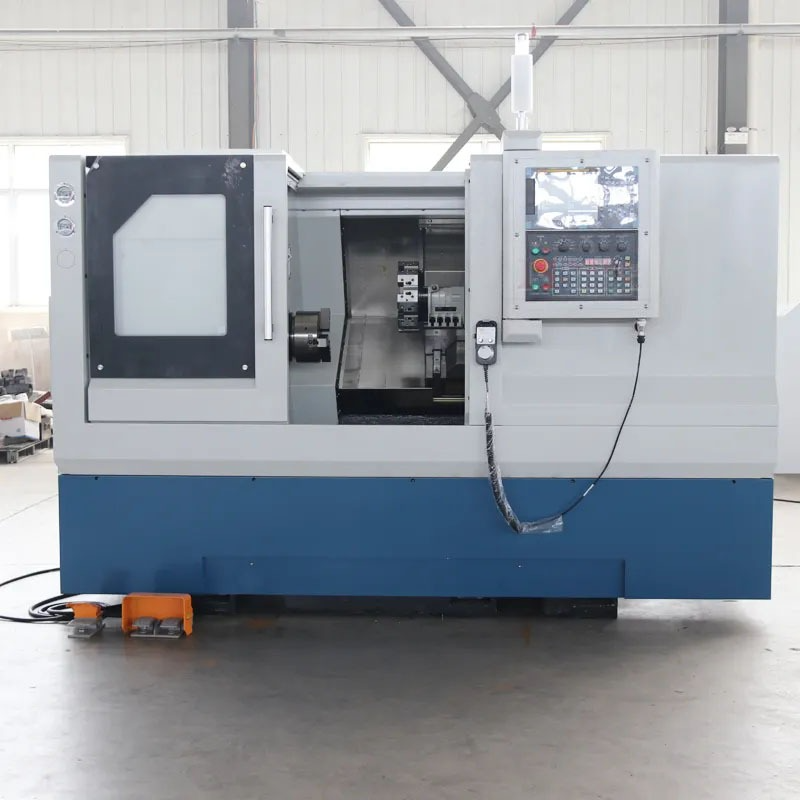
A horizontal lathe (also called horizontal turning ) is a machine tool used to shape materials like metal, wood, or plastic through a process called turning. In this setup, the workpiece is mounted horizontally and rotated against a cutting tool. This configuration is particularly advantageous for machining long and cylindrical parts.
Horizontal lathes are essential in various industries, including automotive, aerospace, and manufacturing, where precision and efficiency are paramount. The simplicity of their operation makes them accessible for both experienced machinists and novices exploring the world of machining.
What are the Different Types of Horizontal Lathes?
Horizontal lathes come in various types, each designed for specific applications. The two main categories are conventional horizontal lathes and CNC horizontal lathes.
- Conventional Horizontal Lathe: This type offers manual operation, where the machinist controls the cutting tool’s movements. It’s ideal for small-scale production and custom jobs.
- CNC Horizontal Lathe: Computer Numerical Control (CNC) lathes automate the machining process, allowing for higher precision and repeatability. These machines can perform complex tasks with minimal operator intervention, making them suitable for mass production.
Choosing the right type depends on the production scale, complexity of the parts, and required precision.
How Does a CNC Horizontal Lathe Work?
CNC horizontal lathes integrate computer numerical control to automate machining processes. Here’s a simplified workflow:
- Loading the Workpiece: The material is secured in the chuck.
- Programming: Operators input design parameters into the CNC system.
- Machining: The machine executes precise cutting, turning, and shaping.
Benefits:
- High repeatability
- Complex geometries achievable
- Reduced manual intervention
What is the Importance of CNC in A Horizontal Lathe?
CNC technology has revolutionized the lathe machining process. CNC horizontal lathes utilize computer programming to control the movements of the cutting tools and the workpiece. This automation leads to improved accuracy, reduced production time, and enhanced consistency across multiple parts.CNC lathes can execute intricate designs that would be challenging or impossible with manual machines. They are equipped with advanced features such as tool changers and automatic measuring systems, making them indispensable in modern manufacturing environments.
How Does Horizontal lathe Compare to Vertical lathe?
Horizontal lathe machining and vertical lathe machining are two primary machining methods, each with its advantages and applications.
- Horizontal Lathe: As discussed, this method involves mounting the workpiece horizontally. It is effective for longer workpieces and allows for easier access to the cutting tools.
- Vertical Lathe: In contrast, vertical lathes have a vertical setup where the workpiece is mounted vertically. This configuration is beneficial for machining large, heavy workpieces that require stability during the cutting process.
Conventional horizontal lathes rely on manual control, making them ideal for basic operations or low-budget setups. In contrast, CNC lathes automate processes, offering enhanced speed and precision.
Use Cases:
- Conventional: Prototyping, small-scale tasks.
- CNC: High-volume, complex parts.
Both methods have their place in machining, and the choice often depends on the specific requirements of the project.
What are the Benefits of Using a Horizontal Lathe?
Using a horizontal lathe offers numerous benefits:
- Versatility: Horizontal lathes can handle a wide range of materials, including metals and plastics, making them suitable for diverse applications.
- Precision: The design and operation of horizontal lathes allow for high precision and accuracy, which is crucial in industries like aerospace and automotive.
- Ease of Use: Many horizontal lathes, especially conventional ones, are user-friendly, making them accessible for beginners.
- Cost-Effective Production: Horizontal lathes enable efficient mass production, reducing labor costs and increasing output.
Overall, the advantages of horizontal lathes make them a valuable asset in any machining workshop.
What Materials Can Be Machined with a Horizontal Lathe?
Horizontal lathes can machine various materials, including:
- Metals: Aluminum, steel, brass, and titanium are common materials machined using horizontal lathes. Metals are often preferred for their strength and durability.
- Plastics: Many plastic materials, such as nylon and PVC, can also be effectively machined. Plastic machining is essential in various industries, including consumer goods and medical devices.
- Wood: Horizontal lathes can be used for woodworking, allowing artisans to create intricate designs and shapes.
Understanding the compatibility of materials with horizontal lathes is crucial for achieving desired results and optimizing machining processes.
How to Maintain a Horizontal Lathe?
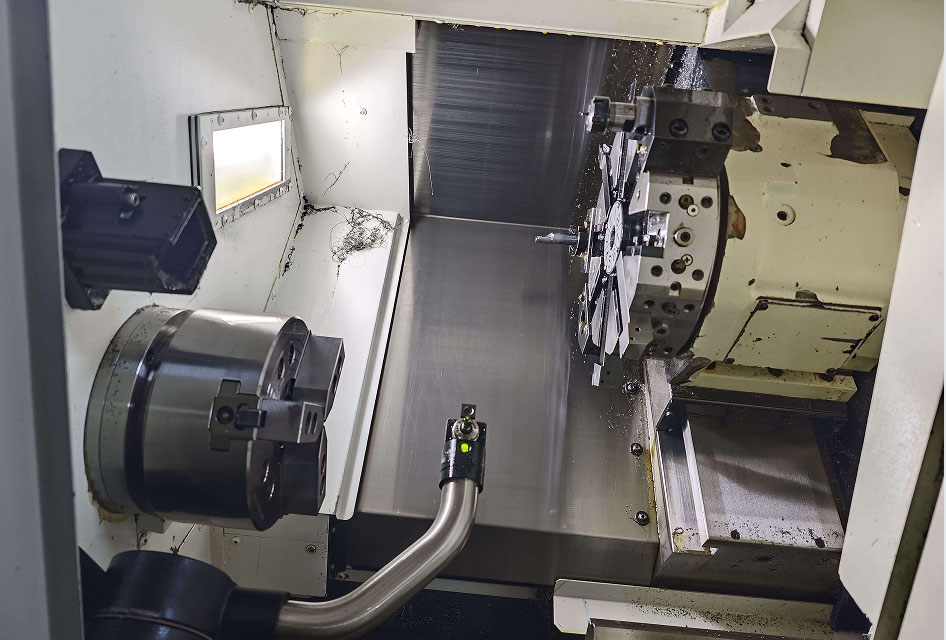
A horizontal lathe comprises several key parts, each playing a critical role in its operation:
| Part | Function |
|---|---|
| Bed | Provides stability and alignment. |
| Chuck | Holds the workpiece securely. |
| Carriage | Moves tools along the workpiece. |
| Spindle | Rotates the workpiece at high speed. |
| Tailstock | Supports longer workpieces. |
Proper maintenance of horizontal lathes is essential for ensuring longevity and optimal performance. Key maintenance tips include:
- Regular Cleaning: Keep the lathe free from debris and chips to prevent contamination and wear.
- Lubrication: Regularly lubricate moving parts to reduce friction and wear.
- Calibration: Periodically check and calibrate the lathe to maintain accuracy.
- Inspection: Conduct routine inspections for signs of wear or damage, addressing issues promptly to avoid costly repairs.
By following these maintenance practices, operators can extend the lifespan of their horizontal lathes and maintain high levels of productivity.
What Safety Precautions Should Be Taken When Using a Horizontal Lathe?
Safety is paramount when operating any machinery, including horizontal lathes. Key safety precautions include:
- Personal Protective Equipment (PPE): Always wear safety glasses, gloves, and appropriate clothing to protect against flying debris and sharp tools.
- Machine Familiarization: Operators should thoroughly understand the machine’s functions and controls before operation.
- Workspace Organization: Keep the workspace clear of clutter to prevent accidents and ensure easy access to emergency shut-off controls.
- Emergency Protocols: Familiarize yourself with emergency procedures and ensure that safety devices, such as guards and shields, are in place.
By adhering to safety guidelines, operators can minimize risks and create a safer working environment.
What are the Future Trends in Horizontal Lathe Technology?
The future of horizontal lathes looks promising, with several trends shaping the industry:
- Increased Automation: The rise of Industry 4.0 is driving the integration of IoT and automation technologies in lathe operations, enhancing efficiency and data collection.
- Advanced Materials: As new materials emerge, horizontal lathes will adapt to work with these innovations, expanding their applications.
- Sustainability: The focus on sustainability in manufacturing is leading to the development of energy-efficient lathes that reduce waste and energy consumption.
These trends indicate a shift towards smarter, more sustainable machining processes, ensuring that horizontal lathes remain relevant and valuable in the manufacturing landscape.
FAQs
How do you choose the right lathe for your needs?
Consider the type of materials you will be working with, the complexity of the parts you need to machine, and whether you require manual or CNC capabilities.
How do horizontal lathes differ from milling machines?
Horizontal lathes rotate the workpiece, while milling machines rotate the cutting tool.
What maintenance tasks should be performed regularly?
Regular cleaning, lubrication, calibration, and inspection are essential maintenance tasks to keep a horizontal lathe in optimal condition.
What safety gear is recommended when operating a horizontal lathe?
Wearing safety glasses, gloves, and appropriate clothing is crucial to protect against potential hazards while operating a lathe.
How do I improve machining accuracy?
Regular calibration, high-quality tools, and CNC programming precision can help.
Comments
Latest Posts
Related Blogs
Senyo’s blog is focused on sharing our extensive knowledge of prototype manufacturing. Through our articles, we aim to support you in refining your product design and navigating the complexities of rapid prototyping more effectively.