Medical Injection Molding: The Future of Device Manufacturing
Table of Contents
Conclusion
Medical injection molding is at the heart of modern medical device manufacturing, pivoting in producing essential medical parts and products. This advanced process involves creating plastic parts by injecting molten plastic into a mold, which cools and solidifies into the desired shape. From syringes and surgical tools to implants and diagnostic devices, medical injection molding has revolutionized the way medical devices are designed, produced, and delivered to improve patient care.
In this article, we explore how medical injection molding has transformed the medical industry, its importance in producing medical-grade plastic parts, and the benefits of this process for manufacturers and healthcare providers alike. We’ll dive into the various applications of injection molding in the medical field, the materials used, and the key factors to consider when selecting the right molding process for medical devices. If you want to understand the intricacies of medical injection molding and how it impacts the healthcare industry, this is the guide for you.

What is Metal Rapid Prototyping?
What is medical injection molding?
Medical injection molding is a manufacturing process used to produce medical devices and components by injecting molten plastic into a mold. This process is highly valued for its ability to create complex shapes with high precision and repeatability. Unlike other molding techniques, injection molding is particularly suited for high-volume production, making it ideal for the medical industry where consistency and reliability are paramount.
How does it differ from other molding processes?
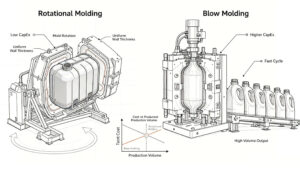
Injection molding stands out due to its efficiency and the quality of the finished products. While other methods like compression molding or blow molding have their uses, injection molding offers superior control over the manufacturing process, allowing for intricate designs and tight tolerances. This precision is crucial in the medical field, where even minor deviations can impact device performance and patient safety.
The Role of Plastic in Medical Injection Molding
Why is plastic preferred in medical devices?
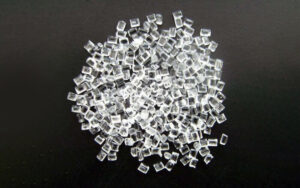
Plastic is a preferred material in medical device manufacturing due to its versatility, durability, and cost-effectiveness. It can be easily molded into complex shapes, is lightweight, and offers excellent chemical resistance. Additionally, plastics can be sterilized, making them suitable for a wide range of medical applications.
Types of plastics used in medical applications
Several types of plastics are commonly used in medical device manufacturing, each chosen for its specific properties:
- Polycarbonate: Known for its strength and transparency, ideal for surgical instruments and IV components.
- Polyethylene: Offers flexibility and chemical resistance, used in tubing and containers.
- Polypropylene: Resistant to heat and chemicals, often used in syringes and medical pouches.
Advantages of Medical Injection Molding
Cost-effectiveness and efficiency
Medical injection molding is highly cost-effective, especially for large production runs. The initial investment in molds is offset by the low per-unit cost of production. This efficiency is crucial in the medical industry, where devices must be produced at scale without compromising quality.
Precision and consistency in production
Medical injection molding provides unparalleled precision, ensuring that each part meets exact specifications. This consistency is vital for medical devices, where even slight variations can lead to significant issues. The process also allows for the production of complex geometries that would be difficult or impossible to achieve with other methods.
Applications of Injection Molding in the Medical Industry
Common medical devices manufactured using injection molding
Medical injection molding is used to produce a wide range of medical devices, including:
- Syringes and needles: High-volume production with precise dimensions.
- Catheters: Complex shapes and smooth surfaces for patient comfort.
- Implants: Biocompatible materials molded to exact specifications.
Innovative uses of injection molding in healthcare
Beyond traditional devices, medical injection molding is enabling new innovations in healthcare. For example, it is used to create microfluidic devices for diagnostics and drug delivery systems that require intricate channels and features. These advancements are opening new possibilities for personalized medicine and advanced treatments.
Selecting Materials for Medical Plastic Injection Molding
Criteria for choosing medical-grade plasticsWhen selecting materials for medical injection molding, several factors must be considered:
- Biocompatibility: The material must not cause adverse reactions in the body.
- Sterilizability: It should withstand sterilization processes without degrading.
- Mechanical properties: The material must meet the strength and flexibility requirements of the application.
Popular materials and their properties
- Polyetheretherketone (PEEK): High strength and biocompatibility, used in implants.
- Silicone: Flexible and resistant to extreme temperatures, ideal for seals and gaskets.
- Acrylic: Transparent and impact-resistant, used in lenses and diagnostic equipment.
Types of Injection Molding Used in the Medical Industry
Standard Injection Molding vs. Specialized Molding Techniques
In addition to traditional injection molding, specialized techniques such as gas-assisted injection molding and multi-shot molding are gaining popularity in the medical industry. Gas-assisted injection molding involves injecting gas into the molten plastic to create hollow parts, which can be particularly useful for creating lightweight and complex shapes. Multi-shot molding allows different materials to be injected into the same part, enabling the production of multi-material medical devices with varied properties.
Which Type of Injection Molding is Best for Medical Devices?
The choice of injection molding technique depends on the specific requirements of the medical device. For instance, gas-assisted molding is ideal for creating hollow, lightweight components, while multi-shot molding is perfect for devices that require different material properties in a single part. Manufacturers must select the most appropriate molding technique based on the complexity of the design and the functional requirements of the device.
The Medical Injection Molding Process
Step-by-step overview of the injection molding process
- Design and prototyping: Create a detailed design and prototype to test functionality.
- Mold creation: Develop a mold based on the design, typically made from steel or aluminum.
- Injection: Inject molten plastic into the mold under high pressure.
- Cooling: Allow the plastic to cool and solidify in the mold.
- Ejection: Remove the finished part from the mold.
- Finishing: Perform any necessary post-processing, such as trimming or assembly.
Quality control measures in medical device manufacturingQuality control is critical in medical injection molding. This includes rigorous testing of materials, regular inspection of molds, and thorough examination of finished products. Advanced techniques like automated inspection and real-time monitoring help ensure that every part meets the highest standards of quality and safety.
Challenges and Solutions in Medical Injection Molding
Common challenges faced in the industryThe medical injection molding industry faces several challenges, including:
- Regulatory compliance: Meeting stringent regulations and standards.
- Material selection: Choosing the right material for specific applications.
- Process optimization: Ensuring efficiency and minimizing waste.
Innovative solutions and technologiesTo address these challenges, companies are adopting new technologies such as:
- Automation: Reducing human error and increasing production speed.
- Simulation software: Optimizing designs and processes before production.
- Sustainable practices: Using eco-friendly materials and reducing energy consumption.
Case Studies: Successful Medical Injection Molding Projects
Real-world examples of injection molding in medical device production
One notable example is the production of insulin pens, which require precise dosing mechanisms and ergonomic designs. Injection molding allows for the mass production of these devices with consistent quality, ensuring that patients receive accurate doses every time.
Lessons learned and best practices
Successful projects highlight the importance of collaboration between designers, engineers, and manufacturers. By working together, teams can overcome challenges and create innovative solutions that meet the needs of the medical industry.
Future Trends in Medical Injection Molding
Emerging technologies and innovationsThe future of medical injection molding is bright, with several exciting trends on the horizon:
- 3D printing integration: Combining injection molding with 3D printing for rapid prototyping and customization.
- Smart materials: Developing materials that respond to environmental changes for advanced medical applications.
- Digital twins: Using digital replicas of physical devices to optimize design and manufacturing processes.
The impact of digitalization and automationDigitalization and automation are transforming the medical injection molding industry. By leveraging data and advanced analytics, companies can improve efficiency, reduce costs, and enhance product quality. This shift is paving the way for more personalized and effective medical devices.
FAQs
What are the environmental impacts of medical injection molding?
While injection molding is energy-intensive, advancements in technology are reducing its environmental footprint. Companies are adopting sustainable practices, such as using recycled materials and optimizing energy use, to minimize their impact.
How does injection molding ensure the safety of medical devices?
Injection molding ensures safety through rigorous quality control measures, including material testing, process monitoring, and product inspection. These steps help ensure that every device meets the highest standards of safety and performance.
What are the regulatory requirements for medical injection molding?
Medical injection molding must comply with strict regulations, such as ISO 13485 and FDA guidelines. These standards ensure that devices are safe, effective, and manufactured consistently.
How does injection molding compare to 3D printing in medical applications?
While 3D printing offers flexibility and rapid prototyping, injection molding is more suitable for high-volume production. Both technologies have their place in the medical industry, often complementing each other in the development and manufacturing process.
What is the lifespan of injection molded medical devices?
The lifespan of injection molded medical devices depends on the material used and the application. Generally, these devices are designed to be durable and long-lasting, with many able to withstand repeated use and sterilization.
Comments
Latest Posts
Related Blogs
Senyo’s blog is focused on sharing our extensive knowledge of prototype manufacturing. Through our articles, we aim to support you in refining your product design and navigating the complexities of rapid prototyping more effectively.