Metal Rapid Prototyping: Fast, Precise Solutions for Design
Table of Contents
Conclusion
Metal rapid prototyping has transformed the way products are developed, enabling designers and engineers to create high-precision metal prototypes at unprecedented speed. Whether for automotive, aerospace, or consumer products, this advanced methodology offers significant advantages, from cost savings to shorter production timelines. In this article, we’ll explore the tools, techniques, and benefits of metal rapid prototyping, making it a valuable resource for anyone involved in manufacturing or product development.

What is Metal Rapid Prototyping?
Metal rapid prototyping is a manufacturing process that involves creating metal prototypes quickly and efficiently. This technique utilizes advanced technologies such as 3D printing, CNC machining, and other rapid manufacturing methods to produce high-quality metal components. Unlike traditional prototyping methods, which can be time-consuming and costly, metal rapid prototyping enables faster turnaround times and reduces the risk of errors.The process is particularly useful in industries such as aerospace, automotive, and medical devices, where precise and functional prototypes are essential for testing and validation. By applying metal rapid prototyping, companies can bring their products to market more quickly while maintaining high standards of quality and performance.
How Does Metal Rapid Prototyping Work?
Metal rapid prototyping typically involves several key steps:
- Design Creation: The process begins with creating a detailed 3D model using CAD software. This digital representation serves as the blueprint for the prototype.
- Material Selection: Selecting the appropriate metal material is crucial for the prototype’s intended use. Common options include aluminum, stainless steel, and titanium.
- Fabrication: The prototype is fabricated using one of several methods, such as metal 3D printing (like Direct Metal Laser Sintering), CNC machining, or sheet metal forming.
- Post-Processing: After fabrication, the prototype may undergo additional processes such as polishing, coating, or assembly to achieve the desired finish and functionality.
This structured approach allows for quick iterations, enabling designers to refine their prototypes based on testing and feedback effectively.
What Are the Advantages of Metal Rapid Prototyping?
Metal rapid prototyping offers numerous advantages, including:
- Speed: One of the most significant benefits is the rapid turnaround time, allowing for quick production and testing of prototypes.
- Cost-Effectiveness: Early detection of design flaws can save significant costs associated with material waste and rework.
- Precision and Accuracy: Advanced manufacturing techniques enable the production of high-tolerance parts, essential for applications requiring strict specifications.
- Flexibility: Design changes can be easily accommodated during the prototyping process, allowing for creative exploration and innovation.
These advantages make metal rapid prototyping an attractive solution for businesses looking to enhance their product development cycles.
What Techniques Are Used in Metal Rapid Prototyping?
Several techniques are commonly employed in metal rapid prototyping:
- 3D Printing: Metal 3D printing technologies, such as Direct Metal Laser Sintering (DMLS) and Selective Laser Melting (SLM), allow for the layer-by-layer construction of complex metal parts.
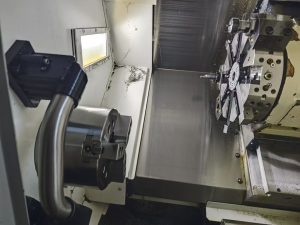
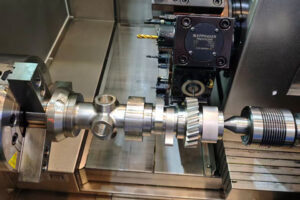
- CNC Machining: This subtractive manufacturing method uses computer-controlled tools to carve parts from solid metal blocks, providing high precision and repeatability.
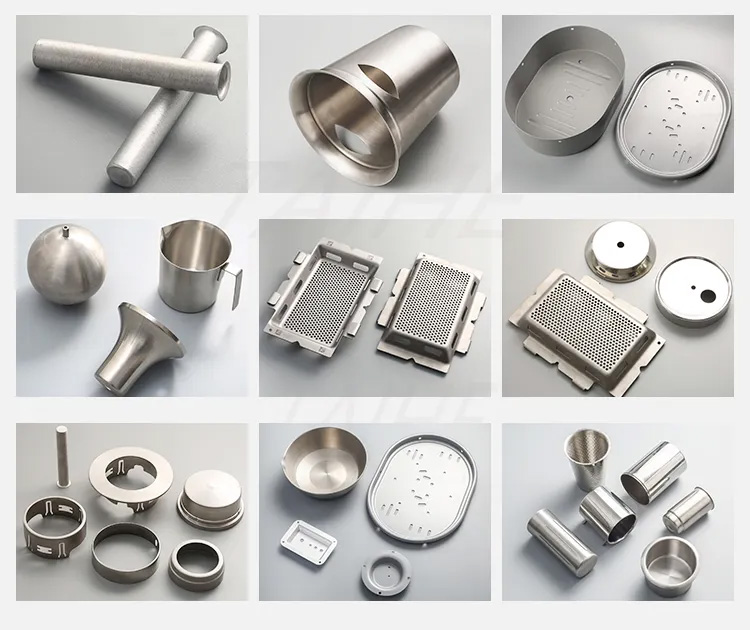
- Sheet Metal Fabrication: Techniques like laser cutting, bending, and welding are used to create prototypes from sheet metal, which is particularly advantageous for creating housings and brackets.
Each technique has its specific applications and benefits, making it essential to choose the right method based on project requirements.
How is Metal Prototyping Different from Traditional Prototyping?
Metal prototyping differs from traditional prototyping methods in several key aspects:
- Material Properties: Metal prototypes typically offer greater strength and durability compared to plastic prototypes, making them suitable for functional testing.
- Production Speed: Metal rapid prototyping techniques can significantly reduce production times compared to traditional methods, which often require extensive setup and tooling.
- Design Complexity: Advanced prototyping techniques enable the fabrication of complex geometries that would be difficult or impossible to achieve with traditional methods.
These differences highlight the advantages of metal prototyping in meeting the demands of modern manufacturing.
What Are the Material Options for Metal Rapid Prototyping?
When it comes to metal rapid prototyping, various material options are available, including:
- Aluminum: Known for its lightweight and corrosion-resistant properties, aluminum is widely used in aerospace and automotive applications.
- Stainless Steel: This material offers excellent strength and resistance to corrosion, making it ideal for medical devices and industrial equipment.
- Titanium: Recognized for its high strength-to-weight ratio and biocompatibility, titanium is often used in aerospace and medical applications.
Choosing the right material is crucial, as it directly impacts the prototype’s performance and suitability for its intended use.
How Do You Make a Metal Prototype?
Making a metal prototype involves several steps:
- Conceptualization: Begin by defining the product’s purpose and requirements. This step is critical for ensuring the design meets user needs.
- CAD Modeling: Create a detailed 3D model using CAD software, focusing on dimensions, tolerances, and functional features.
- Select a Prototyping Method: Choose the appropriate method based on the design complexity, material, and end-use requirements.
- Fabrication: Work with a rapid prototyping service to fabricate the prototype, ensuring quality control throughout the process.
- Testing and Iteration: Conduct thorough testing to evaluate the prototype’s performance and make necessary adjustments before final production.
This comprehensive approach ensures the successful development of a functional and high-quality metal prototype.
What Role Does Sheet Metal Play in Rapid Prototyping?
Sheet metal plays a significant role in rapid prototyping, particularly for creating parts that require flat surfaces and precise dimensions. Techniques such as laser cutting and bending allow for the rapid fabrication of sheet metal prototypes, which are often used in various industries, including automotive and electronics.The advantages of sheet metal include:
- Cost-Effectiveness: Sheet metal prototypes can be produced quickly and economically, making them ideal for low-volume production runs.
- Versatility: Sheet metal can be easily formed into various shapes and sizes, allowing for creative design solutions.
By leveraging sheet metal in rapid prototyping, companies can create functional parts that meet stringent quality and performance standards.
How Do Rapid Prototyping Services Support Metal Manufacturing?
Rapid prototyping services, provide essential support for metal manufacturing by offering a range of services tailored to meet specific project needs. These services typically include:
- Design Consultation: Experts can provide guidance on design optimization to ensure manufacturability and functionality.
- Rapid Production: These services specialize in quick turnaround times, allowing for faster feedback and iteration cycles.
- Quality Assurance: Many rapid prototyping services incorporate rigorous quality control measures to ensure prototypes meet the required specifications.
Utilizing these services can significantly enhance the efficiency and effectiveness of the metal prototyping process.
What Are Common Applications of Metal Rapid Prototyping?
Metal rapid prototyping finds applications across various industries, including:
- Aerospace: Prototypes are used to test components such as brackets, housings, and engine parts, where precision and reliability are critical.
- Automotive: Manufacturers use metal rapid prototyping to develop parts for vehicles, including chassis components and engine parts.
- Medical Devices: Rapid prototyping is essential for creating surgical instruments and implants that require high precision and biocompatibility.
These applications demonstrate the versatility and importance of metal rapid prototyping in modern manufacturing.
FAQs
What Are Common Applications of Metal Rapid Prototyping?
Metal rapid prototyping is a manufacturing process that allows for the swift creation of metal prototypes using advanced technologies like 3D printing and CNC machining.
How does metal rapid prototyping differ from plastic prototyping?
Metal rapid prototyping generally offers greater strength and durability compared to plastic prototypes, making it suitable for functional testing in demanding applications.
What are the main advantages of using sheet metal in prototyping?
Sheet metal is cost-effective, versatile, and allows for quick production of prototypes with precise dimensions.
How can I choose the right prototyping method for my project?
Consider factors such as design complexity, material requirements, and intended use when selecting a prototyping method.
What industries benefit from metal rapid prototyping?
Industries such as aerospace, automotive, and medical devices frequently utilize metal rapid prototyping for its precision and efficiency.
Comments
Latest Posts
Related Blogs
Senyo’s blog is focused on sharing our extensive knowledge of prototype manufacturing. Through our articles, we aim to support you in refining your product design and navigating the complexities of rapid prototyping more effectively.