Unlock Your Vision: Expert Prototype Manufacturing for Creative Designers
Table of Contents
Are you a creative designer ready to transform your innovative concepts into tangible, market-ready products? The journey from idea to reality often hinges on the critical step of prototype manufacturing.
At Senyorapid, we understand the unique needs of designers and offer comprehensive manufacturing services to bring your visions to life. This guide explains how we can help you navigate the prototype to production process, choose the right manufacturing methods, and ensure a successful product launch. Discover how our expertise can help you turn your product prototype into a successful venture.
Why is Prototype Manufacturing Essential for Creative Designers?
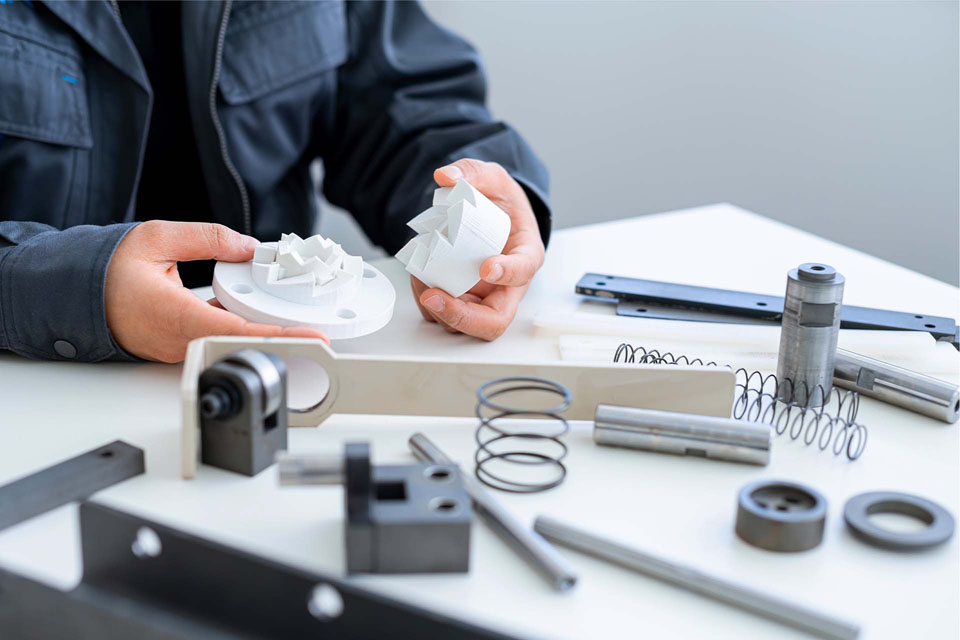
For creative designers, the ability to manufacture a prototype is more than just a step in the product development process—it’s the key to bringing a new product idea to life. A prototype is a tangible representation of your design vision, allowing you to validate your ideas, identify potential issues, and refine your product design before committing to mass production. It’s a physical prototype that moves your concepts from the digital to the real world.
Without prototype manufacturing, your designs remain abstract concepts on paper or on a computer screen. By creating a prototype, you can test the functionality, aesthetics, and manufacturability of your product. This crucial step enables you to gather valuable feedback, make necessary improvements, and ensure that the final product meets the needs of your target market. A prototype is a vital tool for moving your designs towards market launch. It’s the first step to get your product to market.
What is the Complete Prototype to Production Process?
The prototype to production process is a journey that transforms your initial concept into a marketable product. This starts with the design phase, where you refine your vision and create detailed plans. Once the design is finalized, the prototyping phase begins, during which you manufacture one or more prototypes to test your design. This is an iterative process, involving testing and refinement, where you continually improve your prototype based on feedback and performance evaluations.
After validation of the prototype, you move to the pre-production phase where you create a manufacturing plan and obtain necessary tooling or molds. The final stage is the production process, where you begin mass production of your product. This whole process needs to be followed carefully for a successful product launch. At Senyorapid we can guide you through the whole prototype to production process efficiently and effectively.
How to Choose the Right Prototyping Method for Your Product Prototype?
Selecting the right prototyping method is crucial for achieving the best results. The best choice depends on various factors, including the complexity of your design, the required materials, desired tolerances, the quantity needed and the intended application of your product. If you’re looking for speed and flexibility, you may want to consider 3D printing, also known as additive manufacturing. If you need precise molded parts with excellent surface finish, injection molding is a good option. For robust and accurate prototypes, CNC machining may be the best choice. The best choice for you, depends on your specific needs.
When choosing the right prototyping, consider the purpose of your prototype. Is it for testing the functionality of the product, or is it for showcasing its design? You should also consider the materials and manufacturing methods that will be used for the final product as it’s beneficial if the prototype mirrors that to a degree. At Senyorapid, we have the experience and expertise to help you choose the most appropriate manufacturing method for your particular project. We are able to help you to build a great prototype.
When Should You Consider 3D Printing for Prototype Creation?
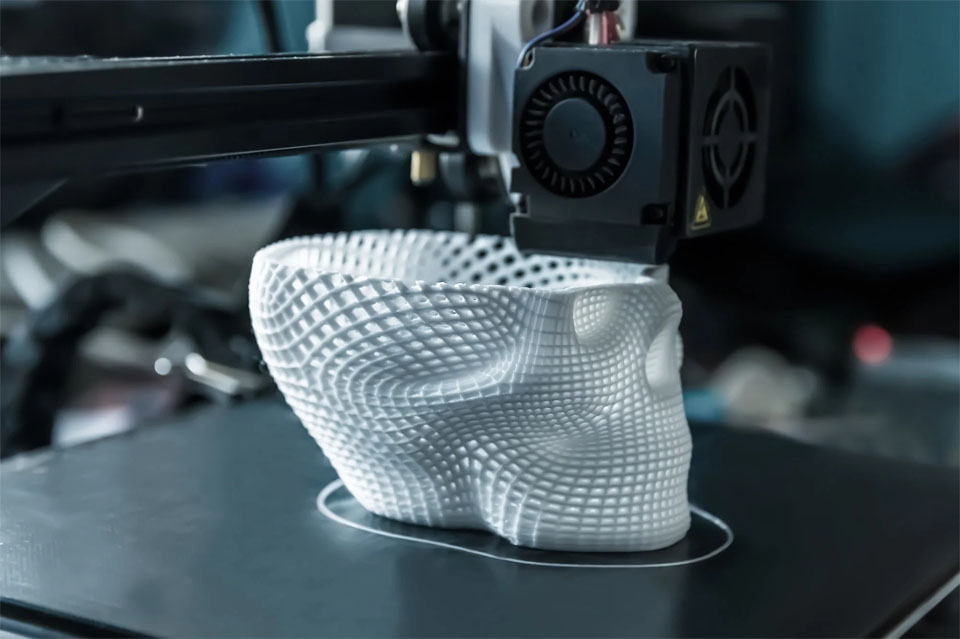
3D printing has become a powerful tool for prototype manufacturing, offering unparalleled flexibility and speed in the creation of rapid prototypes. Also known as additive manufacturing process, it’s particularly useful for creating prototypes with complex geometries that would be difficult or impossible to produce using traditional methods. If your design involves intricate curves, internal features, or customized shapes, 3D printing is definitely a great option.
3D printing is also ideal when you need to iterate quickly. Because you can print prototypes in hours rather than weeks or months, you can rapidly test different design variations and make necessary improvements. This is a cost-effective way to produce early prototypes and refine your design. It is an essential part of the modern prototyping process.
How Can Injection Molding Help You Produce High-Quality Prototypes?
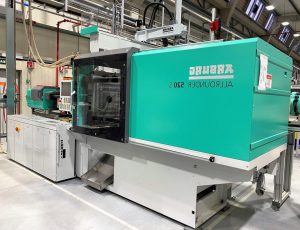
While often associated with mass production, injection molding can also be a great option for producing high-quality prototypes, particularly if your final product will be manufactured using the same method. Injection molding involves injecting molten plastic or other materials into a mold to create identical parts with excellent dimensional accuracy and a smooth surface finish. This makes it a great option when you need prototypes that closely resemble the final product in terms of quality and aesthetics.
Although injection molding requires an initial investment in tooling, it can be a cost-effective choice for creating a larger number of prototype parts. If you know that you will need a high volume of prototypes for testing, or if you are looking for parts that mirror your final production exactly, injection molding may be the perfect choice. The result will be high quality molded parts.
What are the Advantages of Using CNC Machines for Prototype Manufacturing?
CNC (machine), or Computer Numerical Control, machining is another powerful method for prototype manufacturing, offering precision and versatility. With CNC machining, parts are created by removing material from a solid block using computer-controlled cutting tools. This makes it a great way to produce prototype parts with tight tolerances and excellent dimensional accuracy, making it suitable for creating working prototypes that will need to be tested for performance and reliability.
CNC machining allows you to use a wide range of materials including metals, plastics, and composites. This means that you can create prototypes using materials that are close to those used in the final production of your part. This method is great if you need prototypes for functional testing or if you need a prototype made from a very specific material. Our experienced machinists are able to produce high-quality parts with our machines.
What are the Key Considerations in the Product Development Process?
The product development process is a complex journey that requires careful planning and consideration. One key factor is understanding your target audience and their needs. Who is your product for? What problems does it solve? This helps guide the design process and ensures your prototype aligns with the needs of your customers. It’s also important to consider manufacturability early on. This means designing your product in a way that is both functional and easily manufactured.
Another key consideration is the selection of materials. You need to choose materials that are not only fit for purpose but also cost-effective and available. You should also consider the environmental impact of your materials and manufacturing methods. Finally, you should test your product thoroughly before moving to mass production. Testing will ensure that your product works as intended and is of high quality. A thoughtful approach to the product development process is the way to a successful product.
What to Look For When Choosing Prototype Manufacturing Companies?
When selecting a prototype manufacturing company, there are several factors to keep in mind. First, you must consider the company’s experience and expertise. Do they have a proven track record of producing high-quality prototypes in your industry? It’s important to find companies that build prototypes that are well-versed in the different manufacturing methods you may need. You also need to review the range of services they offer, including design assistance, material selection, and manufacturing.
Communication is also a key factor. Choose a manufacturing partner who keeps you informed throughout the process and is responsive to your needs. They should be willing to collaborate with you to ensure that your prototype meets your specifications. Finally, you need to take their turnaround time and pricing into account. You need a prototype manufacturer that offers the right balance of quality, speed and value. Choosing the right prototyping companies will determine your success.
How Does Digital Manufacturing Enhance the Prototyping Process?
Digital manufacturing is transforming the prototyping process by enabling faster iteration, more flexible designs, and reduced costs. By using computer-aided design (CAD) and computer-aided manufacturing (CAM) tools, you can create prototypes directly from digital models, eliminating the need for time-consuming traditional methods. With digital manufacturing you can also create more complex and intricate designs.
Digital manufacturing allows for greater flexibility, as design changes can be made quickly and easily to the digital model, making it easier to experiment and test different design variations. It also facilitates a seamless transition from the prototyping phase to final production. This advanced technology is changing how prototypes are made.
What are the Key Factors Influencing Prototype Manufacturing Costs?
Several factors can influence the cost of prototype manufacturing. The complexity of your design is one of the key drivers. Highly intricate designs and complex geometries will require more sophisticated manufacturing techniques, leading to higher costs. The materials you choose will also have a significant impact. Specialized materials or those with higher costs will naturally increase the prototype’s overall price.
The manufacturing method you choose will also impact the final cost, as processes like injection molding, although more suitable for volume, often carry higher upfront costs for tooling than 3D printing. Also, the number of prototype parts that you need and the lead time that you require will have a big impact on the cost. You should compare prices between different prototyping companies to ensure that you find the right balance of cost and quality.
FAQs
How can I reduce the cost of prototype manufacturing?
Simplify your design, use common materials, choose the most appropriate manufacturing method, and plan ahead to avoid rush orders.
Is it possible to test the manufacturability of my design during the prototyping process?
Yes, prototypes should always be built with the actual manufacturing process in mind to identify potential issues before moving to production.
How can I ensure a successful product launch?
Thoroughly test your prototype, create a detailed bill of materials, choose the right manufacturing partner, and plan your marketing and distribution strategy.
What’s the difference between protolabs and your services?
While protolabs is a well-known prototyping company, at Senyorapid, we pride ourselves on offering personalized service, expert guidance, and a commitment to helping you bring your specific vision to life.
Conclusion
- Prototype manufacturing is a vital step in bringing your creative vision to life, ensuring your product meets the needs of your target audience.
- The prototype to production process involves several key stages: design, prototype creation, testing, and finally mass production.
- Choosing the right prototyping method requires an understanding of your design complexity, material requirements, and intended application.
- 3D printing is ideal for creating rapid prototypes with intricate geometries, while injection molding is better for high-volume runs of precise parts.
- CNC machining provides accurate production parts with a wide range of materials.
- Careful planning, material selection, testing, and a reliable manufacturing partner can ensure a smooth transition from prototype to market.
- Digital manufacturing allows you to rapidly iterate and test your prototypes.
- Several factors, including design, materials, and quantity, will influence the cost of prototype manufacturing.
Ready to take your innovative design from concept to reality? Partner with Senyorapid and let us guide you through the prototype manufacturing process. We’ll help you bring your product to market faster. Contact us today to discuss your project and receive a customized quote! You can learn more about our prototype manufacturing services on our website. See our approach to injection molding for your high volume needs. If you need to start with early stage concepts see our approach to 3d printing. Learn about different materials on our sheet metal fabrication page. If you need high precision machined parts check out our CNC machining services. For specialized projects in robotics, see our robot prototyping page. Let’s work together to make your product a success!
Comments
Latest Posts
Related Blogs
Senyo’s blog is focused on sharing our extensive knowledge of prototype manufacturing. Through our articles, we aim to support you in refining your product design and navigating the complexities of rapid prototyping more effectively.