Rapid Manufacturing Services: From Prototypes to Production
Table of Contents
Conclusion
In today’s fast-paced industrial landscape, rapid manufacturing services are revolutionizing the way products are brought to market. This article explores how these services streamline the journey from prototype to production, enabling companies to deliver manufacturing solutions with unparalleled speed and quality. Whether you’re an engineer, designer, or business owner, understanding rapid manufacturing can significantly enhance your project efficiency and innovation potential.
- Rapid manufacturing services streamline the transition from prototype to production, enhancing efficiency and speed.
- Technologies like 3D printing and CNC machining are pivotal in modern manufacturing solutions.
- On-demand production offers significant advantages, allowing for customization and reduced waste.
- Choosing the right manufacturing partner can make a substantial difference in project success.
By understanding the intricacies of rapid manufacturing services, businesses can position themselves for growth and innovation in an ever-evolving market.

What Are Rapid Manufacturing Services?
Rapid manufacturing services refer to the ability to produce components and prototypes quickly and efficiently, typically in response to the specific needs of a project. These services are powered by advanced technologies like 3D printing, CNC machining, and injection molding, among others. The aim is to reduce lead times, enhance precision, and create functional parts or models in a fraction of the time that traditional manufacturing methods require.
Rapid manufacturing can be used for various applications, including prototyping, small-scale production, and even large-scale manufacturing. By leveraging these services, companies can reduce time-to-market, minimize costs, and foster innovation.
How Does Rapid Manufacturing Differ from Traditional Manufacturing?
The fundamental difference between rapid and traditional manufacturing lies in speed and flexibility. Traditional manufacturing processes often involve lengthy setup times, complex tooling, and long production cycles. These methods are designed for mass production, making them less suited for quick iterations or low-volume runs.
In contrast, rapid manufacturing utilizes digital technologies that allow for on-demand production with minimal setup and tooling. As a result, businesses can quickly test prototypes, make design changes, and scale production based on real-time feedback.
Key Differences:
- Time: Rapid manufacturing drastically reduces lead times compared to traditional methods.
- Flexibility: It allows for more iterations and customization with less effort.
- Cost: Lower upfront investment in tooling and setup, making it more cost-effective for small production runs.
What Are the Key Benefits of Rapid Manufacturing Services?
The advantages of rapid manufacturing services are numerous. Here are a few key benefits:
- Speed and Efficiency: Rapid manufacturing allows for faster turnaround times. Products can move from concept to market in a fraction of the time.
- Cost Savings: Reducing the time in development leads to lower costs. This efficiency is especially beneficial for startups or smaller companies looking to scale quickly.
- Flexibility: Manufacturers can easily adapt to changes in design or demand, making it easier to pivot as market conditions change.
What Makes a Reliable Company for Rapid Manufacturing Services?
Selecting the right manufacturing company for rapid services is crucial for businesses looking to gain a competitive edge. A reliable manufacturing company should offer a combination of speed, quality, and technical expertise.
Factors to Consider:
- Technological Capabilities: Ensure the company uses cutting-edge technologies that align with your needs, such as 3D printing, CNC machining, or injection molding.
- Design and Engineering Support: A good manufacturer should provide design assistance, helping you refine your prototype before production.
- Production Capacity: Make sure the company has the resources and experience to scale production as needed.
- Customer Reviews and Case Studies: Check the company’s reputation and past projects to ensure reliability and quality.
What Manufacturing Solutions Are Available Today?
Today’s market offers a variety of manufacturing solutions tailored to different industries and needs. These include:
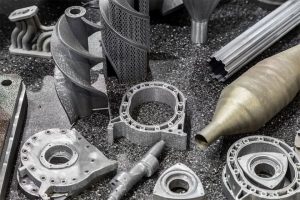
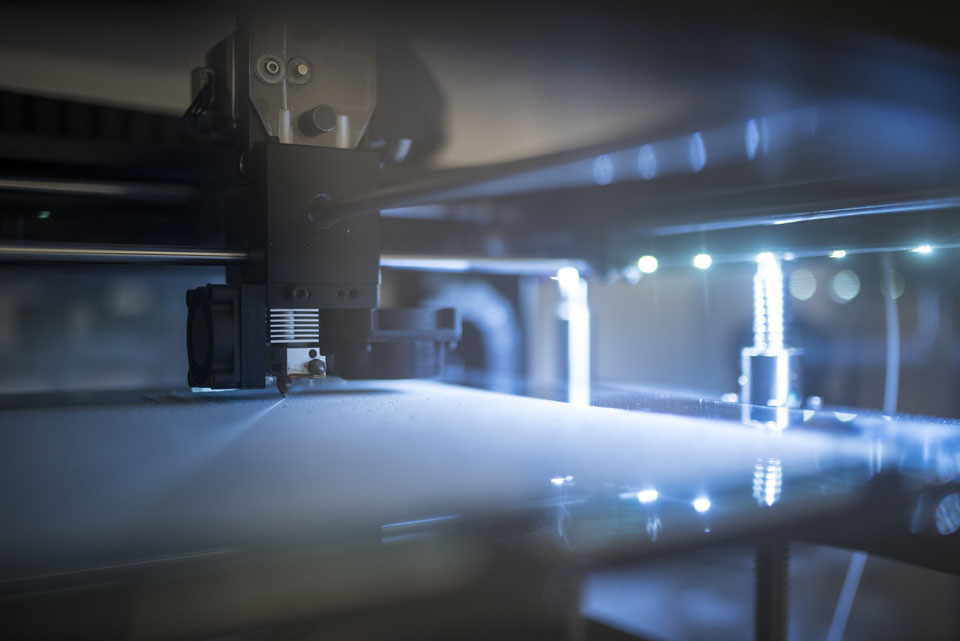
- Additive Manufacturing: Popularized by 3D printing, this technique is ideal for creating complex parts quickly.
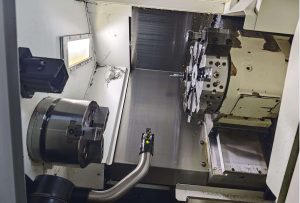
- CNC Machining: A subtractive manufacturing method that offers high precision and repeatability for metal and plastic parts.
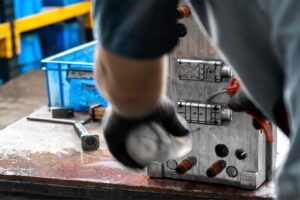
- Injection Molding: A traditional method that can now be optimized through rapid manufacturing techniques for quicker production runs.
- Sheet Metal Fabrication:one of most common manufacturing methods for metal parts and have different process such as deep drawing,stamping,laser cutting,bending and so on.
- Vacuum Casting: Especially for low-volume production normally in 20pcs and request for short lead time, vacuum casting is one of best choice.
Can Rapid Manufacturing Solutions Scale with Your Business?
One of the biggest questions for growing companies is whether rapid manufacturing can scale alongside their business. The good news is that many rapid manufacturing services are designed to be scalable, allowing businesses to go from prototype to production seamlessly.
How Scaling Works:
- Flexible Production: Rapid manufacturing services often offer a range of production options, from small batch runs to large-scale manufacturing.
- Customizable Solutions: Companies can adjust their approach based on changing demands, volume, or specific market needs.
- Integrated Supply Chains: Many rapid manufacturing companies offer end-to-end services, including sourcing, assembly, and quality control, to support larger production runs.
This scalability is especially valuable for industries that experience fluctuating demand, such as consumer electronics, medical devices, or aerospace.
How Are Rapid Manufacturing Services Transforming Aerospace?
The aerospace industry has embraced rapid manufacturing due to its unique challenges. The need for lightweight, durable components makes it an ideal candidate for techniques like 3D printing.
Case Study: Major aerospace companies have reported significant reductions in part weight and increased performance, thanks to rapid manufacturing solutions. This transformation not only enhances aircraft efficiency but also improves safety and reduces environmental impact.
What Are the Challenges of Rapid Manufacturing?
While rapid manufacturing offers numerous benefits, it is not without challenges. These include:
- Quality Control: Maintaining consistent quality across rapidly produced parts can be difficult.
- Material Limitations: Not all materials are suited for rapid manufacturing processes, limiting design options.
- Skill Gaps: There may be a shortage of skilled workers proficient in new manufacturing technologies.
How Does On-Demand Production Change the Game?
On-demand production is a game changer in rapid manufacturing. It allows companies to produce items as needed, reducing waste and inventory costs.Benefits of On-Demand Production:
- Reduced Lead Times: Companies can respond quickly to changing consumer demands.
- Customization: Customers can order tailored products without the long wait times traditionally associated with custom manufacturing.
The Future of Rapid Manufacturing: Trends and Predictions
The future of rapid manufacturing is bright, with new technologies and trends shaping the landscape. In the next few years, we can expect to see:
- More Materials: As materials science advances, new options for faster, stronger, and more cost-effective production will become available.
- Automation and AI: These technologies will continue to streamline the manufacturing process, making it even more efficient.
- On-Demand Manufacturing: More businesses will move toward on-demand production, allowing them to meet fluctuating market demands with minimal waste.
The ongoing evolution of rapid manufacturing services promises to further change how products are designed, produced, and delivered, making it an exciting time for manufacturers and consumers alike.
FAQs
What is the difference between rapid prototyping and rapid manufacturing?
Rapid prototyping focuses on creating early models or prototypes of a product, while rapid manufacturing involves producing functional parts or final products quickly.
How can rapid manufacturing help reduce costs?
By minimizing the need for expensive tooling and reducing lead times, rapid manufacturing services can lower both upfront and long-term production costs.
Can rapid manufacturing be used for mass production?
Yes, rapid manufacturing can be used for mass production, but its suitability depends on the specific needs of the project. Traditionally, rapid manufacturing has been associated with small batch production, prototyping, and quick turnarounds. However, as technology advances, it is increasingly being used for larger-scale production runs, particularly in industries where speed, customization, and complex geometries are critical.
What should I consider when selecting a rapid manufacturing partner?
Consider factors such as their experience, technological capabilities, and ability to meet your specific project requirements.
Comments
Latest Posts
Related Blogs
Senyo’s blog is focused on sharing our extensive knowledge of prototype manufacturing. Through our articles, we aim to support you in refining your product design and navigating the complexities of rapid prototyping more effectively.