Transform Your Packaging Design with Rapid Prototyping for Packaging
Table of Contents
Conclusion
In today’s competitive market, getting your product noticed on the shelf is half the battle. Packaging is your silent salesperson, and ensuring it’s perfect before hitting production is crucial. Rapid prototyping packaging is revolutionizing how brands approach package design, allowing for quick iterations, thorough testing, and ultimately, a more impactful final package. This article explores how rapid packaging can transform your design process, save you time and money, and help you deliver winning packaging solutions. Read on to discover why rapid prototyping is no longer a luxury, but a necessity for staying ahead in the packaging industry.
- Rapid prototyping for packaging is essential for faster, more efficient, and higher quality package design.
- 3D printing is a revolutionary technology in packaging prototype development, offering speed, flexibility, and design freedom.
- Rapid packaging prototypes bring numerous benefits, including reduced costs, faster time to market, and improved design quality.
- Prototypes are crucial for packaging testing and validation, ensuring functionality, user-friendliness, and market readiness.
- Partnering with a rapid prototyping expert streamlines your packaging project and maximizes the advantages of this approach.
- Asking the right questions when choosing a partner is vital for a successful packaging prototype project.
Ready to transform your packaging design process and bring your product to market with impactful and efficient packaging? Contact us today to learn more about our rapid prototyping for packaging services and how we can partner with you to achieve your packaging goals. Let us help you deliver exceptional packaging that sets your product apart.
Explore our 3D printing services for rapid packaging prototypes. Learn about our vacuum casting service for creating packaging prototypes in various materials. Discover the benefits of CNC machining for precise packaging components. See how injection molding prototypes can simulate production packaging. Understand our rapid injection molding capabilities for faster packaging prototype iterations.
Why is Rapid Prototyping Essential for Modern Package Design?
In the fast-paced world of consumer goods, the speed at which you can bring a new product to market can be the difference between success and failure. Rapid prototyping packaging design, has become an essential tool for product designers and brands alike. Gone are the days of waiting weeks or months for a single packaging prototype. Rapid prototyping packaging allows you to quickly produce tangible package prototypes within days, sometimes even hours, enabling a significantly faster design process and product launch cycle.
This speed is not just about getting to market faster; it’s about better design. Rapid prototyping allows for rapid iteration. Instead of relying solely on computer-aided design (CAD) renderings, you can hold a physical packaging prototype in your hands, assess its form, function, and visual appeal in real-time. This hands-on approach enables your design team to identify potential flaws, make necessary refinements, and improve the package design with unprecedented efficiency. It’s about moving from concept to tangible reality swiftly, ensuring that the final packaging is not just visually appealing but also functional, cost-effective, and perfectly aligned with your product and brand objectives.
What Types of Packaging Prototypes Can Be Created Rapidly?
The beauty of rapid prototyping packaging lies in its versatility. A wide array of packaging prototype types can be created rapidly, catering to diverse packaging needs and testing requirements. From initial concept models to functional samples ready for testing, rapid prototyping can deliver it all.
Here are some examples of packaging prototype types achievable with rapid prototyping:
- Concept Prototypes: These are early-stage package models, often used to visualize initial design concepts and explore different forms and aesthetics. They might be simple 3D printed models or foam mock-ups.
- Form and Fit Prototypes: These prototypes focus on the physical dimensions and shape of the package, ensuring it fits the product perfectly and is the right size for shipping and retailer shelves.
- Functional Prototypes: Functional prototypes go beyond form and fit to simulate the actual functionality of the package. This includes closures, dispensing mechanisms, protective features, and how the package performs in real-world scenarios, like during shipping or in e-commerce handling.
- Material Prototypes: Rapid prototyping can also be used to test different materials for packaging. While the exact production material may not always be used in prototyping, similar materials can be employed to assess feel, durability, and visual characteristics.
- Label and Graphics Prototypes: High-quality printing and application techniques can be used to create packaging prototypes that include realistic labels and graphics, allowing for visual testing and brand impact assessment.
- Flexible Packaging Prototypes: Even flexible packaging prototypes, such as pouches and flow wraps, can be simulated using rapid prototyping, often through techniques that mimic heat sealing and material forming.
Essentially, if you can envision it, rapid prototyping for packaging can help you create a tangible prototype to test, refine, and approve your package design.
How Can 3D Printing Revolutionize Rapid Prototyping Packaging Development?
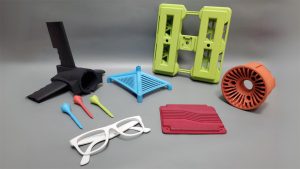
3D printing, also known as additive manufacturing, is a cornerstone of rapid prototyping packaging, and it has truly revolutionized packaging prototype development. 3D printing offers unparalleled flexibility and speed in creating complex package geometries and intricate design features that were previously challenging or impossible to achieve quickly with traditional methods.
Here’s how 3D printing is transforming rapid prototyping packaging creation:
- Design Freedom: 3D printing removes many of the design constraints associated with conventional manufactureing. Packaging designers can unleash their creativity and develop innovative and unique package shapes and structures without being limited by mold complexity or tooling costs in the prototype stage.
- Speed and Efficiency: 3D printers can instantly bring a CAD package design to life. Once the digital design is ready, the 3D printing process is automated, producing prototypes swiftly and significantly reducing lead times compared to waiting for machined or molded samples.
- Customization and Personalization: 3D printing is ideal for creating customized rapid prototyping packaging. Variations in design, size, or features can be easily implemented and printed, making it perfect for A/B testing of different packaging options or creating personalized packaging for specific customer segments.
- Cost Reduction: For low-volume prototype runs, 3D printing can drastically reduce costs. There are no setup fees for tooling or molds, making it cost-effective for creating multiple design iterations and testing various packaging solutions before committing to expensive production tooling.
- Material Versatility: While 3D printing for packaging prototypes often utilizes plastics, the range of 3D printable materials is constantly expanding. This allows for the selection of materials that closely mimic the properties of the intended production packaging material, improving the accuracy of testing and validation.
In summary, 3D printing empowers packaging designers to be more agile, innovative, and responsive to market demands, making it a core technology in modern rapid prototyping for packaging.
What are the Benefits of Rapid Prototyping Packaging for Product Development?
Integrating rapid prototyping packaging into your product development cycle brings a wealth of benefits that can significantly improve your product launch success and long-term market performance. These benefits span across various aspects of the design process, from cost savings to enhanced customer service.
Here are some key advantages:
- Faster Time to Market: By accelerating the packaging design process, rapid prototypes help you bring your products to market faster. Reduced lead times for prototypes translate directly into a quicker overall product development timeline.
- Reduced Costs: Identifying and resolving design flaws early through prototype testing can prevent costly mistakes in mass production. Rapid prototyping minimizes rework, reduces material waste, and optimizes the design for efficient manufacture, leading to significant cost savings in the long run.
- Improved Design Quality: Tangible packaging prototypes allow for a more thorough evaluation of design aesthetics, functionality, and ergonomics. Real-world testing and feedback on prototypes lead to a higher quality final package that better meets customer needs and market demands.
- Enhanced Communication and Collaboration: Packaging prototypes serve as excellent communication tools for your internal team, as well as with external suppliers, retailers, and clients. A physical prototype is far more effective than digital renderings in conveying design intent and gathering clear, actionable feedback.
- Risk Mitigation: Rapid prototyping helps mitigate risks associated with new product launches. By testing packaging performance, consumer acceptance, and logistical aspects early on, you can identify and address potential issues before committing to full-scale production.
- Increased Innovation and Creativity: The speed and flexibility of rapid prototyping encourage experimentation and creativity. Designers are empowered to explore more innovative packaging solutions, knowing that they can quickly produce and test their ideas.
- Sustainability Improvements: Rapid prototyping facilitates the exploration of sustainable materials and efficient packaging designs. You can test and refine sustainable packaging prototypes to optimize material usage and minimize environmental impact.
In essence, rapid prototyping packaging is not just about creating a sample; they are about de-risking your product development, enhancing your design quality, and ultimately, helping your product succeed in the market.
How Does Rapid Prototyping Aid in Packaging Testing and Validation?
Testing and validation are critical steps in the packaging design process, and rapid prototyping plays a pivotal role in making these stages more efficient and effective. Rapid prototyping packaging techniques provide tangible samples for a wide range of testing procedures, ensuring that the final package meets all functional and performance requirements.
Here’s how rapid prototyping aids in packaging testing and validation:
- Physical Performance Testing: Packaging prototypes can be subjected to physical testing to evaluate their structural integrity, durability, and protective capabilities. This includes drop testing, compression testing, vibration testing, and burst testing, simulating real-world handling and shipping conditions.
- User Experience Testing: Prototypes allow for user experience testing, assessing how consumers interact with the package. This can involve usability studies, focus groups, and testing with target demographics to gather feedback on ease of opening, closing, dispensing, and overall user-friendliness.
- Shelf Impact Testing: Packaging prototypes, especially those with printed labels and graphics, can be used for shelf impact testing. This involves placing prototypes in a simulated retail environment to evaluate visual appeal, brand visibility, and how the package stands out amongst competitors.
- Environmental Testing: Prototypes can be exposed to different environmental conditions, such as temperature variations, humidity, and UV light, to assess material stability, ink adhesion, and overall package performance under varying climates.
- Transportation Testing: Packaging prototypes can be used to simulate transportation scenarios, including vibration, shocks, and stacking pressures, to ensure that the package adequately protects the product during shipping and handling.
- Regulatory Compliance Testing: In certain industryes, packaging must meet specific regulatory standards. Rapid prototypes can be used to test for compliance with these regulations, ensuring that the package meets all necessary legal and safety requirements.
By providing readily available packaging prototypes for these testing procedures, rapid prototyping accelerates the validation process, allowing for data-driven design refinement and ensuring that the final packaging is robust, functional, and market-ready.
How Can a Rapid Prototyping Partner Streamline Your Packaging Project?
Working with a rapid prototyping partner specializing in packaging can significantly streamline your packaging project and unlock even greater benefits from this powerful approach. A dedicated partner brings expertise, state-of-the-art capability, and a focused approach to help you effectively leverage rapid prototyping throughout your packaging design process.
Here’s how a rapid prototyping partner can add value:
- Expertise and Guidance: A partner with expertise in rapid prototyping for packaging can provide valuable guidance throughout your project. They understand the nuances of different packaging types, materials, and testing methods, helping you choose the best approach for your specific packaging needs.
- Advanced Technology and Capabilities: Rapid prototyping manufacturing plants for products have access to a wide range of advanced rapid prototyping technology and in-house capability, including various 3D printing methods, CNC machining, and other relevant manufactureing processes. This ensures you have the right tools for creating high-quality packaging prototypes.
- Faster Turnaround Times: A dedicated partner is geared for speed and efficiency. They can often deliver packaging prototypes with faster turnaround times than if you were to attempt rapid prototyping in-house, freeing up your team to focus on other critical aspects of product development.
- Cost Optimization: While outsourcing rapid prototyping involves a cost, a good partner can help optimize your overall costs by ensuring efficient prototype creation, minimizing material waste, and preventing costly design errors down the line. They can also advise on the most cost-effective rapid prototyping methods for your specific packaging requirements.
- Material and Finishing Options: A specialized partner typically offers a broader range of material and finishing options for your packaging prototypes. This allows you to create prototypes that more closely mimic the look, feel, and performance of your final production packaging.
- Focus on Your Core Competencies: Outsourcing rapid prototyping allows your team to focus on your core competencies – package design, brand strategy, and product marketing – rather than getting bogged down in the technical details of prototype creation.
By choosing the right rapid prototyping partner, you gain access to expertise, advanced technology, and streamlined processes, enabling you to maximize the benefits of rapid prototyping and achieve superior packaging outcomes. We, as rapid prototyping packaging Manufacturing plants for products, pride ourselves on being that partner for your packaging success. Let our engineering team help you convert your concept into a tangible reality.
What Questions Should You Ask a Potential Rapid Prototyping Packaging Partner?
When selecting a rapid prototyping partner for your packaging project, asking the right questions is crucial to ensure a successful collaboration and optimal results. You need to ensure that the partner’s capability, expertise, and approach align with your specific packaging needs and project objectives.
Here are some key questions to ask a potential rapid prototyping partner:
- What rapid prototyping technologies and materials do you specialize in for packaging? (Understand their capability and if they are suitable for rapid prototyping your specific package type.)
- Can you provide examples of packaging prototypes you have created for similar products or industryes? (Assess their relevant experience and expertise in your industry.)
- What is your typical turnaround time for packaging prototypes? (Determine if their delivery speed meets your project timelines and requirements.)
- What is your process for ensuring prototype quality and accuracy? (Evaluate their quality control measures and commitment to delivering high-quality prototypes.)
- Can you assist with material selection and design optimization for rapid prototyping? (Gauge their expertise and value-added services beyond just prototype manufacture.)
- What are your pricing structures and cost optimization strategies for rapid prototyping projects? (Understand their pricing model and how they help reduce overall project costs.)
- Do you offer in-house finishing, assembly, and secondary processes for packaging prototypes? (Assess their range of services and capability to provide complete prototype solutions.)
- What is your approach to communication and project management? (Ensure they have clear communication protocols and a project management system that aligns with your needs.)
- Can you provide references from past packaging clients? (Verify their customer service reputation and track record of successful packaging prototype projects.)
- What are your capabilities in sustainable packaging prototyping and materials? (If sustainability is a priority, assess their expertise in sustainable materials and efficient packaging design.)
By asking these questions, you can thoroughly evaluate potential rapid prototyping partners and choose the one that best fits your packaging project needs, ensuring a smooth, efficient, and successful collaboration. We at [Your Company Name] encourage you to ask us these questions and discover how we can be your ideal partner in rapid prototyping packaging.
FAQs
How much does rapid prototyping for packaging cost?
The cost of rapid prototyping for packaging varies depending on factors like size, complexity, material, and rapid prototyping techniques used. However, for initial design iterations and low-volume prototype runs, it is often more cost–efficient than traditional tooling methods.
What is the fastest way to get a packaging prototype?
3D printing is often the fastest method for creating packaging prototypes, with turnaround times ranging from a few hours to a couple of days, depending on the size and complexity of the package.
Can rapid prototyping be used for all types of packaging materials?
While rapid prototyping is versatile, the range of materials directly used in prototyping might be slightly limited compared to mass production materials. However, prototypes can be created using materials that closely simulate the properties of production packaging materials for testing and validation purposes.
Is rapid prototyping only for plastic packaging?
No, rapid prototyping can be used for various packaging types beyond plastics, including foam inserts, cardboard structures (through 3D printed forms or laser cutting), and simulations of flexible packaging prototypes.
Can I test my product in a rapid prototype package?
Yes, functional prototypes are designed to allow you to test your product within the package, assessing fit, protection, and user interaction.
Does rapid prototyping help with sustainable packaging design?
Yes, rapid prototyping can be a valuable tool for sustainable packaging design, enabling the testing and refinement of packaging using sustainable materials and efficient designs to reduce material usage and environmental impact.
Comments
Latest Posts
Related Blogs
Senyo’s blog is focused on sharing our extensive knowledge of prototype manufacturing. Through our articles, we aim to support you in refining your product design and navigating the complexities of rapid prototyping more effectively.