Revolutionizing the Bathroom: The Future of Toilet Prototypes and Sustainable Sanitation Solutions
Table of Contents
Conclusion
In today’s rapidly evolving world, sanitation remains a fundamental yet often overlooked aspect of our daily lives. The importance of a reliable, efficient, and sustainable toilet cannot be overstated, particularly in light of the growing global population and water scarcity concerns. Enter the world of toilet prototype manufacturing – where cutting-edge technology meets environmental consciousness to reinvent how we handle human waste. This article delves into the process of developing toilet prototypes, with a special focus on waterless toilets, flush mechanisms, and the role of sustainable sanitation in the future of our bathrooms.
Why should you care about this article? If you’re involved in product development or innovation within the sanitation or toilet technology space, this article will give you valuable insights into the future of toilet prototypes and the role they play in shaping global hygiene standards.
- Toilet prototypes are crucial for developing sustainable, efficient sanitation solutions.
- Waterless toilets and dry systems are leading the charge in global sanitation innovation.
- Engineers and designers are facing challenges in creating toilets that are both user-friendly and eco-friendly.
- The future of toilets includes smart technologies and zero-waste solutions that aim to revolutionize sanitation worldwide.
Explore more on industrial prototyping | Learn about consumer product prototyping | See how 3D printing is transforming design
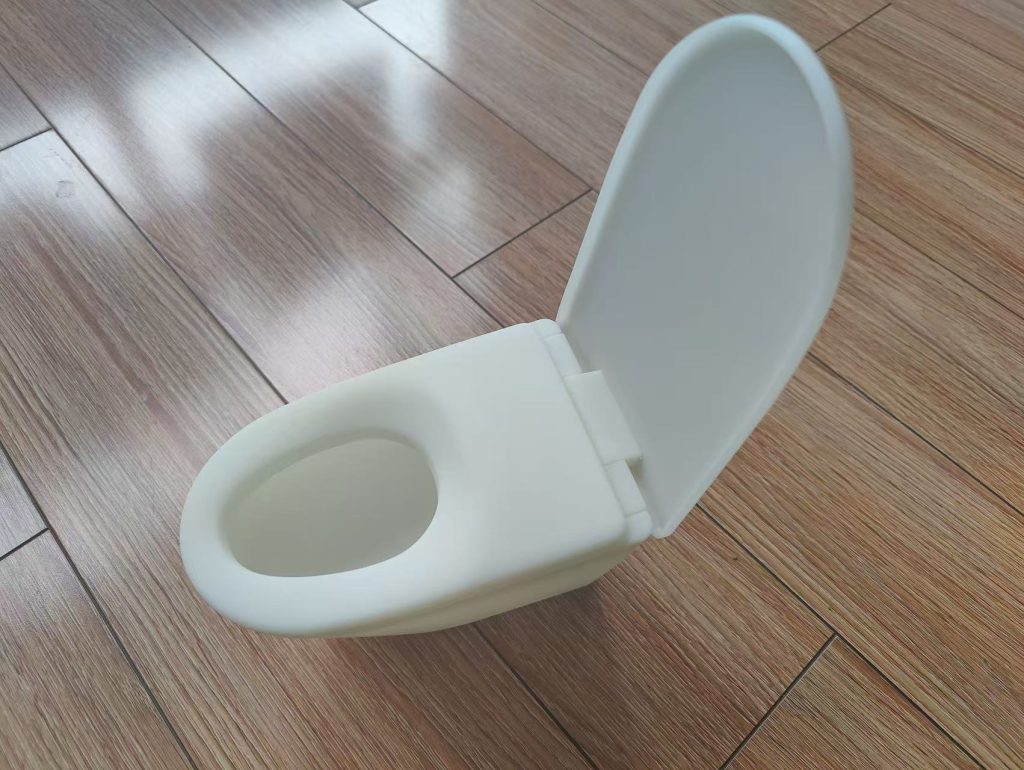
Why Reinvent the Toilet?
Sanitation is one of the most pressing global challenges today. Billions of people around the world still lack access to safe, reliable toilet facilities. This is where the toilet prototype comes in. It’s not just about creating a new design, it’s about reinventing the way we think about sanitation altogether.
Historically, the toilet has been viewed as a relatively simple mechanism – flush, dispose, and forget. But with the ongoing water crisis and rising waste management issues, this traditional model is no longer viable. Innovators are turning to sustainable sanitation solutions that reduce water usage, are easier to maintain, and improve hygiene in developing countries.
The Melinda Gates Foundation and other organizations are spearheading efforts to “reinvent the toilet,” seeking novel designs that are more environmentally friendly and economically viable, especially in low-resource areas.
What Makes a Toilet Prototype Unique?
The development of a toilet prototype involves more than just making a functional toilet. It requires extensive research, engineering, and testing to ensure that the design meets the specific needs of diverse environments, from rural areas with no infrastructure to modern urban centers with advanced plumbing systems.
A well-designed prototype takes into account a variety of factors such as user experience, waste management, and environmental impact. For example, a waterless toilet must be able to handle feces and urine without relying on the traditional flush system. This requires innovative mechanisms to contain waste safely and efficiently.
Additionally, engineers must consider the mechanical systems involved, such as air flow, vacuum mechanisms, and the overall wastewater management process. Toilet prototypes also need to incorporate electricity or solar power solutions for systems like vacuum toilets.
The Role of Technology in Toilet Prototypes
Advances in technology play a crucial role in the design of modern toilet prototypes. Toilets today are far more than simple waste disposal systems – they are evolving into sophisticated machines that manage human waste efficiently and sustainably.
For example, sensor technology is being integrated into toilet prototypes to improve user interaction and ensure hygiene. Smart features like automatic flushing, water-saving mechanisms, and self-cleaning surfaces are just a few of the technologies being incorporated into these designs.
Additionally, toilets designed for developing countries often need to be self-sustaining, using minimal water and energy. Reinvention of toilet technology means creating toilets that don’t require traditional plumbing or toilet paper, relying instead on dry or vacuum-based systems to reduce waste and water usage.
How Sustainable Toilets Are Changing the Game
Sustainability is at the heart of modern toilet prototype development. With water scarcity becoming an ever-increasing issue, waterless toilets are a viable solution. These toilets eliminate the need for water to flush waste away, reducing water usage by billions of liters every year.
Not only are these toilets eco-friendly, but they can also be cost-effective in the long run. By reducing reliance on complex plumbing systems and minimizing maintenance, sustainable toilets help reduce infrastructure costs, particularly in developing areas with limited resources.
The focus on sustainability is not just about reducing water use, though. Toilet prototypes are also being designed with durable, recyclable materials, making them less harmful to the environment once they reach the end of their lifespan.
Waterless Toilets: The Future of Sanitation?
Could waterless toilets be the future of sanitation? As the demand for eco-friendly solutions grows, the answer seems to be yes. These toilets do not require water to flush waste away, making them perfect for areas where water is scarce or where traditional sewage systems are unavailable.
The mechanical design of a waterless toilet typically involves a vacuum system that extracts waste without needing water to carry it away. This makes waterless toilets particularly suitable for use in remote locations, camps, or even in high-rise buildings where plumbing infrastructure is limited.
These toilets are also key to solving the problem of blackwater management, especially in areas without sewage treatment facilities. They offer a clean, sustainable solution to a global issue, and as technology improves, we can expect them to become even more efficient.
The Benefits of Developing a Toilet Prototype
Developing a toilet prototype is not just about creating a functional product; it’s about designing a solution that can transform sanitation practices across the globe. Here are some of the key benefits of creating a prototype:
- Innovation: Toilet prototypes often introduce new concepts, whether it’s in waste management, user interaction, or water conservation.
- Customization: Prototypes can be tailored to meet the specific needs of different environments, making them suitable for a variety of applications, from urban areas to rural regions.
- Sustainability: As mentioned earlier, prototypes can help develop more sustainable solutions, reducing water and energy consumption.
By creating prototypes, engineers and innovators can test their ideas in real-world settings, gathering valuable feedback before moving on to mass production.
What Challenges Do Engineers Face in Toilet Prototyping?
Designing a toilet prototype comes with its fair share of challenges. Engineers must consider a variety of factors, including:
- User comfort: A toilet must be comfortable to use, regardless of the design or environment. For instance, a dry toilet or waterless system must still provide a similar user experience to a conventional flush toilet.
- Waste containment: Ensuring that human waste is safely stored and disposed of without the need for traditional plumbing can be a technical hurdle. Engineers often have to design innovative systems that contain waste in a hygienic and environmentally friendly manner.
- Cost and scalability: The cost of manufacturing the prototype must be balanced with the ability to scale production to meet global demand. For toilets that require advanced technology, this can be a significant obstacle.
Despite these challenges, the ongoing research and development in this field promise to revolutionize how toilets are designed and used worldwide.
The Role of Partnerships in Toilet Prototype Development
One of the key drivers behind successful toilet prototype development is collaboration. Many of the leading innovations in toilet technology have been made possible through partnerships between engineers, researchers, and organizations like the Gates Foundation.
By working together, these stakeholders can pool resources, share knowledge, and test prototypes in diverse environments. Such partnerships are particularly crucial for addressing global sanitation issues, as they bring together expertise in design, engineering, and public health to create solutions that can be implemented worldwide.
Toilet Prototypes and Global Sanitation: Making a Difference
The development of toilet prototypes has the potential to transform sanitation worldwide. By focusing on innovation and sustainability, these prototypes can help bridge the gap in sanitation infrastructure, particularly in developing countries.
With nearly a billion people still lacking access to safe sanitation, creating effective toilet prototypes is a vital step in solving the global sanitation crisis. The continued collaboration between scientists, engineers, and organizations like the Melinda Gates Foundation can ensure that these solutions are both effective and scalable.
The Future of Toilets: Innovations to Expect
Looking ahead, the future of toilet prototypes is bright. We can expect further advancements in areas like:
- Zero-waste toilets: Toilets that convert waste into usable resources such as compost or energy.
- Smart toilets: Advanced toilets with sensor technologies that monitor health and hygiene.
- Mobile sanitation solutions: Compact, portable toilet prototypes for use in emergencies or temporary housing situations.
As the world faces new challenges, toilet prototypes will continue to evolve, providing sustainable, effective solutions for managing human waste while improving hygiene standards globally.
FAQs
What makes a toilet prototype different from a regular toilet?
Toilet prototypes are test models used to explore innovative designs before mass production. They often include features like waterless systems or vacuum pumps to improve sanitation and reduce environmental impact.
How do waterless toilets work?
Waterless toilets use alternative methods such as composting or vacuum technology to dispose of waste without using water, making them more sustainable in areas with limited water resources.
Why is reinventing the toilet important for global sanitation?
Reinventing the toilet helps provide safe sanitation in areas where traditional toilets are not feasible, especially in developing countries. It also addresses issues like water scarcity and waste management.
What are the benefits of using sustainable toilet prototypes?
Sustainable toilet prototypes reduce water consumption, improve waste management, and minimize environmental impact, making them ideal for global sanitation efforts.
Comments
Latest Posts
Related Blogs
Senyo’s blog is focused on sharing our extensive knowledge of prototype manufacturing. Through our articles, we aim to support you in refining your product design and navigating the complexities of rapid prototyping more effectively.