La creación rápida de prototipos podría ser una metodología ventajosa
Tabla de Contenido
Conclusión
Rapid prototyping may be a beneficial method which is frequently utilized in engineering, software development, and instructional design. The main idea behind such a process is to give the team members an opportunity to quickly create and iterate on a prototype thus resulting to a higher level of creativity, more effective problem-solving and, finally, faster innovation. The present article discusses the benefits of rapid prototyping, its use in various sectors, and the reasons why it is indispensable for any design project. People who read this article will be informed about the different ways in which rapid prototyping can be employed to make the process more efficient, to raise the standard of a product and to lower the expenses. Thus, designers, engineers, and educators cannot afford to miss this article.
¿Qué es la creación rápida de prototipos?
Rapid prototyping is a design process that is centered around the idea of fast production of a scaled-down version or a prototype of a product or service. The primary goal of this technique is to make the designers and engineers able to see the concept and the working of the product visually before a big production is made. Through the use of different technologies such as 3D printing, computer-aided design (CAD), and software simulations, the teams can produce models that are not only physical but also in a way the user interaction is possible.
The point of rapid prototyping is the iteration cycle. The idea is to spend less time and money on one single design, thus, the teams will be able to come up with numerous versions, test them, and get their concepts refined by real user feedback. This method is mainly useful in sectors such as software development where fast iterations can result in better user experience and functionality.
¿Por qué el prototipado rápido se considera una metodología ventajosa?
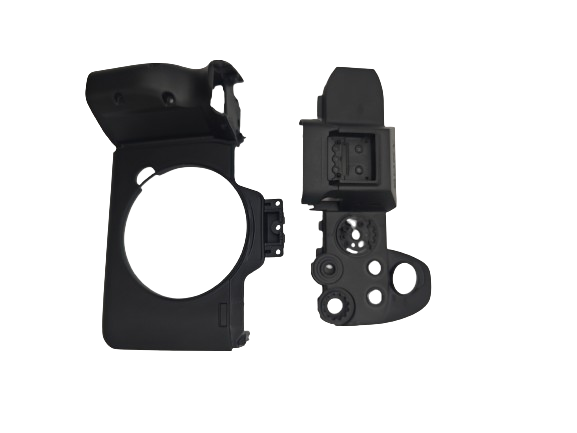
La creación rápida de prototipos puede ser una metodología ventajosa por varias razones. En primer lugar, permite iteraciones más rápidas, lo que permite a los equipos probar y perfeccionar sus ideas en tiempo real. Esta velocidad es crucial en el panorama competitivo actual, en el que el tiempo de comercialización puede ser decisivo para un producto.En segundo lugar, fomenta la colaboración entre equipos multifuncionales. Diseñadores, ingenieros y partes interesadas pueden reunirse para evaluar prototipos y hacer aportaciones, garantizando que el producto final satisfaga las necesidades y expectativas del usuario. Este entorno de colaboración fomenta la innovación y la creatividad, lo que da lugar a soluciones más eficaces.Por último, la creación rápida de prototipos es una estrategia rentable. Al detectar los fallos de diseño en una fase temprana del proceso, las organizaciones pueden evitar cambios costosos en fases posteriores del desarrollo. Esta eficacia no sólo ahorra dinero, sino que también reduce el riesgo de retrasos en el proyecto, contribuyendo en última instancia a un proceso de desarrollo más fluido.
¿En qué se diferencia la creación rápida de prototipos de los métodos tradicionales?
Usually traditional prototyping methods depict a longer and more sequential way of handling the process. On the other hand, rapid prototyping is less bound to the fixed requirements as it enables continuous iterations and feedback. Whereas traditional methods might invest up to many months in perfecting one single prototype, rapid prototyping is based on the idea that more iterations result in better outcomes.
Technology is the main point where the two methods differ. Traditional prototyping is generally done manually, while rapid prototyping is done with the help of the advanced tools and software which make it possible to give quick adjustments and modifications. Such an inclusion of technology not only opens up for a more flexible designing process, but also is in line with the fast development of the modern projects.
¿Puede la creación rápida de prototipos resolver problemas comunes de diseño?
Superar los obstáculos del diseño
Designers are, in many cases, confronted with problems like vague requirements, modifications of the specifications, and the reception of the users’ feedback. Rapid prototyping is a tool that solves these problems by offering fast rounds of work and changes. Such flexibility helps to match the end product with the users’ needs and the objectives of the project without any difficulty.
Casos de éxito
For instance, a technology company might employ rapid prototyping to quickly bring to life a new idea for a mobile app. In this way, the company opened the door for user input by producing a prototype. As a result, they fine-tuned the app features based on users’ needs to a greater extent. The company thus shortened the time-to-market while at the same time the chances of app success were raised substantially as a result of the iterative process.
¿Cómo se aplica el prototipado rápido al diseño didáctico?
In the field of instructional design, employing rapid prototyping might serve as a powerful tool to invent novel computer-based learning programs. Such a process gives freedom to instructional designers for the swift creation and testing of educational materials that are capable of satisfying the requirements of different types of learners. Through the successive versions of the same content, format, and delivery methods, instructors can increase the potency of their teaching aids.
As an illustration, rapid prototyping is capable of contributing to the creation of online learning modules where designers come up with the initial versions, collect feedback from learners, and modify the content according to the practical applications. This cyclic approach is a guarantee that the end product will be attractive, up-to-date, and efficient in the accomplishment of learning objectives.
¿Qué papel desempeña el feedback en la creación rápida de prototipos?
Feedback is one of the essential elements in the rapid prototyping process. It steers the iterative development of the prototypes and provides the subsequent design decisions with the necessary information. Feedback, which can be user testing, peer reviews, or stakeholder input, is the main support for design teams in discovering their design functionalities and weaknesses. Frequently and early inclusion of feedback may raise the quality of the final product to a very high level. By knowing user needs and desires, the teams will be able to make the right changes that will improve the product’s functionality and usability. Such a collaborative way of working not only results in better outputs, but also, among team members and stakeholders, it creates the feeling of being owners.
¿Cuáles son los componentes clave del éxito de un prototipo?
Elementos críticos
Un prototipo de éxito debe incluir los siguientes componentes:
- Funcionalidad: El prototipo debe demostrar las funciones básicas del producto final.
- Usabilidad: Debe ser fácil de usar e intuitivo.
- Mecanismo de retroalimentación: Permitir que los usuarios den su opinión es crucial para la mejora iterativa.
Mejorar la eficacia de los prototipos
Para mejorar la eficacia de un prototipo, implique a las partes interesadas en las primeras fases del proceso, establezca objetivos claros y perfeccione continuamente el diseño basándose en los comentarios de los usuarios. Este enfoque ayudará a garantizar que el prototipo cumpla los requisitos y expectativas deseados.
¿Es el prototipado rápido un método viable para todas las industrias?
Consideraciones específicas del sector
Although rapid prototyping is beneficial in many ways, it is not appropriate for each sector. Take, for example, sectors that are heavily regulated, like the pharmaceutical industry, where quick changes and repetitions may conflict with compliance standards.
Limitaciones y posibles inconvenientes
Rapid prototyping consumes a lot of resources, among which are time and expertise, so it may not be possible for all organizations to carry it out. Besides that, concentrating only on the fast execution of the project can result in missing some quality or functionality aspects if it is not properly supervised.
Preguntas frecuentes
¿Cuál es la principal ventaja del prototipado rápido?
La creación rápida de prototipos permite iteraciones rápidas y comentarios de los usuarios, lo que da lugar a productos más refinados y fáciles de usar.
¿En qué se diferencia el prototipado rápido de los métodos de diseño tradicionales?
A diferencia de los métodos tradicionales, la creación rápida de prototipos hace hincapié en la velocidad y la flexibilidad, lo que permite a los diseñadores realizar cambios en función de la información recibida en tiempo real.
¿Puede aplicarse el prototipado rápido a los productos físicos?
Sí, la creación rápida de prototipos puede aplicarse tanto a productos digitales como físicos, como la electrónica de consumo y las piezas de automóvil.
¿Qué herramientas se suelen utilizar en la creación rápida de prototipos?
Entre las herramientas más comunes están los programas de CAD, las impresoras 3D y las herramientas de esquematización de productos digitales.
¿Es rentable la creación rápida de prototipos?
Aunque los costes iniciales pueden ser más elevados debido a los recursos y la experiencia necesarios, el ahorro a largo plazo derivado de la reducción de los rediseños y la mejora de la adaptación del producto al mercado suele compensar estos costes.
Comentarios
Últimas Entradas
Blogs Relacionados
Senyo del blog se centra en compartir nuestro amplio conocimiento de la fabricación de prototipos. A través de nuestros artículos, nuestro objetivo es apoyar a usted en refinar el diseño del producto y navegar por las complejidades de la creación rápida de prototipos de forma más efectiva.
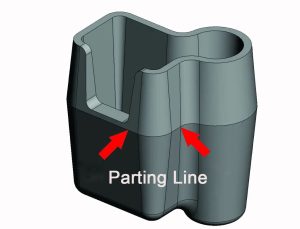
Moldeo por inyección en línea de partición: Consejos, tipos y técnicas
2 de diciembre de 2024
Leer Más "