Injection Molding Gate:Need To Know For Design Optimization
Table of Contents
What Is Injection Molding Gate?
The injection molding gate is a crucial component that controls the flow of molten plastic into the mold cavity. The design, location, and type of gate significantly influence the quality, appearance, and performance of the molded part. Choosing the right gate type ensures optimal part strength, minimal defects, and efficient production.
This guide will explore the different types of gates used in injection molding, their specific applications, and how to select the best gate design for your project.
Common Types of Injection Molding Gates
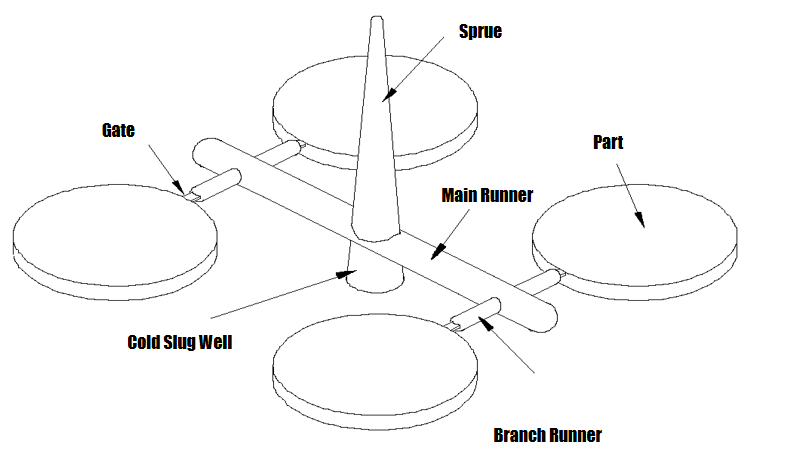
The sprue plays a crucial role in the injection molding process. It not only determines the speed at which molten plastic enters the mold cavity from the flow channel system, but also directly affects the quality and consistency of the final product. The design and location selection of the gate are crucial for preventing backflow, avoiding defects, and ensuring product quality.
There are various types of gates, common used ones including direct gates, side gates, pin point gates, sub gates, and valve gates etc…
When designing gates, multiple factors need to be considered, including gate balance, position selection, size, and shape. The position of the gate should be placed in the thickest area of the formed product, and the length should be as short as possible to reduce the pressure drop flowing through the gate. The number and position of gates should be determined based on the size, structure, and molding conditions of the product to ensure that the plastic can evenly fill the mold cavity and avoid defects.
Direct Gate
Direct injection molding gate is a common type of gate, characterized by the direct flow of plastic melt into the mold cavity, low pressure loss, fast feeding speed, and easy molding, suitable for various plastics.
The advantages of direct gating include low pressure loss, fast feeding speed, and easy molding, making it suitable for large plastic parts, thick walled plastic parts, etc. However, direct gating also has some drawbacks, such as difficulty in removing gating, obvious gating marks, and concentrated heat near the gating, slow condensation, which can easily generate large internal stresses and may also lead to shrinkage pits or surface indentations

Pin Point Gate
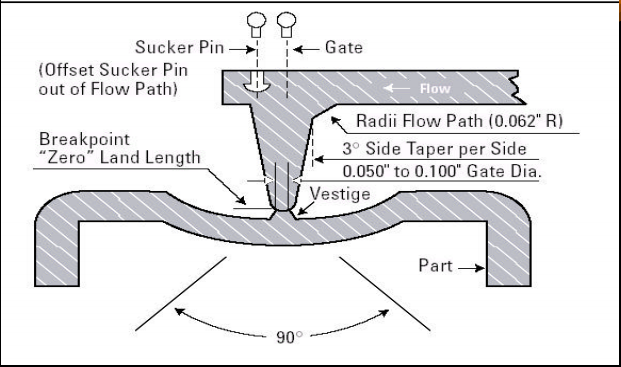
Pin point gate is a type of sprue with a very small size and a small cross-sectional area like a needle point. The sprue can easily be automatically cut off during mold opening, and the residual sprue marks on the workpiece are also very small, so it is widely used.
Features:
- The gate position is limited;
- After removing the sprue, the residual traces are small and do not affect the appearance of the plastic parts;
- The gate can automatically break during mold opening, which is beneficial for automated operation;
- The stress caused by supplementing the gate accessories is small.
Edge Gate
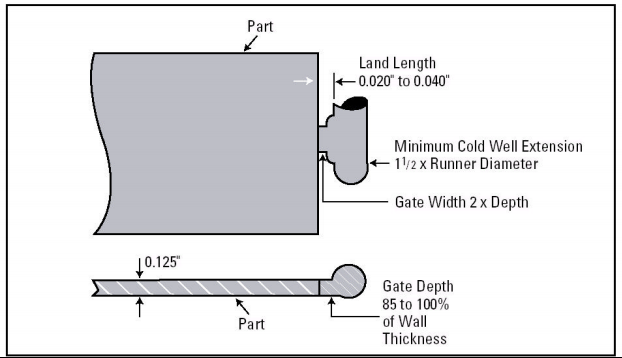
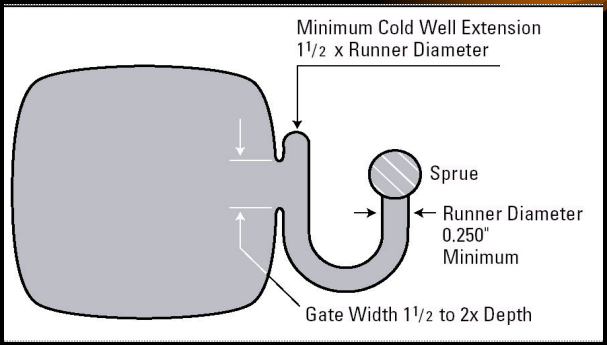
The edge gate is one of the most common and versatile gate types. Positioned on the edge or parting line of the mold, it allows plastic to flow directly into the cavity. Edge gates are often used for larger parts or those with simple geometries, such as flat or rectangular components.
Features:
- Easy to design and manufacture.
- Suitable for a wide range of part sizes and shapes.
- Allows for a larger cross-sectional area, improving flow and reducing pressure.
Submarine(Tunnel) Gate
A submarine gate, also known as a tunnel gate, is located below the parting line and enters the mold cavity at an angle. This gate is automatically sheared off during part ejection, eliminating the need for manual trimming,typically used for smaller parts where manual gate removal would be too time-consuming, such as electronic housings or small consumer products.
Features:
- Clean and automatic gate removal.
- Reduces post-processing time.
- Ideal for high-speed, automated production.

Fan Gate
A fan gate gradually widens from the runner to the cavity, spreading the plastic flow over a larger area.Commonly used for large, flat parts, such as automotive panels or large appliance housings, where appearance is a key consideration.
Features:
- Reduces the risk of flow lines and sink marks.
- Provides a more uniform distribution of material.
- Suitable for parts requiring a high-quality surface finish.
Valve Gate
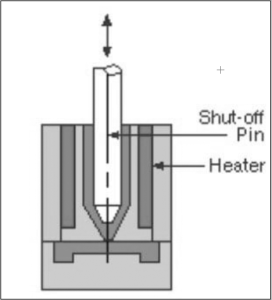
In a valve gate, the gate is opened and closed by a valve mechanism within the mold. This allows for precise control of the plastic flow. Often used in high-precision parts for industries like automotive, electronics, and medical, where gate vestiges or blemishes are not acceptable
Features:
- Eliminates gate vestiges, improving the part’s appearance.
- Excellent control over the flow, reducing material waste.
- Suitable for applications requiring precise molding and part quality.
Tab Gate
A tab gate consists of a tab or protrusion from the part where the gate is placed. This method reduces shear stress on the part during filling. Used for parts that are sensitive to stress, such as large plastic sheets or structural components.
Features:
- Reduces part distortion and minimizes flow lines.
- Ideal for preventing part warping.
- Can handle large volumes of plastic.

Choosing the Right Injection Molding Gate for Your Project
Selecting the appropriate injection molding gate type is crucial for ensuring the success of your injection molding project. The following factors should guide your decision:
- Part Size and Shape: Larger parts often require gates like edge or fan gates, while smaller, intricate parts benefit from submarine or pin gates.
- Material Properties: Some gate types work better with specific materials. For example, certain resins may require a pin gate to maintain flow consistency, while others benefit from the uniform distribution of a fan gate.
- Aesthetic Considerations: For parts where the surface finish and appearance are critical, such as consumer electronics or automotive interiors, a gate that minimizes visible marks—like a cashew or valve gate—would be ideal.
- Production Speed: Automated processes like submarine and pin gates help reduce cycle times, making them suitable for high-volume production.
- Post-Processing Requirements: Gates that automatically shear off, such as submarine or tunnel gates, minimize the need for manual trimming, reducing labor costs.
Location and Number of Injection Molding Gate
The position and number of gates are very important for injection molding, especially for injection molding defects. The position and number of gates are closely related to the quality of the product.
Gate Position with Jetting
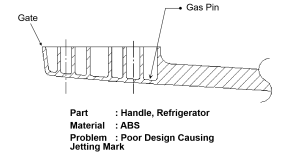
If the injection molding gate can be arranged as an direct sprue, which means that the poured plastic melt immediately impacts a barrier (such as the cavity wall, core pin, etc.) to stabilize the plastic flow, the probability of jetting can be reduced.
Gate Position and Number with Weld Line
A weld line is a line formed by the intersection of two melt-plastic flows. Weld lines have negative aspects in terms of the appearance or strength of plastic parts.
For each additional gate, at least one weld line will be added, along with a injection molding gate mark, more air traps, and the volume of the runner. So, on the premise that the cavity can be filled as scheduled, the fewer the number of injection molding gates, the better. In order to reduce the number of gates, each gate should be within L/T (flow length to thickness ratio) of the plastic flow, and the gate position that can cover the maximum plastic part area should be identified.
Gate Position and Number with Air Traps
Air trap is a defect caused by the air from inside the mold cavity and the gas caused by the melt resin. The presence of air traps can lead to short shots or burn marks in severe cases, and also affect appearance and strength in mild cases.
Each additional injection molding gate increases the probability of air traps. When the thickness difference of plastic parts is large, if the gate position is not set properly, it will cause air traps due to the Race Track Effect
Gate Position with Sink Mark and Void
The injection molding gate should be placed at the thick wall to ensure that the compensation flow can be maintained for the longest time, so that the thick wall will not cause shrinkage marks and shrinkage holes due to larger shrinkage.
Gate Position with Flash
The injection molding gate should be placed at the thick wall to ensure that the compensation flow can be maintained for the longest time, so that the thick wall will not cause shrinkage marks and shrinkage holes due to larger shrinkage.
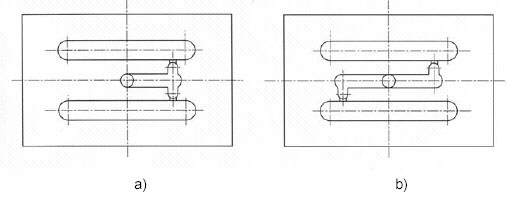
Gate Position with Flow Balance
For single-cavity molds, when the melt resin reaches each end of the cavity at the same time, it is called flow equilibrium. The design of flow balance ensures a relatively uniform distribution of pressure, temperature, and volume shrinkage rate of the melt resin, resulting in better quality of the plastic parts. So the selection of injection molding gate position is based on whether flow balance is achieved.
Whether the flow is balanced or not can be confirmed by simulating the CAE of mold filling. For designs with the same number of injection molding gates but different gate positions, the design that can fill the mold with the minimum injection pressure and clamp force is the most fluid-balanced design.
For multi-cavity molds, when the melt resin reaches the end of each cavity at the same time, it is called flow equilibrium. In non-equilibrium multi-cavity molds, the length of the flow channel from the injection channel to each cavity is different, or the shape and size of each cavity are not the same. At this point, the cross-sectional dimensions (such as diameter or thickness) of the upstream branch channel of the sprue can be adjusted to achieve flow balance.
The general practice of adjusting the cross-sectional size of the gate is not advisable. Firstly, this is not a long-term solution (the gate is small, prone to erosion, and the flow balance cannot be sustained). Secondly, if the gate thickness is also adjusted, the function of the gate as a uniform Freeze Time or Seal Time will be lost.
Case Studies of Effective Gate Design
1. Air-conditioner Grille Gate Design Modification
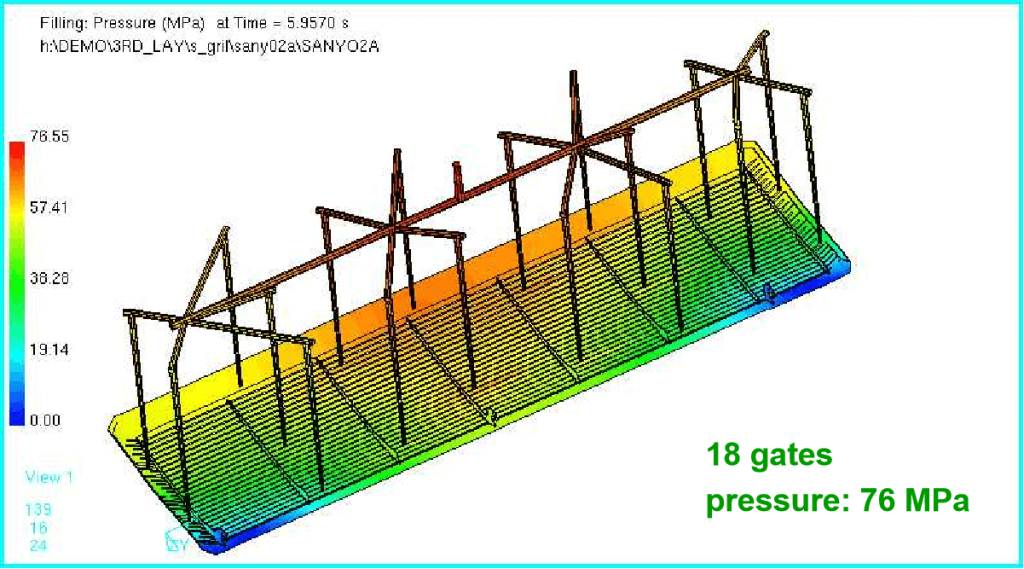
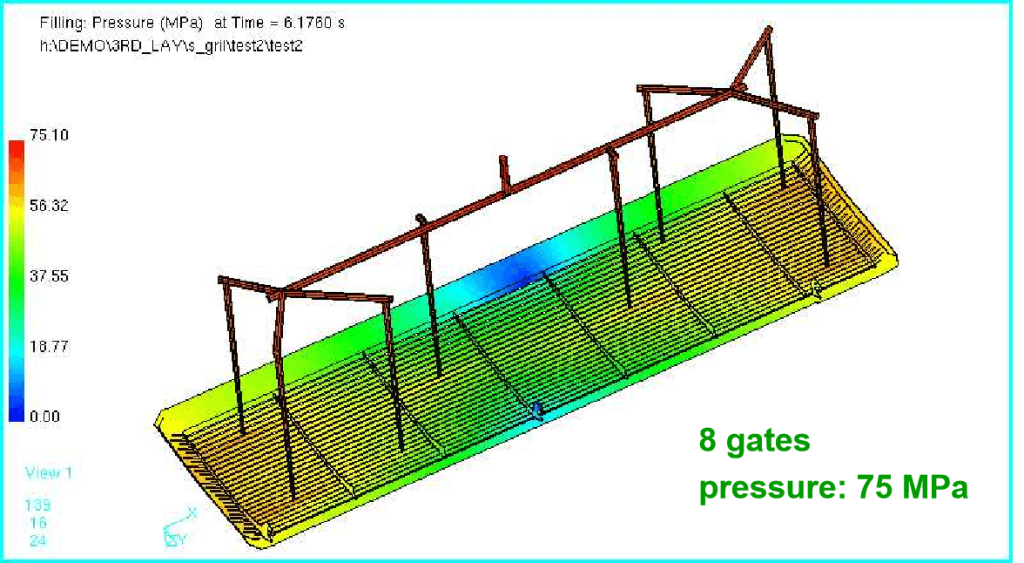
After revised gate number from 18 gates to 8 gates:
- Runner weight reduced from 335g to 178g(reduce rate 47%)
- Max extrance pressure reduced from 76.5Mpa to 75Mpa(reduce rate 2%)\
- Request clamping force reduced from 830T to 727T( reduce rate 12%)
2. Storage Box Gate Design Modification
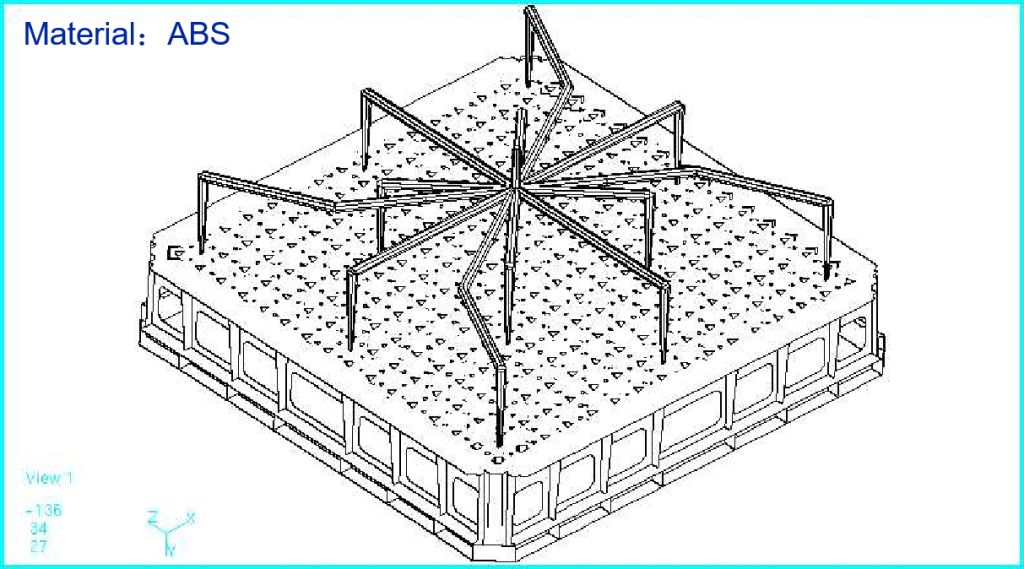
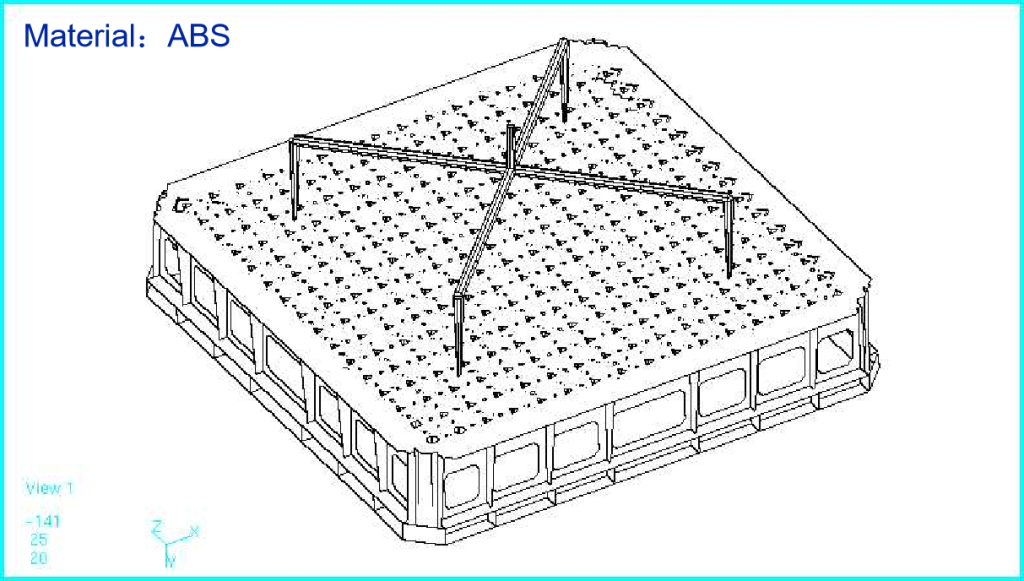
After revised gate number from 12 gates to 4 gates:
- Runner weight reduced from 294g to 98g(reduce rate 67%)
- Max extrance pressure reduced from 61.8Mpa to 58.4Mpa(reduce rate 6%)
- Request clamping force reduced from 950T to 820T( reduce rate 14%)
Conclusion
The injection molding gate design plays a vital role in determining part quality, appearance, and production efficiency. By understanding the different types of gates and their applications, manufacturers can optimize their processes and produce high-quality parts that meet industry standards. Whether you’re producing small precision components or large structural parts, choosing the right gate type is key to achieving successful injection molding outcomes.
Comments
Latest Posts
Related Blogs
Senyo’s blog is focused on sharing our extensive knowledge of prototype manufacturing. Through our articles, we aim to support you in refining your product design and navigating the complexities of rapid prototyping more effectively.