Precision Machining: The Core of Modern Manufacturing
Table of Contents
Conclusion
Our modern world thrives on intricate technology. We constantly encounter complex components, from gears in everyday machines to critical aerospace parts. How do manufacturers create these highly detailed and functional elements? The answer, for many, lies in Precision Machining. This advanced manufacturing technique forms the bedrock of numerous industries, enabling the production of parts with exceptional accuracy and intricate designs.
What Defines Precision Machining?
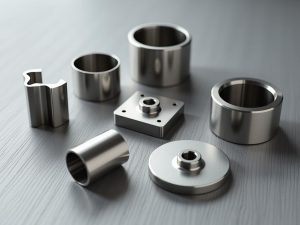
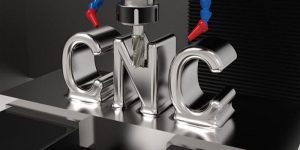
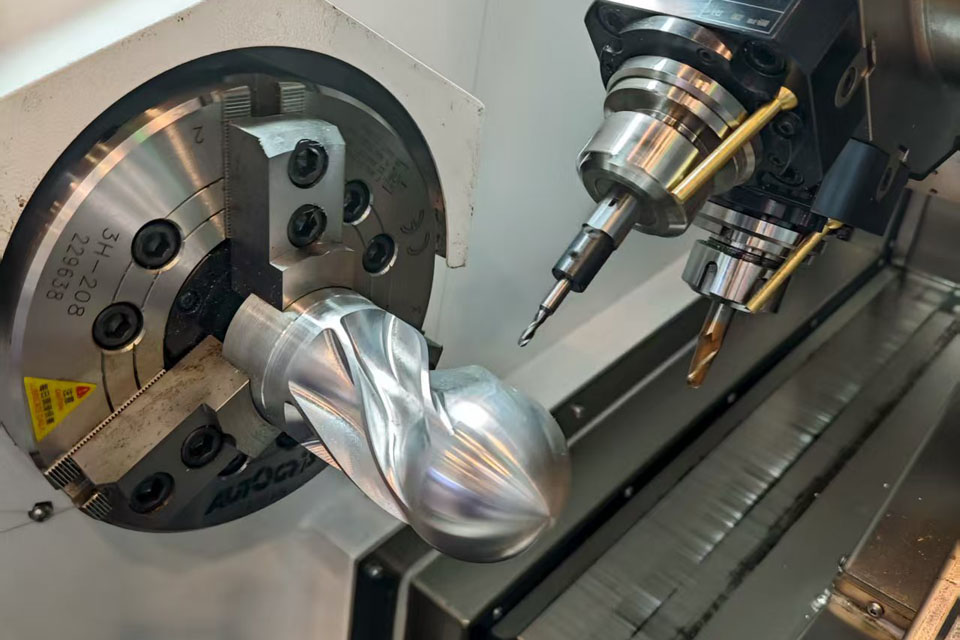
Accuracy machining represents an innovative development of Computer Numerical Control (CNC) procedures. It takes advantage of computer-controlled machine tools to produce parts. This high-velocity machining method succeeds at creating elements requiring stringent resistances, significant intricacy, or both. Experienced accuracy machinists or advanced high-speed robotics usually execute accuracy machining procedures.
This process operates as a subtractive manufacturing approach. It begins with a resources block. The device then carefully eliminates product utilizing numerous cutting tools. Makers regularly employ precision machining to craft an array of components that fit and operate with each other seamlessly.
Successful precision machining hinges on 2 crucial elements:
- Superior Cutting Tools: High-end cutting devices are vital. They exactly remove product, ensuring the ended up item matches the desired dimensions with utmost care.
- Advanced CNC Machines: Computer Numerical Control (CNC) machines are vital. They often integrate high-speed robotics. These machines instantly manage the cutting tool, assisting its activities across the workpiece for precise cutting and milling.
The Precision Machining Process: A Step-by-Step Breakdown
Many precision machining firms follow a regular collection of steps for creating varied parts:
1. Creating the Graphical Model
Creating any type of part demands a graphical version. Computer-Aided Design (CAD) software application facilitates this. CAD software application encourages developers to produce 2D and 3D designs of any type of part meant for production.
Designs frequently come from as hand-drawn illustrations. These initial sketches assist establish the part’s fundamental principles. The CAD developer after that references these illustrations to develop the graphical version, making certain dimensional accuracy. Many popular CAD software application exist, both free and business. Suppliers can additionally contract out the style process for developing complicated layouts.
2. Converting CAD to CAM
Computer-Aided Design produces a digital, visual depiction of the component. Developers, drivers, and makers readily comprehend this layout. However, the CNC devices in charge of developing the component do not straight translate this digital style.
Machines comprehend works with, determining where to relocate the reducing tool or reposition the workpiece. As a result, CNC makers need the component layout in an ideal layout that supplies vital manufacturing guidelines. Computer-Aided Manufacturing (CAM) software promotes this conversion. Webcam software program takes the CAD design and transforms it right into a CAM style that CNC devices can interpret.
Webcam software application employs two key code kinds: G and M codes. G code regulates the cutting device’s coordinates. M code controls the maker’s auxiliary features, such as triggering or shutting down coolant circulation.
3. Machine Setup
When layouts are prepared in CAM style, machine arrangement begins. This commonly entails machine tool calibration and workpiece installing. Equipment devices differ based on the work surface product and the last component’s style. Various precision machining devices offer different functions. During this step, securely tightening up all clamps and validating machining parameters, like coolant degrees, is crucial.
4. Implementing the Machining
With configuration full, the equipment program awaits implementation. A lot of CNC devices include a display for checking the program and readjusting parameters. Upon program execution, the CNC machine starts the precision machining process.
5.Completion
After producing the part using the accuracy machining, it can be removed. Depending on certain requirements, the part might proceed to additional procedures such as grinding or polishing. Nevertheless, for the most part, a finished item produced through accuracy machining usually needs no more handling.
Precision Machining Methods and Equipment
The vast variety of accuracy machining applications demands varied machines and tools. Various components demand various reducing methods, causing the development of a broad variety of cutting devices.
CNC Milling Machines
CNC milling is a subtractive manufacturing procedure. It utilizes rotary cutters to eliminate material from a work surface. The direction, angle, stress, and speed of the cutting device can vary, producing distinctive cutting results. CNC mills are available in countless setups, including bed, box, C-frame, flooring, gantry, horizontal boring, knee, planer style, turret, and ram milling machines.
CNC Turning
In CNC turning, the workpiece revolves around a main axis. A linearly moving cutting tool removes material. Unlike CNC mills, the cutting tool is typically non-rotary. Single-point cutting tools are most generally employed in this procedure.
Accuracy Grinders
Precision mills usually represent among the last production phases for machined components and parts. They utilize rough mills (or grinding wheels) to produce perfectly level surfaces with extremely smooth surfaces on machined parts. Moreover, precision grinding can accomplish close-tolerance coatings on a completed item by removing trace elements of excess product.
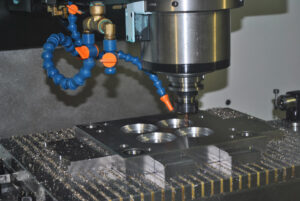
CNC Drill Presses
In CNC boring, the workpiece continues to be stationary. A turning drill bit steps, creating holes in the workpiece. These holes might serve purposes such as component assembly or aesthetic appeals. CNC drill presses can produce numerous hole dimensions by altering drill bit dimensions. Adjusting the machine tool calibration manages opening depth.
Multi-axis CNC Machining
Multi-axis CNC machining constitutes an entire machining system. The reducing device can move in four or more directions. This ability allows the development of complex parts utilizing diverse cutting tools and processes, including milling, waterjet cutting, or laser cutting.
Electric Discharge Machining (EDM)
Electric Discharge Machining (EDM) shapes metal utilizing electric discharges (stimulates). Other terms for this process include spark machining, die sinking, cord disintegration, cord burning, or stimulate eroding. EDM solely works with metals as a result of their electrical conductivity. It utilizes 2 electrodes: a tool electrode and a workpiece electrode. This machining method brings the electrodes close without physical contact. This proximity develops an electrical arc, increasing the device electrode’s temperature level and thawing the metal. EDM applications often involve the hardest metals, which are challenging to machine with milling machines. Suppliers frequently apply EDM to develop holes, ports, and tapers on duty.
Swiss Machining
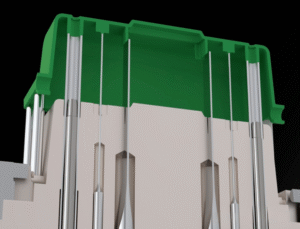
Swiss machining stands for an advancement over standard turrets. It employs dedicated Swiss-made CNC turrets for cost-efficient and exact component machining. Standard turrets include a fixed headstock that simply revolves the work surface. Nonetheless, in Swiss machining, the headstock enables linear motion, offering more precise and complex machining alternatives.
Past the relocating headstock, a sliding guide bush moves along the work surface’s longitudinal axis. The overview shrub supplies vital support for high-precision machining.
CNC Laser Machines
CNC laser machining uses a high-frequency laser beam of light to slice or etch products. Unlike EDM, laser machining efficiently processes both steels and non-metals.
Mill-Turn CNC Centers
CNC mill-turn centers, or CNC mill-turn machines, incorporate milling and turning operations. Generally, milling and turning occur on different CNC machines. However, incorporating them into a single machine significantly enhances the production procedure. These facilities are offered in upright and straight arrangements. The vertical setup commonly offers greater stability due to gravity’s result on the setup.
The Advantages of CNC Precision Machining
While the first expense of CNC precision machining could surpass traditional approaches, its various advantages validate the financial investment. Right here are some crucial advantages:
Limited Tolerances
Limited tolerances stand as the primary reason for utilizing CNC precision machining. Tolerance, also called dimensional precision, describes the slight variance in a machined component’s dimension from its CAD plans.
CNC precision machining makes use of specialized procedures and cutting devices to lessen tolerances. This leads to greater component precision compared to original plans.
What are precision machining resistances? Usually, precision machining includes four sorts of machining tolerances:
- Unilateral Tolerances: This tolerance type allows dimensional variation in only one direction. The tolerance restriction can be either above or below the desired dimension.
- Bilateral Tolerances: This sort of tolerance permits dimensional variant in both instructions. The tolerance limit can be both above and listed below the designated size.
- Substance Tolerances: Compound tolerance represents the last tolerance computed by including or subtracting the resistances of various measurements that comprise a part.
- Limitation Dimensions: Instead of specifying a needed dimensional dimension, the top and lower dimensional restrictions are specified. As an example, a measurement may drop within the series of 20 mm to 22 mm.
- High Accuracy
Tight resistances straight indicate that precision machining generates a final product with high precision. Precision machining typically targets parts that should interact with other elements. Therefore, high precision comes to be critical for these certain parts to function flawlessly in succeeding stages.
High Repeatability
Repeatability is a cornerstone of modern-day production markets. Every part generated by a procedure should appear identical to every various other part for the end-user. Any variance from this consistency frequently makes up a defect. Precision machining excels in this regard. With high-precision CNC machining, every component mirrors the initial with minimal variances.
Reduced Production Costs
The absence of variances in precision machining leads to fewer defective items. This equates to a lower component rejection rate. Consequently, material costs decrease. Additionally, as an automated, computer-aided production procedure, it minimizes labor prices. The consolidated reduction in labor and product prices indicates CNC machining offers lower production costs than alternate methods.
Rate and Efficiency
Precision machining includes high-speed robotics, making it possible for quicker part development than hands-on production on traditional lathes. In addition, components display high accuracy and close tolerance finishes, eliminating the need for additional procedures. This accelerates manufacturing times, boosting workshop efficiency and performance.
Enhanced Safety
A CNC machine replaces human labor with computer mathematical control systems. This eliminates the human mistake threat variable inherent in reducing processes. Employees can change to even more skill-intensive roles, such as CNC style operations.
The Imperative for Precision Machined Parts
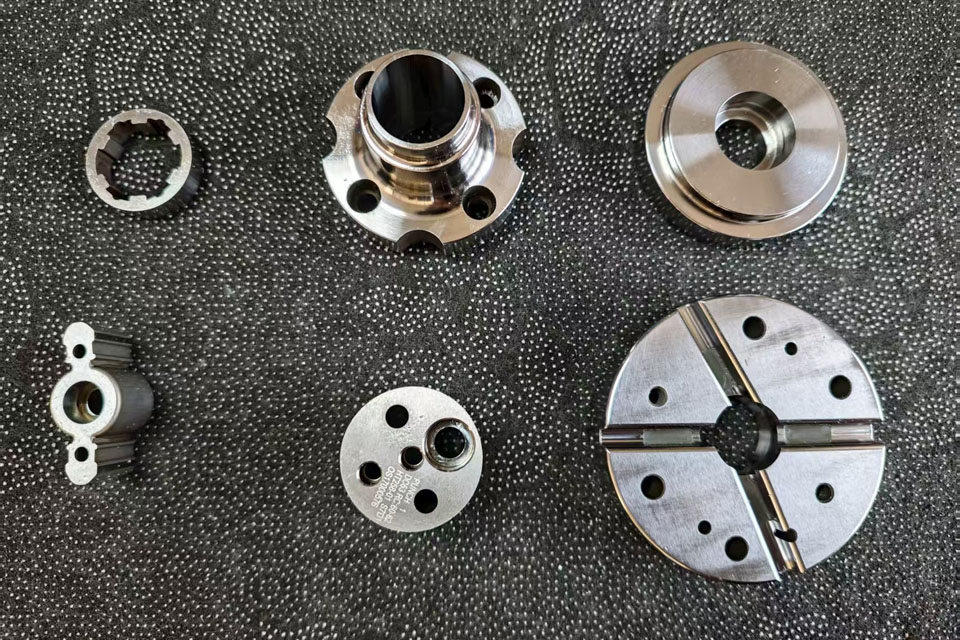
The capacity to produce precision machined components stands as a significant benefit of CNC machining. While hands-on machining can manage simple procedures (where a skilled machinist manually overviews the equipment arm), achieving very fine functions and tight resistances manually proves challenging. This is where a computer-controlled system, complying with an electronic plan, truly radiates. Companies look for accuracy machined parts for various reasons. Right here are some common motivations:
Assembly Integration
The close tolerances provided by precision machining are important when elements should integrate into a larger setting up. If measurements depart exceedingly from the layout, parts may not attach effectively, providing them pointless. Also if assembly is technically achievable, end-users or customers will not endure unexpected voids or overhangs where elements need to be flush.
Visual Perfection
Precision might also be necessary for cosmetic or noticeable components where defects or flaws are unacceptable. Some items might need common machining for interior elements and accuracy machining for outward-facing or surface area parts. Visible blemishes would certainly diminish the item’s visual top quality or result in safety and security worries (e.g., mistakenly sharp sides).
Value Enhancement
An uncomplicated motivation for precision machining is that high-grade components, manufactured to close resistances, command greater costs. A high-value product, such as a stereo or smart device, can just warrant its high list price if its individual parts fulfill a high requirement, despite whether the precision supplies a sensible advantage.
When Precision Machining Isn't Necessary
Despite its numerous advantages, companies should exercise caution when specifying close tolerances. While precision machining may be essential for certain features and dimensions, demanding it when standard machining tolerances suffice can lead to a significant waste of resources.
A feature with a 0.01 mm tolerance might necessitate an entirely new machine setup compared to the same feature requiring a 0.05 mm tolerance. This dramatically increases labor costs. If your Request for Quotation (RFQ) yields a higher estimate than expected, consider loosening tolerances for non-critical dimensions.
Applications of Precision Machining
Precision machining forms the structure of numerous markets, offering purposes from tooling to end product production. Some crucial applications of precision CNC machining consist of:
- Prototypes: Precision machining is indispensable for developing prototypes throughout all markets. Prototypes need very accurate reproductions of an intended style to showcase item attributes. Precision machining ideally satisfies these criteria.
- Automobiles: The automotive industry needs intricate equipment and components for engine parts, axles, nuts, and more. Precision machining devices create these elements for two-wheelers, cars, vehicles, ships, and planes.
- Medical Industry: Medical innovation remains to grow in intricacy. The medical sector uses automated devices and equipment efficient in executing surgical treatments. This equipment demands elaborate machining at a mini level, which precision machining makes possible.
- Aerospace: The aerospace industry employs several of the most sophisticated devices, products, and modern technology. It calls for a machining procedure that is not just highly accurate however also efficient in working with the hardest materials. Precision machining gives an efficient service for producing all sorts of parts in the aerospace sector, from models to major elements.
- Defense Industry: The defense sector shares needs comparable to the aerospace industry. It requires one of the most sturdy products, demanding top quality precision machining. Applications are broad and varied, ranging from new tool prototypes to whole projectile systems.
Suitable Materials for Precision Machining
Precision machining accommodates hundreds of different metals, plastics, and various composite materials. Here is a list of commonly precision-machined materials:
| Material Type | Examples |
|---|---|
| Metals and Alloys | Aluminum, Bronze, Brass, Copper, Titanium, Steel, Stainless Steel, Carbon Steel, Tool Steel, Exotic Alloys |
| Plastics and Other Non-metals | Polyamide (PA), Polycarbonate (PC), Acrylonitrile Butadiene Styrene (ABS), Polymethyl Methacrylate (PMMA), Polyoxymethylene (POM), Glass, Graphite |
Typical Costs for Precision Machining
Determining an exact cost for precision machining proves challenging, as numerous factors influence pricing. CNC machining involves various components, each offering several cost options. For instance, the number of axes in precision machining equipment impacts cost significantly. A multi-axis machine can cost two to three times more than a 3-axis machine in terms of hourly rates.
Other costs include fees paid to the designer for the Computer-Aided Manufacturing (CAM) blueprint, and the hourly labor cost of a precision machinist, which varies based on their skills.
Outsourcing Precision Machined Parts
Due to the specialized skill level required for precision machined parts, many companies outsource their precision machining jobs, even if they possess their own CNC machining equipment.
Outsourcing precision machining resembles ordering standard machined parts, with some key distinctions. Many machine shops initially inquire whether the customer requires precision machining, as this signals the RFQ demands extra consideration. If not explicitly stated, the requirement for precision machining can simply be indicated by including tolerances.
Tolerances can be specified in several ways. One method involves indicating a general tolerance in a technical drawing’s title block. Another is to specify tolerances on individual dimensions within the drawing. Conveniently, many CAD applications also allow for tolerance inclusion on the digital design. By indicating a tolerance tighter than the standard (e.g., +/-0.05 mm), the machinist will recognize it as a precision machining operation.
Remember, tolerance formats vary. Three common methods for specifying tolerance convey different instructions to the manufacturer:
- Bilateral Tolerances: This states the acceptable tolerance on either side of the specified value. It is typically expressed as a +/- value, for example, 22 mm +/-0.07 mm.
- Unilateral Tolerances: This states the acceptable tolerance on each side of the specified value. The tolerance on one side is sometimes zero, such as when a part must fit strictly within a hole. It is typically expressed with the positive tolerance followed by the negative tolerance, for example, 56 mm +0.5/-1.5 mm.
- Limit Tolerances: This states the acceptable tolerance as a range of acceptable dimensions. For example, a dimension of 7.5 mm with a bilateral tolerance of +/-0.5 mm would be written as 7–8 mm.
Conclusion
Precision machining is no longer an optional manufacturing process offering merely better results. It has become essential technology for complex CNC machining tasks demanding synchronized operation. When perfection is required at a microscopic level, every millimeter holds significance. Achieving this level of perfection necessitates precision CNC machining processes. These include CNC milling, CNC turning, grinding, and EDM, each contributing to achieving tight tolerances and superior surface finishes.
Precision machining offers the optimal way to maximize value without compromising dimensional accuracy. Consequently, it has become the preferred manufacturing choice for creating prototypes and producing parts on a large scale.
Comments
Latest Posts
Related Blogs
Senyo’s blog is focused on sharing our extensive knowledge of prototype manufacturing. Through our articles, we aim to support you in refining your product design and navigating the complexities of rapid prototyping more effectively.