The Essential Guide to Working with Stainless Steel Sheet Metal
Table of Contents
What Is Stainless Steel Sheet Metal?
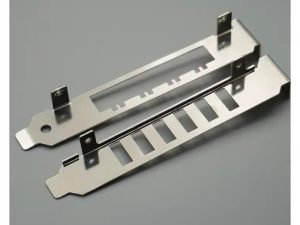
Stainless Steel Sheet Metal is a sheet metal processing technology that uses stainless steel materials. Stainless steel sheet metal processing plays an important role in modern industrial manufacturing. The stainless steel materials used have excellent corrosion resistance, high temperature resistance, oxidation resistance, and aesthetics, making stainless steel sheet metal products widely used in various industries.
Sheet metal processing technology is an important method for manufacturing various metal components and shells, and stainless steel sheet metal processing is an important branch of it.
How To Work For Stainless Steel Sheet Metal?
The processing technology of stainless steel sheet metal includes cutting, bending, stamping, welding, riveting, splicing, forming, etc
- Cutting: Firstly, locate according to the design drawings, select the appropriate tool path and program control, and complete the cutting and carving work through methods such as laser cutting or water jet. For some irregular parts and small batch production, CNC stamping is usually used to complete the forming process.
Deburring treatment: Use a deburring machine to remove burrs and burrs on the surface of aluminum profiles, making the product smoother, cleaner, and easier to assemble. - Surface pre-treatment of products: After completing product cutting, it is necessary to perform anti rust treatment, sanding, painting and other work on the workpiece, which are all part of the metal product machinery industry. For some precision stainless steel plates, straightening is also necessary to ensure that the flatness of the plate meets the standard.
- Bending: Determine the cutting tool and groove used for bending based on the dimensions on the drawing and the thickness of the stainless steel material, to avoid deformation caused by collision between the product and the cutting tool.
- Riveting and welding: Consider selecting different molds for the height of the bolts and adjusting the pressure of the press to ensure that the bolts are flush with the surface of the workpiece. Welding methods include argon arc welding, spot welding, carbon dioxide shielded welding, manual arc welding, etc.
- Surface treatment: Surface treatment is a very important part. Common surface treatment methods include polishing, acid washing, electroplating, anodizing, etc. After cold plate processing, surface electroplating is generally carried out, and after electroplating, spraying treatment is carried out. For stainless steel sheet metal workpieces, after surface pre-treatment, they enter the spraying process. When the workpiece requires assembly and spraying, the teeth or some conductive holes need to be protected.
- Assembly: After spraying, enter the assembly process. Before assembly, remove the protective sticker used in the original spraying of stainless steel to ensure that the internal threaded holes of the parts have not been sprayed with paint or powder.
The above is the stainless steel sheet metal processing technology. It is worth noting that when surface treatment is required for stainless steel sheet metal processed parts after production processes such as folding and riveting, the surface treatment methods also vary due to differences in materials. Normally, after the production and processing of cold plates, surface electroplating technology is required, and there is no need to carry out paint spraying after electroplating technology.
Common Stainless Steel For Sheet Metal
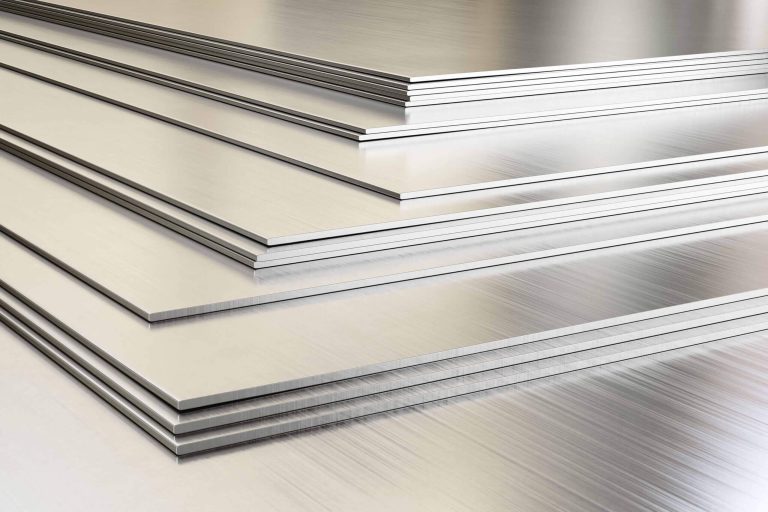
One of the commonly used materials in sheet metal processing is stainless steel plate, code named SUS or STAINLESS STEEL. Common models include SUS304 (18-8 stainless steel, non-magnetic), SUS301 (spring stainless steel, slightly magnetic), and SUS430 (magnetic, prone to rusting). Its tensile strength is above 53kgf/mm2, the material thickness is 0.1-10.0mm, and the widest width of the material is 5 ‘(1524mm), usually 4’, which is 1219mm or 1250mm. It can be cut to any size smaller than 1524mm as needed. The length of the material can be cut to any size as needed, usually 8 ‘, which is 2438mm or 2500mm.
The surface of stainless steel plate has a metallic white luster and is not easy to rust. It can be divided into matte, glossy, mirror, brushed surface, etc. To protect the surface, PVC protective film is often applied. Not suitable for electroplating, but suitable for refrigeration, air conditioning, household appliances, and decorative structural components.
Features For Stainless Steel Sheet Metal
Stainless Steel Sheet Metal material, made from steel as the basic raw material and added with appropriate amounts of alloy elements such as chromium and nickel
Stainless steel is a common sheet metal material with characteristics such as corrosion resistance, high strength, and oxidation resistance.
Material Thickness
The thickness of stainless steel is usually measured in millimeters, with common thicknesses including 0.5mm, 0.8mm, 1.0mm, etc.
Strength
The strength of stainless steel is usually expressed in terms of yield strength and tensile strength. Yield strength refers to the stress value at which a material begins to undergo plastic deformation after being subjected to force, while tensile strength refers to the maximum tensile stress value of a material during the tensile process. Different stainless steel materials have different strengths, with common yield strengths such as 280MPa and 350MPa, and tensile strengths such as 520MPa and 620MPa.
Surface Treatment
Stainless steel sheet metal usually requires surface treatment to improve its corrosion resistance and aesthetics. Common surface treatment methods include polishing, sandblasting, electroplating, etc.
Bending Radius
Stainless steel sheet metal needs to be bent during the processing, and the bending radius refers to the minimum curvature radius required for the material during bending. The smaller the bending radius, the more likely the material is to crack or deform.
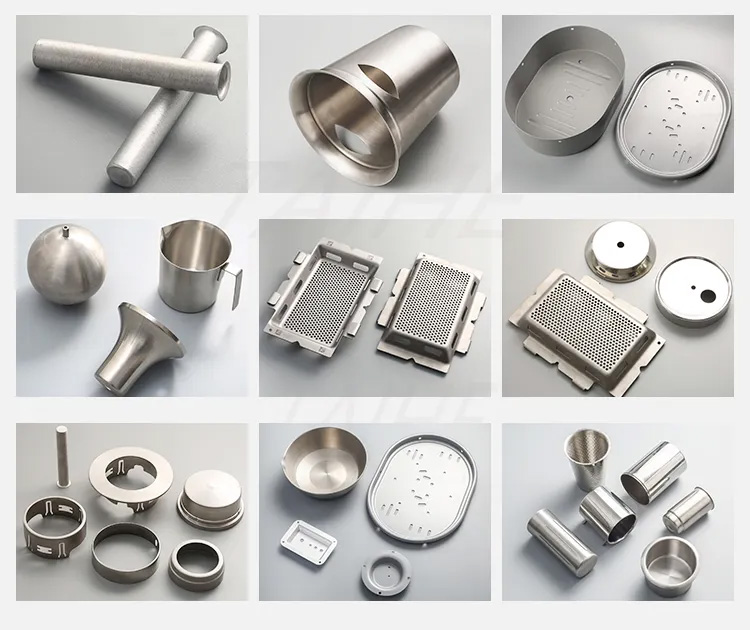
What Industry Is Suitable For Stainless Steel Sheet Metal ?
Stainless steel sheet metal has the characteristics of corrosion resistance, aesthetics, and high strength, and is widely used in industries such as machinery, electronics, and medical equipment. Here are a few specific application scenarios:
Mechanical Manufacturing Industry
Stainless steel sheet metal plays a crucial role in mechanical manufacturing. For example, automation equipment, metal structural components, ultraviolet lamps, ventilation ducts, etc. all require a large amount of stainless steel sheet metal.
Electronic Equipment Industry.
The casing, frame, conductive plate and other components used in electronic devices can be made of stainless steel sheet metal. Stainless steel sheet metal has excellent conductivity and corrosion resistance, which can effectively protect the operation of internal circuits in equipment.
Building decoration Materials
Stainless steel sheet metal is widely used in the manufacturing of building decoration materials due to its excellent corrosion resistance and high aesthetic appeal. For example, stainless steel doors, window frames, etc.
Frequently Asked Questions
What are advantages for stainless steel sheet metal ?
Strength and durability:
-Stainless steel has high tensile strength, making it an ideal choice for structural applications.
-It is wear-resistant and can withstand heavy loads and impacts.
versatile:
-Stainless steel can be molded into various shapes and sizes, allowing for a wide range of applications.
-It can be combined with other materials such as concrete to improve performance.
Corrosion resistance:
-Stainless steel has high corrosion resistance, making it suitable for harsh environments.
Cost effectiveness:
-Stainless steel is usually abundant and cost-effective compared to other metals.
-Its long lifespan and low maintenance requirements help to save costs over time.
Recyclability:
-Steel is 100% recyclable and does not lose its characteristics, making it an environmentally friendly choice.
Fire resistance:
-Stainless steel structures can withstand high temperatures, although they may require fire-resistant treatment.
What are the disadvantages for stainless steel sheet metal?
Weight:
– Stainless Steel is heavier than some alternative materials (like aluminum), which can increase transportation and handling costs.
Thermal Conductivity:
– Stainless Steel conducts heat well, which can be a disadvantage in applications requiring thermal insulation.
Cost Fluctuations:
– The price of stainless steel can be volatile due to market demand, production costs, and geopolitical factors.
Brittleness at Low Temperatures:
– Certain types of steel can become brittle in extremely low temperatures, affecting their performance.
Fabrication Challenges:
– Working with stainless steel requires specialized skills and equipment, which can increase manufacturing complexity and costs.
What is the difference between 304 and 316 stainless steel sheet metal?
304 and 316 stainless steel each have their own characteristics and advantages in sheet metal processing, with the main differences reflected in chemical composition, corrosion resistance, strength and hardness, application areas, and price.
The difference between 316 stainless steel and 304 stainless steel:
1. Different characteristics: 304 stainless steel has good processing performance and high toughness, but 316 stainless steel contains molybdenum elements that 304 does not have, making its corrosion resistance and high temperature strength more excellent.
2. Different application ranges: 304 stainless steel is usually used in the industrial, decoration, and food and medical industries, while 316 stainless steel is widely used in industries such as production equipment.
3. Different chemical materials and prices: There are certain differences in the elements contained in the two, so the materials are also different. 316 stainless steel has added molybdenum and nickel, while 304 stainless steel does not, so the price of 316 stainless steel will be slightly higher than that of 304.
What is the most common stainless steel sheet metal?
SUS304 stainless steel is one of the most widely used stainless steels. Due to its Ni (nickel) content, it has better corrosion resistance and heat resistance than steel containing Cr (chromium), and has excellent mechanical properties. It has no heat treatment hardening phenomenon and no elasticity.
Conclusion
Stainless steel sheet metal, as an important metal processing product, has a wide range of applications, including but not limited to aerospace, automotive, electronics, energy and other industries. With the continuous development of the global economy and technological progress, the stainless steel sheet metal industry will usher in new development opportunities. Especially in the field of environmental protection, with the increasing global awareness of environmental protection, the application of stainless steel sheet metal materials in the environmental protection field is also constantly expanding.
Overall, the development prospects of the stainless steel sheet metal industry are positive, but companies need to be fully prepared, including technological upgrades, equipment updates, improvements in management models and service levels, as well as the implementation of environmental protection measures, to adapt to market changes and demands
Comments
Latest Posts
Tags
Related Blogs
Senyo’s blog is focused on sharing our extensive knowledge of prototype manufacturing. Through our articles, we aim to support you in refining your product design and navigating the complexities of rapid prototyping more effectively.