Understanding Mold Surface Textures in Injection Molding
Table of Contents
Conclusion
sThe world of mold surface textures plays a crucial role in the manufacturing of plastic components, particularly through the process of Mastering Mold Surface Textures.
Mold surface textures play a crucial role in the world of plastic injection molding, influencing the appearance, feel, and functionality of the final product. Whether you’re a manufacturer, designer, or engineer, understanding the intricacies of mold textures can help you optimize your production processes and create high-quality plastic parts. This article delves into the world of mold surface textures, exploring the various types, standards, and applications to help you make informed decisions for your projects.
- Mold surface texture is a critical factor in plastic injection molding, influencing the appearance, feel, and performance of the final product.
- There are various types of mold textures, each with unique characteristics and applications.
- Industry standards, such as the SPI Mold Texture Standards, provide a framework for specifying and communicating mold surface requirements.
- Selecting the appropriate mold texture involves considering factors like product design, material properties, and manufacturing processes.
- Textured molds offer several advantages, including enhanced aesthetics, improved functionality, and easier mold release.
- Maintaining consistent mold textures requires a comprehensive approach to mold maintenance and process control.
- Customized mold textures can be developed to meet the unique needs of specific applications and industries.
By understanding the intricacies of mold surface textures, manufacturers and designers can optimize their plastic injection molding processes, create differentiated products, and deliver superior customer experiences.
What Are Mold Surface Textures and Why Do They Matter?
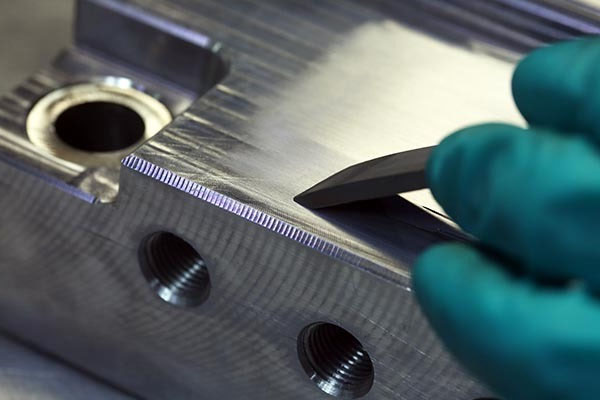
Mold surface textures refer to the patterned or smooth finishes applied to the surface of injection molds, which then transfer to the plastic parts during the molding process. These textures affect both the aesthetics and functionality of the final product, making them an essential consideration in plastic injection molding.
Why Mold Surface Textures Matter:
- Aesthetic Appeal: Textures can create a matte, glossy, or patterned finish, enhancing the visual quality of the product.
- Functionality: Certain textures improve grip, reduce friction, or enhance durability.
- Defect Concealment: Textured molds can mask imperfections like weld lines or flow marks.
Whether you’re designing plastic prototypes or end-use parts, the right surface texture contributes to a professional, polished product.
How Are Mold Surface Textures Applied to Injection Molds?
The process of adding textures to injection molds involves specialized techniques to ensure precision and consistency. These textures can range from simple polished finishes to complex patterns.
Methods of Applying Mold Surface Textures:
- Etching: A common method where chemical processes create textures on the mold’s surface.
- Laser Engraving: A precise technique that uses lasers to carve intricate patterns into the mold.
- Sandblasting: This involves using abrasive materials to roughen the mold’s surface, creating a matte finish.
Each method is chosen based on the required texture depth, material compatibility, and surface finish standards.
How Does Mold Texture Impact Plastic Injection Molding?
The texture on a mold significantly influences the injection molding process and the final part quality.
Impacts on Molding:
- Material Flow: Textured molds can affect how molten plastic flows during the injection process, potentially influencing the fill pattern.
- Demolding: Certain textures may require additional care to ensure the part releases smoothly without damage.
- Post-Processing: Textured parts often require less finishing work, reducing overall production time and cost.
Optimizing mold textures can lead to better surface finish, improved durability, and reduced defect rates in plastic parts.
What Are the Standards for Mold Surface Textures?
To maintain consistency and quality in manufacturing, there are established surface finish standards for molds.
Overview of Mold Texture Standards:
- SPI Standards: Developed by the Society of Plastics Industry, SPI standards categorize finishes into grades like A (polished), B (satin), and C (matte).
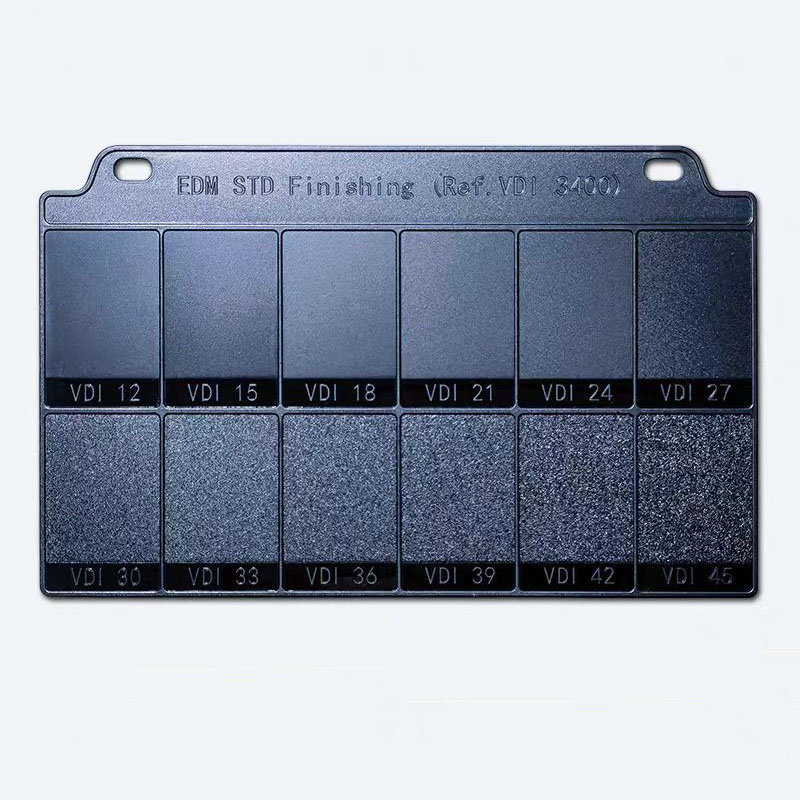
- VDI 3400: This European standard uses a numerical system to classify textures based on roughness levels.
These standards guide manufacturers in choosing and applying the appropriate mold surface textures for their applications.
What Are SPI and VDI 3400 Mold Texture Standards?
SPI Surface Finish Standards:
- Grade A: High-gloss finishes achieved through diamond polishing.
- Grade B: Semi-gloss finishes created with grit polishing.
- Grade C: Matte finishes, often achieved through sandblasting.
VDI 3400 Texture Standards:
This system uses numbers from VDI 12 (smooth) to VDI 45 (rough), making it easy to specify the desired roughness level.
These standards ensure global consistency in textured injection molds, simplifying communication between designers and manufacturers.

How to Choose the Right Mold Texture for Your Application?
Selecting the ideal mold surface texture depends on the product’s function, material, and design requirements.
Considerations:
- End-Use: For consumer goods, prioritize aesthetics and feel. For industrial parts, focus on functionality.
- Material Compatibility: Ensure the texture works well with your chosen plastic material.
- Cost Implications: Complex textures may increase tooling costs.
Consulting with a mold tech expert can help determine the best mold texture standard for your project.
What Are the Advantages of Textured Injection Molds?
Benefits of Mold Texturing:
- Improved Aesthetics: Adds a premium look to products.
- Enhanced Grip: Functional textures improve usability.
- Defect Masking: Hides imperfections like weld lines or sink marks.
- Durability: Textures can increase scratch resistance.
These advantages make textured molds an essential tool in plastic injection molding.
How Can Mold Surface Texture Improve Surface Finish?
A well-designed texture enhances the surface finish of a part, making it more appealing and functional.
How It Works:
- Polishing: Creates a smoother base for texture application.
- Pattern Uniformity: Ensures even texture across the part.
- Surface Coatings: Additional coatings can improve texture durability and finish.
What Are Common Challenges in Mold Texturing, and How Are They Solved?
Challenges:
- Texture Inconsistency: Solved through precise laser engraving.
- Demolding Issues: Addressed by optimizing mold design for smooth part ejection.
- Material Limitations: Certain plastics may not adhere well to textured molds.
Collaborating with experienced mold technicians ensures these challenges are minimized.
FAQs
What are the common standards for mold surface textures?
The most widely recognized standard is the SPI Mold Texture Standards, which categorize textures based on surface roughness (Ra) values.
How do I choose the right mold texture for my plastic part?
Consider factors like the product design, material properties, manufacturing process, and end-use application to select the optimal mold texture.
Can mold textures be changed or updated during production?
Yes, it is possible to modify mold textures, but it requires careful planning and may involve additional costs and downtime.
How do I maintain the consistency of mold textures over time?
Proper mold maintenance, controlled environmental conditions, and consistent manufacturing processes are key to maintaining texture consistency.
What are the advantages of using customized mold textures?
Customized textures can enhance the aesthetics, functionality, and differentiation of plastic products, providing a competitive edge in the market.
Comments
Latest Posts
Related Blogs
Senyo’s blog is focused on sharing our extensive knowledge of prototype manufacturing. Through our articles, we aim to support you in refining your product design and navigating the complexities of rapid prototyping more effectively.