Low Volume Plastic Molding: What is It

목차

Modern product development operates at an unprecedented speed. The ability to iterate quickly, test new designs, and enter niche markets is no longer an advantage; it is a necessity for survival. Traditional mass production methods, particularly injection molding, have historically been defined by high upfront tooling costs and long lead times, creating a significant barrier for projects that do not require millions of parts. This is the critical gap that low volume plastic molding fills.

This specialized manufacturing process is a strategic tool. It leverages the precision and quality of injection molding but adapts it for smaller quantities, typically from 100 to 10,000 parts. It is the ideal solution for producing high-quality prototypes, conducting market validation, and launching products with agility. This guide will provide a deep, technical explanation of low volume plastic molding. We will explore its core benefits, the technology behind it, and when it is the optimal choice for your project. With expert partners like 세뇨라피드, this process can revolutionize your manufacturing strategy.

What is Low Volume Plastic Molding?

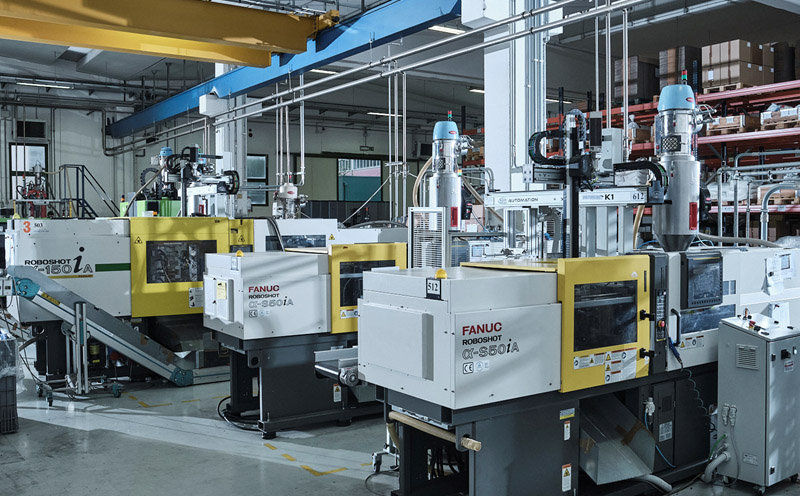
Low volume plastic molding is a manufacturing process that uses injection molding technology to create plastic parts in small quantities. The fundamental physics of the process are identical to high-volume injection molding. A machine melts thermoplastic pellets and injects the molten material into a mold cavity under high pressure. The plastic then cools and solidifies into the final part shape.

The key difference lies in the strategy, tooling, and equipment. Instead of building extremely durable and expensive steel molds designed to last for millions of cycles, low volume plastic molding often uses more cost-effective tooling. The injection molding machines may be smaller, requiring less force and energy. This approach dramatically reduces the initial investment and setup time. It allows engineers to get production-quality parts in their hands quickly and affordably, making it a cornerstone of agile product development.

The Strategic Advantages of Low Volume Production

선택 low volume plastic molding offers a range of powerful benefits that align with the needs of modern manufacturing. It is more than just a way to make a few parts; it is a strategy to reduce risk and accelerate innovation.

  • Accelerate Speed to Market: The primary advantage is speed. By using rapid tooling techniques, a mold can be designed, manufactured, and producing parts in a matter of weeks, not months. This allows you to move from final design to physical part validation incredibly quickly.
  • Reduce Financial Risk: The cost of a low-volume mold is a fraction of a high-volume production mold. This significantly lowers the financial barrier to entry, allowing you to test a new product idea without committing massive capital to tooling.
  • Enable True Design Flexibility: This process empowers iterative design. You can produce a small batch of parts, test them in real-world conditions, and then easily make design modifications to the mold. This cycle of testing and refinement is prohibitively expensive with traditional molding.
  • Validate with Production-Grade Materials: Unlike some prototyping methods, low volume plastic molding allows you to use the exact same thermoplastic materials that will be used in mass production. This is crucial for accurate functional, thermal, and chemical resistance testing.
  • Facilitate Bridge Production and Market Testing: It serves as a perfect “bridge” between prototyping and mass production. You can use it to launch a product, gauge market demand, and generate initial revenue while your high-volume production tooling is being manufactured.

Tooling Strategies for Low Volume Molding

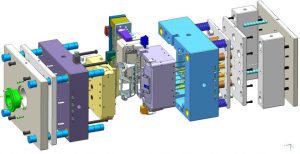
The tooling is the heart of the low volume plastic molding process. The choice of mold material and design is the primary driver of cost and speed. The two most common materials for this application are aluminum and P20 steel.

Aluminum molds are the workhorse of rapid injection molding. Aluminum is much softer than steel, which allows it to be machined significantly faster—often in one-third of the time. This directly translates to lower tooling costs and shorter lead times. While not as durable as steel, a high-quality aluminum mold can still produce thousands or even tens of thousands of parts, making it perfect for most low-volume applications.

P20 steel is a type of pre-hardened tool steel. It is more durable than aluminum and offers a longer tool life, but it takes longer and costs more to machine. It is an excellent intermediate choice for projects that may require slightly higher volumes or for molding more abrasive plastics like those containing glass fibers.

Tooling CharacteristicAluminum MoldsP20 Steel Molds
초기 비용낮음Medium
리드 타임Very Fast (1-4 weeks)Moderate (4-8 weeks)
Tool Lifespan5,000 – 10,000+ parts50,000 – 100,000+ parts
Design ChangesEasier and cheaper to modifyMore difficult and expensive to modify
최상의 대상Prototyping, bridge production, rapid iterationHigher-volume bridge production, abrasive materials
부품 복잡성Good for most geometriesExcellent for highly complex and detailed parts

When Should You Choose Low Volume Plastic Molding?

This process is not a replacement for mass production, but a specialized tool for specific scenarios. Understanding these use cases helps you leverage its full potential.

Use Case 1: High-Fidelity Prototyping

When you need to move beyond 3D printed models and test a design with the look, feel, and strength of a final product, low volume plastic molding is the ideal choice. It allows you to create functional prototypes from production-grade thermoplastics for rigorous testing.

Use Case 2: Bridge Production

Imagine your product is ready for launch, but the high-volume steel tooling will take another three months to complete. This is a perfect scenario for bridge production. You can use a low-volume aluminum mold to manufacture the first few thousand units to meet initial demand, ensuring you do not miss your market window.

Use Case 3: Niche Markets and Customization

For products with a limited but dedicated customer base, such as specialized medical devices or industrial equipment, mass production may never be economically viable. Low volume plastic molding allows you to serve these niche markets profitably. It also enables you to offer customized versions of a product without investing in separate high-volume molds for each variation.


Key Technical Considerations in the Process

While the strategy is different, the science of the molding process remains critical. A successful outcome depends on precise control over key variables.

The Critical Role of Injection Pressure

Injection pressure is the force that pushes the molten plastic into the mold cavity. An experienced molder carefully controls this variable. If the pressure is too low, it can lead to several defects. These include “short shots,” where the mold does not fill completely, and a poor surface finish. If the pressure is too high, it can cause “flash,” where excess plastic seeps out of the mold seams, and can put unnecessary stress on the part. Expert partners use scientific molding principles to establish the optimal pressure for each specific part and material combination.

Material Selection and Validation

One of the most significant advantages of low volume plastic molding is the ability to use virtually any commercially available thermoplastic. This is a critical distinction from 3D printing, which is limited to a smaller range of materials. With low-volume molding, you can validate your design using the exact material intended for the final product, whether it’s common ABS, durable polycarbonate, flexible TPE, or a high-performance PEEK. This ensures that your functional tests are accurate and meaningful.

How to Select the Right Low Volume Molding Partner

Choosing the right partner is the most important decision you will make in your low volume plastic molding project. The quality of your partner directly determines the quality of your final parts. Here is what to look for:

  • Robust Engineering Support: Look for a company that offers in-depth Design for Manufacturability (DFM) analysis. A good partner, like 세뇨라피드, will act as a consultant, helping you optimize your design for the molding process to improve quality and reduce costs.
  • In-House Tooling Capabilities: A supplier with in-house mold-making capabilities has greater control over quality and timelines. They can build and modify tools faster than a company that outsources this critical step.
  • Transparent Quoting and Communication: The quoting process should be clear and detailed. You should receive a quote that breaks down tooling costs and part costs. Communication should be proactive and responsive throughout the project.
  • Proven Quality Systems: Ensure the company is certified to quality standards like ISO 9001. This indicates they have robust and repeatable processes for ensuring part quality and consistency.
  • Range of Services: A partner that offers a spectrum of services, from 신속한 사출 성형 to high-volume production and secondary operations, can scale with you as your product succeeds.

결론

Low volume plastic molding has revolutionized modern manufacturing. It is an essential technology for any company that needs to innovate quickly, reduce financial risk, and bring high-quality products to market faster. By leveraging cost-effective rapid tooling and the precision of the injection molding process, it provides an agile and powerful solution for prototyping, bridge production, and niche market manufacturing. The key to success lies in understanding its strategic applications and selecting an expert manufacturing partner who can provide the engineering support and technical excellence your project deserves.

댓글

최신 게시물

지금 문의 보내기
Drag & Drop Files, Choose Files to Upload

Talk to us

Didn’t find what you want? Contact us and we will be in touch shortly.