Prototype Parts: Mastering Metal and Plastic Manufacturing

目次

Developing a new product or component begins with an idea. Transforming that idea into a tangible form, however, requires a critical step: prototyping. Prototyping allows innovators to validate designs, identify flaws early, and assess a product’s fit and durability long before full-scale production. This initial stage is crucial for mitigating risks and ensuring a successful market launch.

Choosing the appropriate manufacturing method for your 試作部品 is a pivotal decision. The ideal process balances affordability, a short lead time, and uncompromised quality. This comprehensive guide explores common rapid prototyping methods, offering insights into selecting the best approach for your specific needs. We will also provide essential design considerations for both metal and plastic 試作部品.

4 Key Methods for Rapid Prototyping

The landscape of rapid prototyping offers several powerful techniques, each with distinct advantages. Understanding these methods empowers you to make informed decisions for your 試作部品.

1. CNC Machining

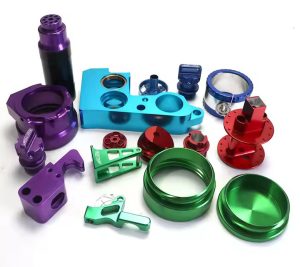
CNC (Computer Numeric Control) machining stands as a cornerstone in prototype creation. Its widespread adoption is evident in numerous industries; for instance, Apple utilized CNC machines to prototype the MacBook’s aluminum enclosure when transitioning from polycarbonate designs.

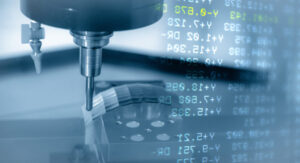
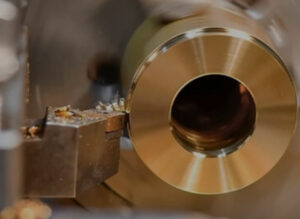
CNC machining operates as a subtractive manufacturing process. Computerized controls guide cutting tools, precisely removing material from a raw workpiece. This meticulous process continues until the desired custom prototype part emerges.

This method boasts exceptional accuracy, achieving tolerances as tight as ±4 μm. Furthermore, CNC machining accommodates a vast array of materials, including virtually any metal or plastic, provided they are available in block form. This versatility makes it a go-to for many complex and high-precision 試作部品.

2. 3D Printing

3D printing, an additive manufacturing technique, shares a fundamental similarity with CNC machining: both rely on 3D CAD models and computer instructions to automate prototype part creation. However, their approaches differ significantly. While CNC machining removes material, 3D printing builds objects layer by layer from the ground up.

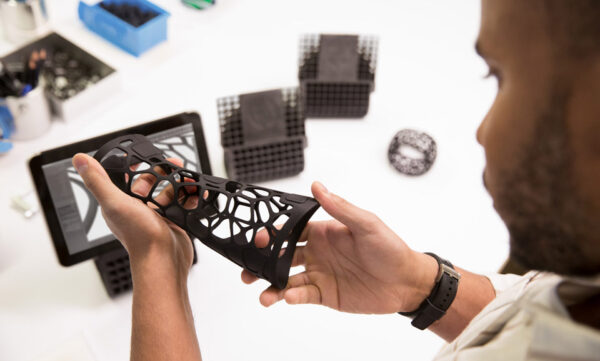
Various 3D printing technologies exist, each suited for different applications. Stereolithography (SLA), Fused Deposition Modeling (FDM), and Selective Laser Sintering (SLS) are prominent examples. These technologies typically offer minimum feature sizes ranging from 0.25 mm to 0.8 mm, providing sufficient accuracy for most prototyping demands. 3D printing excels in producing intricate and geometrically complex 試作部品 that might be challenging or impossible with traditional methods.

3. Urethane Casting

Urethane casting, also known as vacuum casting, offers an effective solution for producing plastic 試作部品 using silicone molds under vacuum conditions. The process typically begins with creating a master pattern, often using CNC machines or 3D printers. Liquid polyurethane is then poured into the silicone mold, replicating the master pattern to create multiple copies of the prototype part design. This method is particularly efficient for producing small to medium batches of high-quality, functional plastic prototypes.

4. Rapid Injection Molding

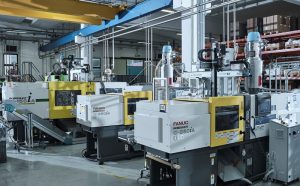
Rapid Injection Molding (RIM) represents an accelerated version of conventional injection molding. This process leverages the speed and precision of CNC machining to quickly create mold cavities. This capability allows for the efficient production of complex 試作部品 with intricate features. RIM is ideal for scenarios requiring larger volumes of plastic prototypes with excellent surface finishes and mechanical properties, bridging the gap between low-volume prototyping and mass production.

Choosing the Right Manufacturing Method for Your Prototype Parts

Selecting the optimal manufacturing method for your 試作部品 involves weighing several critical factors. Each technique offers a unique set of advantages.

Consider the following aspects when making your decision:

  • Desired Mechanical Properties: What specific strength, flexibility, or other physical characteristics must your 試作部品 possess?
  • Volume Requirements: How many identical 試作部品 do you need?
  • 予算の制約: What is your financial allocation for the prototyping phase?
  • Lead Time: How quickly do you need the 試作部品?
  • Material Compatibility: Which materials are essential for your design, and which methods support them?

Comparative Analysis of Prototyping Methods

特徴CNC加工3DプリンティングUrethane Casting高速射出成形
Tolerance/AccuracyExcellent (up to ±4 μm)Good (0.25-0.8 mm feature size)グッド非常に良い
素材適合性Broad (most metals, plastics in blocks)Limited (thermoplastics, some metals)Polyurethanes (plastic-like properties)Thermoplastics, Thermosets
Volume SuitabilityLow to Medium, large individual partsLow to Medium, complex geometriesLow to Medium (10-100 units)Medium to High (100+ units)
リードタイムShortShort to MediumミディアムMedium to Long (initial mold creation)
コストModerate (per part depends on complexity)Moderate to High (material cost, machine time)Low to Moderate (after master pattern)Moderate (tooling costs can be significant)
表面仕上げ非常に良いVariable (depends on technology, post-processing)素晴らしい素晴らしい
デザインの複雑さModerate to High (limited by tool access)Very High (intricate geometries, internal features)中程度から高高い
Material WasteSignificant (subtractive)Minimal (additive)MinimalMinimal

You should opt for CNC rapid prototyping if your priorities include a blend of quality, a short lead time, affordability, and extensive material compatibility. CNC machining also proves ideal for producing larger volumes of prototypes with specific, desirable mechanical properties. However, this subtractive process inherently generates material waste.

3D printing addresses the material wastage challenge associated with CNC machining and delivers high-quality surface finishes. However, it often comes with higher costs and a more restricted selection of materials. 3D printing technology primarily works with thermoplastics like ABS, nylon, PLA, and ULTEM, along with a select few metals such as tool steel, stainless steel, titanium, and aluminum.

Urethane cast and injection molded 試作部品 combine the structural integrity of CNC machined components with the excellent surface finishes achievable through 3D printing. These methods are also quite affordable, particularly when fabricating larger runs of plastic prototypes.

Nevertheless, urethane casting and rapid injection molding typically involve longer lead times compared to 3D printing and CNC machining. As a general guideline, consider these methods if you need to create 100 or more identical plastic 試作部品.

Enhancing Performance: Tips for Rapid Prototyping Metal Parts

Manufacturing metal 試作部品 demands precision and adherence to specific design principles. These tips will help you achieve optimal results.

  • Prioritize CNC Rapid Prototyping: Use CNC rapid prototyping for metal parts unless your design incorporates recessed features that CNC machines cannot easily access.
  • Utilize 3D Printing for Complex Features: Employ 3D printers to fabricate prototypes with recessed features or intricate internal geometries that prove challenging for CNC machines.
  • Optimize Cavity Design: Design cavities with a depth-to-width ratio of less than 4. This helps minimize excessive vibration and tool deflection during CNC machining, ensuring higher accuracy for your 試作部品.
  • Maintain Adequate Wall Thickness: Design your metal 試作部品 with a wall thickness greater than 0.8 mm. Thin-walled metal structures are susceptible to deformation during the CNC machining process.
  • Outsource to Experts: Partner with a reputable machine shop to save time and reduce manufacturing costs. Experts bring specialized knowledge and equipment, ensuring high-quality 試作部品.

Streamlining Production: Tips for Prototyping Plastic Parts

While 3D printing, injection molding, and urethane casting remain popular for plastic 試作部品, CNC machining can offer a superior alternative in specific situations. For instance, CNC machining excels when your design features minuscule details or when you work with specialty plastics such as PVC, PEI, and PEEK.

If you choose 3D printing for your plastic 試作部品, these design considerations will help you reduce costs and ensure successful fabrication.

  • Hollow Out Bulky Parts: Make bulky non-functional 試作部品, especially those intended for visual representation, hollow. This reduces material usage and print time.
  • Minimize Support Structures: Reduce the need for support structures in your design. Excessive supports consume more material and increase 3D printing duration.
  • Select an Advanced Manufacturer: Choose a third-party manufacturer equipped with state-of-the-art 3D printing technology, highly qualified technicians, and stringent quality control experts. Their expertise guarantees superior plastic 試作部品.

結論

Successfully manufacturing 試作部品 is a critical phase in product development. It allows for rigorous testing, design refinement, and ultimately, the creation of a superior final product. By carefully considering the advantages and limitations of CNC machining, 3D printing, urethane casting, and rapid injection molding, you can select the most appropriate method for your specific project. Adhering to best practices for both metal and plastic prototypes further ensures the quality, functionality, and cost-effectiveness of your 試作部品. Strategic planning and the right manufacturing partner transform innovative concepts into successful realities.

コメント

最新の投稿

今すぐお問い合わせを送信
Drag & Drop Files, Choose Files to Upload

Talk to us

Didn’t find what you want? Contact us and we will be in touch shortly.