作マークの精密CNCテキスト加工技術
テーブルの内容
結論
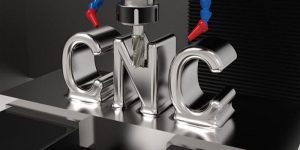
一時的なラベルやスタンプにうんざりしていませんか?テキストミリング技術は、優れたソリューションを提供します。メーカーは、非常に正確で永続的なマーキングをワークピースに直接埋め込むことができます。このプロセスにより、さまざまなコンポーネントに複雑なデザインやロゴを簡単に作成できます。この記事では、この高度な製造技術の基礎を掘り下げ、その応用と関連する側面を探ります。
CNC彫刻におけるテキストミリングの本質
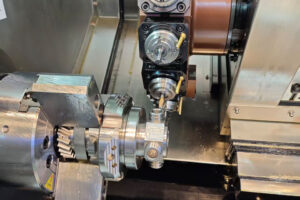
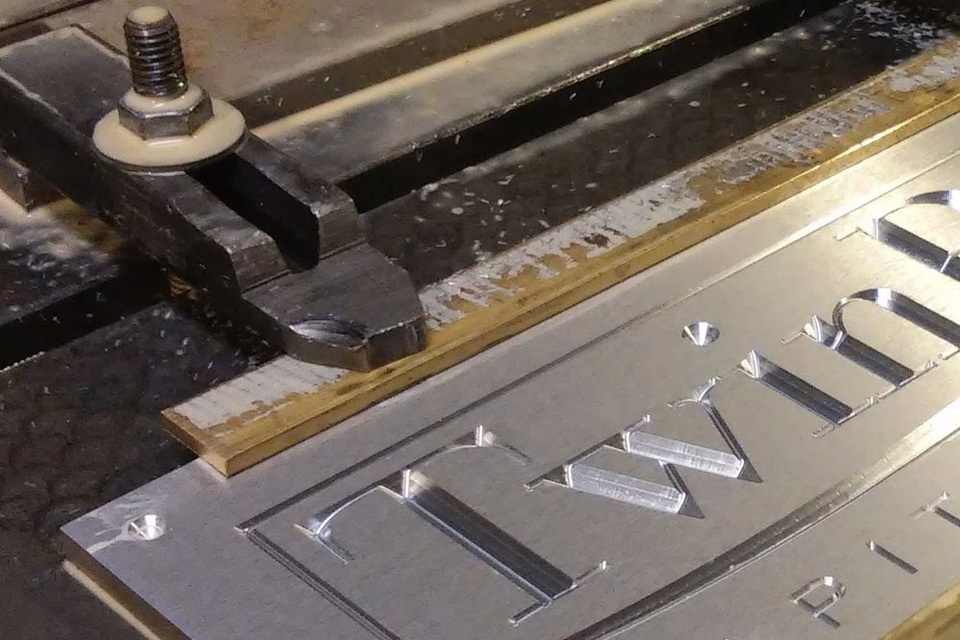
CNC(コンピューター数値制御)は、現代の商業機械加工の要です。これにより、非常に精密な複雑な形状や部品の製造が容易になります。無数の機能の中でも、テキストミリングは、ロゴデザイン、シリアル番号、魅力的なスタイルを正確かつ確実に開発できる点で際立っています。そのコンピューター制御の性質は、正確で整然とした、永続的な結果を保証し、高度な技術とは一線を画しています。
CNCテキスト彫刻の指定
多くの製品にエッチングされた永続的なロゴとメッセージの背後にある方法について考えたことはありますか?基盤となるメカニズムを探りましょう。
CNC機械加工は、コンピューターが写真またはテキストデータを解釈することから始まります。この情報をベクトルジオメトリに変換します。入力を単に複製するのではなく、コンピューターシステムはそれを基本的な線とフォーム(ベクトル)に変換します。これらのベクトルは、切削工具の動きを支援する特定のマップとして機能します。次に、ツールはレイアウト、テキスト、またはロゴデザインをワークピースに慎重に彫刻し、高い精度と永続的な耐久性の両方を保証します。
機械加工部品の彫刻の一般的な用途
私たちは日常生活の中で、さまざまなコンポーネントに丹念に刻まれた数字、ロゴ、トレーニングノートに定期的に遭遇します。これらのマーキングは単なる装飾ではありません。ブランディング、認識、運用サポートなどの重要な機能を提供します。電子機器のブランド名ロゴや産業機械のシリアル番号の普遍性を考えてみてください。
テキストミリングの重要性
ロゴデザイン、識別番号、ブランドは、すべてのアイテムに独自のアイデンティティを与えます。iPhoneは、その地域に関係なく、その特徴的なマーキングを通じてすぐに識別できます。これらの碑文は、ブランド名の認識と製品の区別に不可欠です。その結果、テキストミリングは現代の生産における重要なツールであり、企業は特別な市場での存在感を開発および維持することができます。
テキスト、数字、ロゴの彫刻
CNCテキストミリング装置は、スタイルタイプ(メッセージ、数字、または複雑なロゴ)に合わせてカスタマイズされた特定のプログラミングコードを利用します。スタイルが単純であろうと複雑であろうと、CNCテキストミリングマシンの固有の精度により、完成したアイテムの卓越した精度と一貫性が保証されます。
テキストミリングと他の彫刻方法
このセクションでは、代替のテキスト彫刻技術を検討し、テキストミリングを優先する時期を強調します。
テキストとロゴを彫刻する代替方法
レーザー彫刻と手動スタンピングは、ロゴとテキストをワークピースに刻印する一般的な方法です。両方について詳しく説明します。
レーザー彫刻テキスト
レーザー技術は、部品にテキストを彫刻するための確立された耐久性のある方法を提供します。このプロセスでは、ワークピースに向けられた高エネルギーの集束レーザービームを利用します。レーザーの強烈なエネルギーは表面材料を蒸発させ、それによって目的のテキストを作成します。この方法は、特定の用途において詳細さと速度に優れています。
手動刻印テキスト
手動刻印は、ハンマーまたはスチールダイプレスを使用して、ワークピースにテキストを刻印することを含みます。この伝統的な方法は費用対効果が高いことが証明されています。ただし、高い精度が最重要ではなく、ワークピースが刻印力に耐えるのに十分な強度を備えている用途に最適です。
ラベルの制限
ラベルは、基本的にステッカーであり、機械またはコンポーネントをマーキングするための一時的なソリューションを提供します。高温や振動などの動作条件により、これらのステッカーは時間の経過とともに劣化して剥がれ落ちます。このため、永続的な識別や重要な情報には適していません。
部品マーキングのためのミリングとレーザーの選択
テキストミリングとレーザー加工の最適な選択は、特定の用途と部品の動作環境によって異なります。過酷な条件に耐える必要のある耐久性のある高精度のマーキングには、テキストミリングが推奨される方法です。
レーザーは費用対効果と精度のバランスを提供し、このトレードオフが許容される用途に適しています。手動刻印は、精度を犠牲にしますが、最小限の精度で十分な場合に最も経済的なマーキングソリューションを提供します。
テキストミリングの長所と短所
| パフォーマンス | 短所 |
|---|---|
| 統合された完了を提供します。 | 操作には熟練したCAMプログラマーが必要です。 |
| ワークピースに永続的なマークを残します。 | 生産時間とコストを大幅に増加させます。 |
| 完全に自動化されたプロセスにより、一貫性が確保されます。 | 非常に硬い表面や既に仕上がっている表面には適していません。 |
| テキストに対して高い精度を実現します。 | 高価で特殊な工具が必要です。 |
金属およびプラスチック部品のテキストミリング
金属とプラスチックは、明確な化学的、物理的、および機械的特性を示します。 その結果、テキストミリングのアプローチは、これらの材料カテゴリで大きく異なります。
金属部品へのテキストの追加
アルミニウム、ステンレス鋼、チタンなどの金属は、高い強度と耐久性を備えています。 これらの部品にテキストを彫刻するには、高いスピンドル速度が必要です。 さらに、オペレーターは、材料の破損や損失を防ぐために、切削深さを細心の注意を払って制御する必要があります。 堅牢な金属で鮮明でクリアなテキストを実現するには、正確な機械制御と適切なツーリングが必要です。
プラスチック部品へのテキストの追加
テキストミリングプラスチック部品は、独自の課題と考慮事項を提示します。 ポリ塩化ビニル(PVC)やアクリロニトリルブタジエンスチレン(ABS)などの一般的なプラスチックは、融点が低いため、比較的簡単に切断できます。 ただし、過度の処理温度は、プラスチック部品にひび割れや変形を引き起こす可能性があります。 したがって、切削パラメータの慎重な管理が重要です。
機械加工された部品テキストの設計原則
効果的な彫刻には、基本的なテキスト設計原則を理解することが不可欠です。
レリーフモード:隆起と沈み込み
- 隆起したテキスト: 読みやすく、耐摩耗性のあるテキストの場合、隆起したデザインは優れた選択肢です。 この方法では、テキストの周囲の素材を取り除き、文字を高くします。
- インタリオ彫刻(沈み込みテキスト): 費用対効果と細部が優先される場合、インタリオ彫刻は理想的であることが証明されています。 この方法は、文字を材料に直接彫刻します。 インタリオ彫刻は、一般に、隆起したテキストと比較して、より多くの材料を節約します。
Path Type: Centerline vs. Contour
Centerline Engraving
This method suits smaller text, often used for serial numbers and codes. In centerline engraving, the tool traces the center of the text lines, much like a pen.
Contour Engraving
Employ contour engraving when the design demands sharper, more pronounced text. Here, the tool cuts along the periphery of the logo, text, or shape, defining its contours.
Minimum Feature Size for Readable Letters
Consider these size parameters for optimal text legibility:
Character Height Guidelines
For clear visibility, letters on the workpiece should possess a minimum height of 2.5 mm. Smaller characters may become illegible, especially under varying lighting conditions or at a distance.
Line Width and Tool Diameter
The ratio between the desired line width and the tool diameter directly impacts the tool’s ability to achieve the intended shape. Using a tool diameter approximately half of the expected line width often yields excellent readability.
Structural Safety Tips for Text Placement
Exercise caution when engraving text on parts, as improper placement can introduce weak points and compromise structural integrity. Adhere to these structural safety guidelines:
- Depth Limit: Never engrave text deeper than 10% of the component’s total thickness.
- Edge Clearance: 端にテキストを近づけすぎないでください。これらの領域にわずかな負荷がかかるだけでも、材料の破損につながる可能性があります。
- 均一性: 構造安定性を保つために、全体を通して文字の深さを一定に保ってください。
- 応力フロー: 材料の構造的完全性を低下させる可能性のある、高応力領域にテキストを彫刻しないでください。
後処理に関する注意: 表面処理の前に必ず彫刻を行ってください。処理後の彫刻は、コーティングや塗装層を損傷する可能性があります。
CNCテキストミリング用のフォントの選択
このセクションでは、CNCテキストに適したフォントの選択について説明します。
彫刻用モノラインフォント
小さなテキストや時間的制約がある場合、シングルライン(モノライン)フォントが最適です。ツールパスの長さが短いため、テキストの刻印に迅速かつ効率的な選択肢となります。
TrueTypeからベクターへの変換
TrueTypeフォントをベクターに変換して、コンポーネント上の複雑なテキストを明確にレンダリングできるようにします。設計プログラムは、この不可欠な変換を容易にします。
シリアル番号用等幅フォント
シリアル番号やコードには、等幅フォントをお勧めします。文字幅が一定であるため、読みやすさと一貫性が向上します。
CJKサポートと特殊記号
CJK (Chinese, Japanese, Korean) symbols and other specialized characters become crucial when products are intended for export to or use in these regions. Ensure your software and process support these character sets.
Stick Font Sources
Many CNC libraries offer stick fonts, which are optimized for single-line engraving and provide a streamlined solution for text creation.
Text-to-G-code CAM Workflow
This section outlines the complete workflow for text engraving, from CAM software to G-code generation.
Step 1: Create a Text Sketch
Begin by sketching the desired text within CAD software. Ensure correct letter composition and placement during this initial design phase.
Step 2: Vectorize the Font
Next, import the design into CAM software. Convert the text into vectors. This step allows the CAM software to generate the necessary tool paths for CNC engraving.
Step 3: Select Tool Path
CNC engraving typically employs two primary tool path strategies: carving or pocketing. The choice depends on the specific design requirements of your part. Carving follows lines, while pocketing removes material within a defined area.
Step 4: Define Cutting Data
Set the parameters for text engraving. Consider these critical variables:
- Feed Speed: The rate at which the cutting tool moves through the material.
- Spindle Speed: The rotation speed of the cutting tool.
- Cutting Depth: The depth of material removed with each pass.
Step 5: Simulate the Tool Path
Before actual machining, perform a simulation of the tool path. This identifies potential collisions, verifies tool movement, and ensures the accuracy of the programmed path.
Step 6: Post-processing, Verification, and Operation
In the final step, generate the G-code, the machine-readable instructions. Conduct a test run to confirm everything functions as expected. Finally, execute the job on the CNC machine.
Text Milling Materials and Surface Finishes
Different materials react uniquely to text milling. Some are easily machinable, while others present significant challenges. This section explores the characteristics of various materials in text milling.
Metals: Aluminum, Steel, Titanium
Most metals, such as aluminum and stainless steel, offer vibrant natural colors. Engraving on them often creates excellent contrast, enhancing text visibility over time. However, very durable and hard materials, like titanium, prove challenging to machine, making intricate engraving more difficult.
Plastics: ABS, PC, Acrylic
Plastics like ABS, PC (polycarbonate), and acrylic are generally easy to machine. However, excessive tool speeds or heat can compromise the plastic’s structural integrity, leading to deformation or cracking.
Other Material Options
Composite materials, for instance, often cause greater tool wear than metals and plastics during text milling. This necessitates careful tool selection and parameter adjustment.
Surface Finish After Text Milling
It is always best practice to mill text before applying any surface treatment. Engraving text after surface treatment can damage existing coatings or paint. Conversely, applying a surface treatment after engraving can enhance the readability and aesthetic appeal of the engraved text.
Paint, Powder, Anodizing Compatibility
| プロセス | Methods and Instructions |
|---|---|
| 陽極酸化処理 | Always perform anodizing その後 engraving. The anodized layer is a hard surface. Machining through it exposes unprotected metal, destroying the surface finish and corrosion resistance. |
| Paints and Powder Coatings | Engraving after coating can create a contrast effect, revealing the original metal color beneath. If you desire the text to be filled and match the coating color, you must engrave it 以前 applying the paint or powder coat. |
Free CNC Text Engraving Software
If you are seeking free software for text milling, this section provides valuable resources.
Free CNC Engraving Software Options
This section introduces free software for vector font design and CAM programming.
- Vector Font Design Software: For designing vector fonts and generating G-code output, consider using Inkscape in conjunction with its Gcodetools extension.
- CAM Programming Software: Fusion 360 offers sketching capabilities suitable for text design, with a free personal-use license.
Tiered Payment Options
Paid software solutions, such as VCarve Pro, offer extended features and enhanced precision. Mastercam provides a high-end solution for advanced CNC programming and text milling requirements.
Senyorapid: Your Partner for Integrated Text Milling in Machined Parts
Consider text engraving not as an optional add-on, but as a critical element that elevates product recognition and brand identity. Senyorapid, a leading manufacturing company, offers high-precision text engraving services. We leverage advanced processing equipment, including state-of-the-art CNC machines, to accurately and cost-effectively engrave text onto a wide array of parts. Our expertise ensures both aesthetic quality and functional longevity.
結論
Text milling holds immense significance in the industrial sector. It significantly enhances product recognition by enabling the precise engraving of text and logos onto components. Manufacturers can choose from various engraving methods, ranging from cost-effective manual stamping to highly precise CNC text engraving, depending on the specific application and desired outcome. This technology guarantees permanent, clear, and professional markings, crucial for branding, identification, and product differentiation in a competitive market.
Faq
What materials are best for text milling?
Materials exhibiting good ductility, such as aluminum and mild steel, are generally well-suited for text milling. Brittle materials pose greater challenges for engraving.
How deep should CNC text be?
The engraved text depth on processed parts should ideally not exceed 10% of the part’s total thickness to maintain structural integrity.
コメント
関連ブログ
仙のブログで共有における幅広い知識と経験による試作品製造. 弊社の記事を支援することを目指します石油精製製品のデザインとナビゲート、および、複雑な造形にします。