Rapid Prototyping Could Be an Advantageous Methodology
Table of Contents
Conclusion
Rapid prototyping may be a beneficial method which is frequently utilized in engineering, software development, and instructional design. The main idea behind such a process is to give the team members an opportunity to quickly create and iterate on a prototype thus resulting to a higher level of creativity, more effective problem-solving and, finally, faster innovation. The present article discusses the benefits of rapid prototyping, its use in various sectors, and the reasons why it is indispensable for any design project. People who read this article will be informed about the different ways in which rapid prototyping can be employed to make the process more efficient, to raise the standard of a product and to lower the expenses. Thus, designers, engineers, and educators cannot afford to miss this article.
What is Rapid Prototyping?
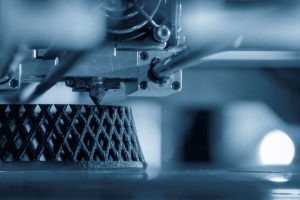
Rapid prototyping is a design process that is centered around the idea of fast production of a scaled-down version or a prototype of a product or service. The primary goal of this technique is to make the designers and engineers able to see the concept and the working of the product visually before a big production is made. Through the use of different technologies such as 3D printing, computer-aided design (CAD), and software simulations, the teams can produce models that are not only physical but also in a way the user interaction is possible.
The point of rapid prototyping is the iteration cycle. The idea is to spend less time and money on one single design, thus, the teams will be able to come up with numerous versions, test them, and get their concepts refined by real user feedback. This method is mainly useful in sectors such as software development where fast iterations can result in better user experience and functionality.
Why is Rapid Prototyping Considered an Advantageous Methodology?
Rapid prototyping could be an advantageous methodology for several reasons. Firstly, it allows for faster iterations, enabling teams to test and refine their ideas in real-time. This speed is crucial in today’s competitive landscape, where time-to-market can make or break a product.Secondly, it fosters collaboration among cross-functional teams. Designers, engineers, and stakeholders can come together to evaluate prototypes and provide input, ensuring that the final product meets user needs and expectations. This collaborative environment promotes innovation and creativity, leading to more effective solutions.Lastly, rapid prototyping is a cost-effective strategy. By identifying design flaws early in the process, organizations can avoid expensive changes later in development. This efficiency not only saves money but also reduces the risk of project delays, ultimately contributing to a smoother development process.
How Does Rapid Prototyping Compare to Traditional Prototyping Methods?
Usually traditional prototyping methods depict a longer and more sequential way of handling the process. On the other hand, rapid prototyping is less bound to the fixed requirements as it enables continuous iterations and feedback. Whereas traditional methods might invest up to many months in perfecting one single prototype, rapid prototyping is based on the idea that more iterations result in better outcomes.
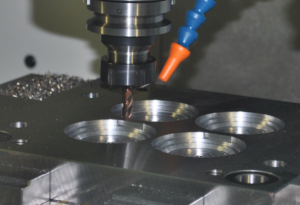
Technology is the main point where the two methods differ. Traditional prototyping is generally done manually, while rapid prototyping is done with the help of the advanced tools and software which make it possible to give quick adjustments and modifications. Such an inclusion of technology not only opens up for a more flexible designing process, but also is in line with the fast development of the modern projects.
Can Rapid Prototyping Solve Common Design Challenges?
Overcoming Design Obstacles
Designers are, in many cases, confronted with problems like vague requirements, modifications of the specifications, and the reception of the users’ feedback. Rapid prototyping is a tool that solves these problems by offering fast rounds of work and changes. Such flexibility helps to match the end product with the users’ needs and the objectives of the project without any difficulty.
Case Studies in Success
For instance, a technology company might employ rapid prototyping to quickly bring to life a new idea for a mobile app. In this way, the company opened the door for user input by producing a prototype. As a result, they fine-tuned the app features based on users’ needs to a greater extent. The company thus shortened the time-to-market while at the same time the chances of app success were raised substantially as a result of the iterative process.
How is Rapid Prototyping Applied in Instructional Design?
In the field of instructional design, employing rapid prototyping might serve as a powerful tool to invent novel computer-based learning programs. Such a process gives freedom to instructional designers for the swift creation and testing of educational materials that are capable of satisfying the requirements of different types of learners. Through the successive versions of the same content, format, and delivery methods, instructors can increase the potency of their teaching aids.
As an illustration, rapid prototyping is capable of contributing to the creation of online learning modules where designers come up with the initial versions, collect feedback from learners, and modify the content according to the practical applications. This cyclic approach is a guarantee that the end product will be attractive, up-to-date, and efficient in the accomplishment of learning objectives.
What Role Does Feedback Play in Rapid Prototyping?
Feedback is one of the essential elements in the rapid prototyping process. It steers the iterative development of the prototypes and provides the subsequent design decisions with the necessary information. Feedback, which can be user testing, peer reviews, or stakeholder input, is the main support for design teams in discovering their design functionalities and weaknesses. Frequently and early inclusion of feedback may raise the quality of the final product to a very high level. By knowing user needs and desires, the teams will be able to make the right changes that will improve the product’s functionality and usability. Such a collaborative way of working not only results in better outputs, but also, among team members and stakeholders, it creates the feeling of being owners.
What are the Key Components of a Successful Prototype?
Critical Elements
A successful prototype should include the following components:
- Functionality: The prototype must demonstrate the core functions of the final product.
- Usability: It should be user-friendly and intuitive.
- Feedback Mechanism: Allowing users to provide feedback is crucial for iterative improvement.
Enhancing Prototype Effectiveness
To enhance the effectiveness of a prototype, involve stakeholders early in the process, set clear objectives, and continuously refine the design based on user feedback. This approach will help ensure that the prototype meets the desired requirements and expectations.
Is Rapid Prototyping a Viable Method for All Industries?
Industry-Specific Considerations
Although rapid prototyping is beneficial in many ways, it is not appropriate for each sector. Take, for example, sectors that are heavily regulated, like the pharmaceutical industry, where quick changes and repetitions may conflict with compliance standards.
Limitations and Potential Drawbacks
Rapid prototyping consumes a lot of resources, among which are time and expertise, so it may not be possible for all organizations to carry it out. Besides that, concentrating only on the fast execution of the project can result in missing some quality or functionality aspects if it is not properly supervised.
FAQs
What is the primary benefit of rapid prototyping?
Rapid prototyping allows for quick iterations and user feedback, leading to more refined and user-friendly products.
How does rapid prototyping differ from traditional design methods?
Unlike traditional methods, rapid prototyping emphasizes speed and flexibility, enabling designers to make changes based on real-time feedback.
Can rapid prototyping be applied to physical products?
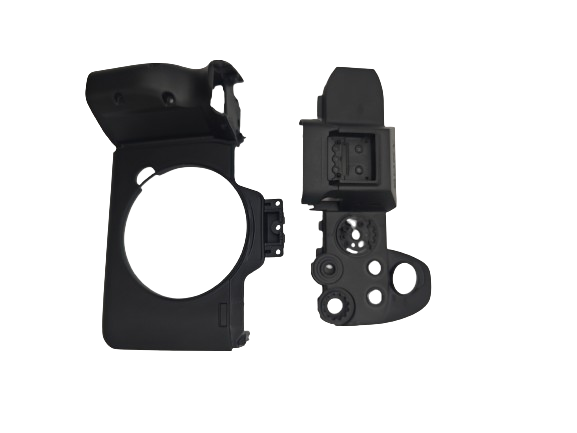
Yes, rapid prototyping can be applied to both digital and physical products, such as consumer electronics and automotive parts.
What tools are commonly used in rapid prototyping?
Common tools include CAD software, 3D printers, and wireframing tools for digital products.
Is rapid prototyping cost-effective?
While initial costs may be higher due to resources and expertise required, the long-term savings from reduced redesigns and improved product market fit often outweigh these costs.
Comments
Latest Posts
Related Blogs
Senyo’s blog is focused on sharing our extensive knowledge of prototype manufacturing. Through our articles, we aim to support you in refining your product design and navigating the complexities of rapid prototyping more effectively.