The Problem Of Injection Material Replacement That Is Easily Overlooked
In daily injection molding production, in most cases, it is difficult for injection molding machines to produce injection molded products using only one material. Having a flexible production mode to balance orders is a necessary ability.
Under normal circumstances, there are situations where residual materials cannot be mixed in:
a、 Different colors: When it is necessary to produce products of different colors frequently, even a small amount of color pollution can lead to color instability or local color differences in subsequent production. Small color differences are easily overlooked for QC quality inspection, especially in cases where full inspection is not carried out, and quality problems are often not detected.
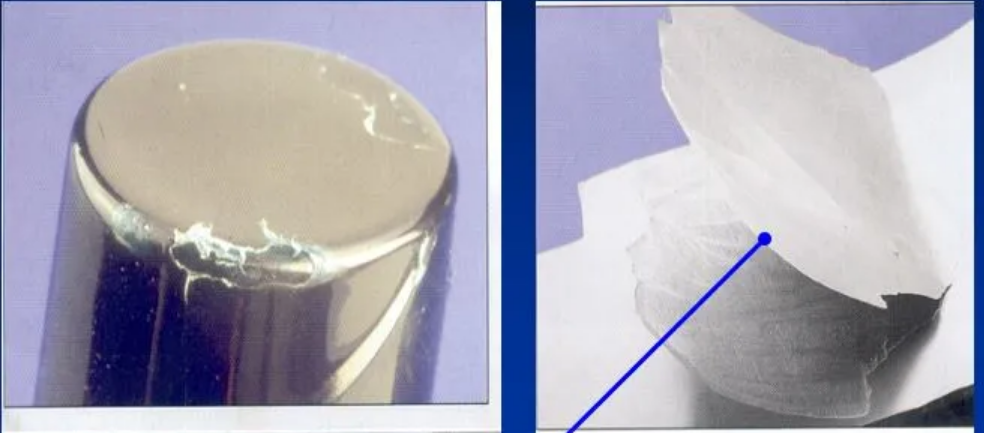
b、 Incompatible materials: Incompatible materials usually form flow marks or peeling on the appearance or inside during the injection molding filling process. Here are some common examples of incompatible materials:
The replacement of injection molding materials must be noted during the injection molding production process
Polyolefins (such as PE, PP) and polar plastics
Polyethylene (PE) and polypropylene (PP) belong to non-polar plastics with simple molecular structures and low surface energy. They are usually not easily compatible with polar substances such as polyamide (PA), polyester (PET), polyvinyl chloride (PVC), etc.
Incompatibility: Polyolefin plastics (such as PE and PP) have poor compatibility with polar plastics, and are prone to delamination, uneven dispersion, or interface defects when mixed, resulting in unstable performance of the formed plastic products, and may even cause cracks or peeling of the plastic products.
Polyvinyl chloride (PVC) and polyolefin (PE, PP)
PVC is a highly polar plastic with a high molecular weight and strong rigidity, while PE and PP are non-polar and flexible plastics.
Incompatibility: The high polarity of PVC and the low polarity of PE and PP result in poor compatibility between them, making it difficult to dissolve or mix with each other. The blending of PVC with PE and PP is often prone to delamination or interface defects.
Polystyrene (PS) and Polyurethane (PU)
Polystyrene (PS) is a rigid, non-polar plastic, while polyurethane (PU) is a type of polymer compound that can be thermoplastic or thermosetting and typically has high polarity.
Incompatibility: Due to polarity differences, it is often difficult to effectively mix PS and PU, and polyurethane may not be well compatible with polystyrene, resulting in uneven mixing during injection molding.
Polycarbonate (PC) and Polypropylene (PP)
Polycarbonate (PC) is an engineering plastic with extremely high strength and thermal stability, while polypropylene (PP) is a lower cost, flexible plastic.
Incompatibility: The significant difference in molecular structure between PC and PP makes it difficult for them to fully fuse during injection molding, often resulting in uneven distribution between materials and affecting the performance of the final product.
Polyamide (PA) and Polystyrene (PS)
Polyamide (PA) is a highly polar plastic with high wear resistance and mechanical properties, while polystyrene (PS) is a non-polar plastic with lower rigidity.
Incompatibility: Due to the polarity difference between polyamide and polystyrene, it is difficult to achieve good dissolution or mixing during the injection molding process, resulting in inconsistent performance or weak bonding of the product.
Polyethylene terephthalate (PET) and polyvinyl chloride (PVC)
PET is a thermoplastic polyester with high transparency and strength, widely used in the packaging industry. PVC is another widely used plastic, mainly used for products such as pipes and profiles.
Incompatibility: The chemical properties and molecular structure differences between PET and PVC often result in insufficient fusion when mixed.
Polytetrafluoroethylene (PTFE) and other plastics
Polytetrafluoroethylene (PTFE) is an extremely high-temperature and chemically resistant plastic with extremely low surface energy.
Incompatibility: PTFE differs greatly in physical and chemical properties from other common plastics such as PE, PP, etc., and is usually not well compatible with these materials, unable to form a good bond.
Polyether ether ketone (PEEK) and other thermoplastic materials
Polyether ether ketone (PEEK) is a high-performance engineering plastic with very high mechanical strength, high temperature resistance, and chemical resistance, commonly used in high-end fields such as aerospace and automotive.
Incompatibility: PEEK differs significantly in molecular structure and properties from many common thermoplastic materials such as PE, PP, PS, etc., making it difficult to fuse with each other.
Materials with significant differences in melting temperature
During the injection molding process, materials with significant differences in melting temperature often pose certain challenges for material replacement and production processes, as their processing temperatures vary greatly from low to high. Low temperature residual materials are prone to decomposition and pollution when mixed into high-temperature production, while high-temperature residual materials mixed into low-temperature production may cause inability to melt, blockage of small gates, or imbalance in hard gas multi cavity molding. They are also prone to incompatible appearance defects and weak mechanical properties inside or on the surface of injection molded products, which need to be cleaned up when switching materials.
PC (polycarbonate) vs PVC (polyvinyl chloride)
PC: The melting temperature is generally 230-270 ° C.
PVC: The melting temperature is generally between 160-220 ° C. The melting temperature difference between these two materials is significant, and switching from PC to PVC or vice versa requires significant adjustment of the temperature of the injection molding machine. Especially PVC requires lower temperatures and higher cooling rates during processing. If there is residual PC, it may affect the flowability of PVC and even cause bubbles or unevenness during molding.
PA (Nylon) vs. PE (Polyethylene)
PA: The melting temperature is generally 230-290 ° C.
PE: The melting temperature is generally 160-180 ° C. The melting temperatures of PA and PE differ significantly, especially when switching from PA to PE, careful adjustment of equipment temperature is required. The low melting point and low processing temperature of PE may be affected by the residual effect of PA, resulting in uneven material flow during processing and even causing equipment blockage.
PPS (polyphenylene sulfide) vs. PET (polyethylene terephthalate)
PPS: The melting temperature is generally 280-320 ° C.
PET: The melting temperature is generally 250-270 ° C. The melting temperature difference between PPS and PET is significant. Switching from PPS to PET or vice versa requires appropriate adjustments to the injection molding machine to avoid any discomfort during the processing. PPS has a high temperature and is difficult to clean, so special attention should be paid to cleaning equipment to avoid adverse effects on PET processing.
POM (polyoxymethylene) vs. ABS (acrylonitrile butadiene styrene copolymer)
POM: The melting temperature is generally 175-210 ° C.
ABS: The melting temperature is generally 220-250 ° C. The melting temperature difference between POM and ABS is significant. When switching from POM to ABS, it is necessary to adjust the temperature to adapt to the high melting point of ABS and avoid the residual POM affecting the processing quality of ABS. Meanwhile, POM is prone to moisture absorption, and if not thoroughly dried and cleaned, it may affect the transparency and surface quality of ABS.
PC (polycarbonate) vs. PMMA (polymethyl methacrylate)
PC: The melting temperature is generally 230-270 ° C.
PMMA: The melting temperature is generally between 200-250 ° C. Although the melting temperature difference between PC and PMMA is not as significant as the aforementioned materials, there is still a certain difference between them, especially when switching from PC to PMMA. Special attention should be paid to cleaning the material barrel and injection molding machine to avoid residual PC affecting the transparency and fluidity of PMMA.
PPSU (Polyphenylsulfone) vs. PBT (Polybutylene terephthalate)
PPSU: The melting temperature is generally 330-350 ° C.
PBT: The melting temperature is generally between 225-240 ° C. The melting temperature difference between these two materials is significant, especially between PPSU and PBT processed at high temperatures. Temperature adjustment and equipment cleaning need to be very careful to ensure that the forming quality of the materials is not affected.
TPE (thermoplastic elastomer) vs. PA (nylon)
TPE: The melting temperature is generally between 170-220 ° C.
PA: The melting temperature is generally 230-290 ° C. The melting temperature difference between TPE and PA is significant, with TPE having a lower melting temperature. Special attention should be paid to cleaning TPE residues to avoid impurities or poor molding during the PA molding process.
PVA (polyvinyl alcohol) vs. PS (polystyrene)
PVA: The melting temperature is generally 180-230 ° C.
PS: The melting temperature is generally 210-250 ° C. There is a significant difference in melting temperature between PVA and PS, especially PVA which has a special water solubility. It is necessary to pay great attention to cleaning the equipment to avoid PVA residue affecting the fluidity and molding effect of PS.
How to cut materials cleanly without contaminating each other?
1. Hopper cleaning: When material needs to be changed without replacing the hopper, we need to discharge the hopper and thoroughly clean the inside of the hopper to avoid irregular mixing of residual materials into the new injection molding process during subsequent production, which may cause discoloration and impurities. When users use a one-to-one central feeding or three machine integrated feeding system, and the switching requirements for raw materials are very thorough, we often cannot configure multiple three machine integrated dryers, as the equipment cost is high and there is not enough space on site to accommodate multiple dehumidifiers.
2. Pipeline pollution: The pollution of pipelines is completely different between one-to-one central feeding and multi cutting feeding systems. Many users believe that pipelines have high-speed materials and high-speed drying. The air flow and pipes should be clean, So it is easy to choose a relatively simple one-on-one feeding system. However, in reality, after installing the feeding system, most customers almost never clean the feeding system because they do not have effective cleaning methods. In fact, due to the non-conductive nature of the raw materials after drying, under high-speed flow friction, in addition to the inherent powder particles in the material, large new powder particles and extremely high static electricity will be generated during high-speed flow impact, especially for hard materials such as PS, PMMA, PET, etc. Under the action of static electricity, the powder particles will be adsorbed on some channel walls, and cross contamination will occur during material replacement and enter the new products. Multi colored customers will directly crush and downgrade the contaminated products for secondary material treatment, and will not consider it as material replacement pollution.
3. Static electricity pollution: Most factories use conventional plastic grease hoses as conveying pipelines in some locations, and in continuous production, more static electricity powder accumulates on the pipelines. Near the hopper, static electricity adsorbs more environmental dust on the resin particles, leading to product pollution.
In addition to strengthening management, effective measures to reduce cross contamination during refueling are:
1. When faced with frequent situations of material replacement that cannot cross contaminate each other, try to adopt a central feeding scheme with multiple cuts;
2. Try to use conductive materials or conduct grounding in the pipeline to avoid the generation of static electricity;
3. For the parts that require hoses, use hoses with anti-static properties to reduce the generation of static electricity;
4. Special materials should be pre planned, and some materials should be loaded independently by the machine to avoid pipeline pollution.
5. Special materials should use independent drying hoppers and not use the same hopper as materials that are prone to conflict;
Latest Posts
Related Blogs
Senyo’s blog is focused on sharing our extensive knowledge of prototype manufacturing. Through our articles, we aim to support you in refining your product design and navigating the complexities of rapid prototyping more effectively.