Introduction to Injection Molding and Injection Plastic Mold
Table of Contents
What Is A Good Injection Molding Part?
The processing of high-quality injection molded products is a systematic project that requires collaborative efforts in material selection, mold design, injection molding equipment, process parameter optimization, and quality control. Only by strictly controlling every aspect and paying attention to details can we produce high-quality injection molded products that meet market demand.

Equipment- Injection Molding Machine(IMM)
Machine Shot Size
1. Determination of Injection Quantity:
G=Product weight (calculated based on 3D)+Material head weight (calculated based on runner weight)
2. Confirm the injection volume with the machine:
2-1.Part Weight = 30 – 80 % of Machine Shot Size
Weight of the component=30-80% of the maximum injection volume of the machine (actual)
2-2. Maximum injection molding capacity of the machine (actual):
Machine injection capacity (actual)=Machine injection capacity (theoretical) * PM/PPS
Machine injection capacity (theoretical): Check machine parameters
PM ———— Use the specific gravity of raw materials
PPS – Specific gravity of polystyrene (PS) at room temperature (1.06g/cm3)
Machine Clamping Force
1. Selection of maximum clamping force for the machine: obtained according to the machine parameters
2. Calculation of required locking force for the product:
F=Q*S
F – The required locking force for the product
Q – Injection pressure inside the mold cavity
Need to investigate the pressure loss force of the flow channel inside the mold cavity
S – Products with pouring system on the parting surface
Total projected area, cm2
3. Standard requirements:
F<F (maximum clamping force of the machine) * 85%
Confirmation of Machine Installation Dimensions:
1. Dimensions of machine nozzle and mold gate sprue

2.Confirmation of machine installation dimensions
a. The radius R of the spherical groove in the sprue liner should be 1-2mm larger than the radius r of the spherical head of the machine nozzle
b. The diameter D of the small end of the sprue liner should be 1mm larger than the diameter d of the machine nozzle
2. Size of mold positioning ring:
Compare the dimensions of the machine and mold positioning rings
3. The dimensions of the mold and the spacing between the machine’s columns
4. Confirm the position of the locking screws of the machine template and the cooling water pipe of the mold
Confirmation of mold thickness and mold opening stroke:
1. Confirm the working method:
Sk>=Hm+H1+H2+a+5~10mm.
Sk ——- Full open distance of injection molding machine template (maximum opening distance between moving template and fixed template)
Hm — Mold thickness (mm)
H1———- protrusion distance, usually equal to the height of the core
H2———- Product height, including pouring system
A ———— This value is only required for the three plate mold, which is the distance between the mother plate and the feeding plate when they are separated
2. Machine ejector stroke: By checking the machine parameters, the ejector pin stroke of the mold is marked on the mold LAYOUT
3. It is generally required that the stroke of the mold ejector pin be less than the stroke of the machine ejector pin
S mold<S machine
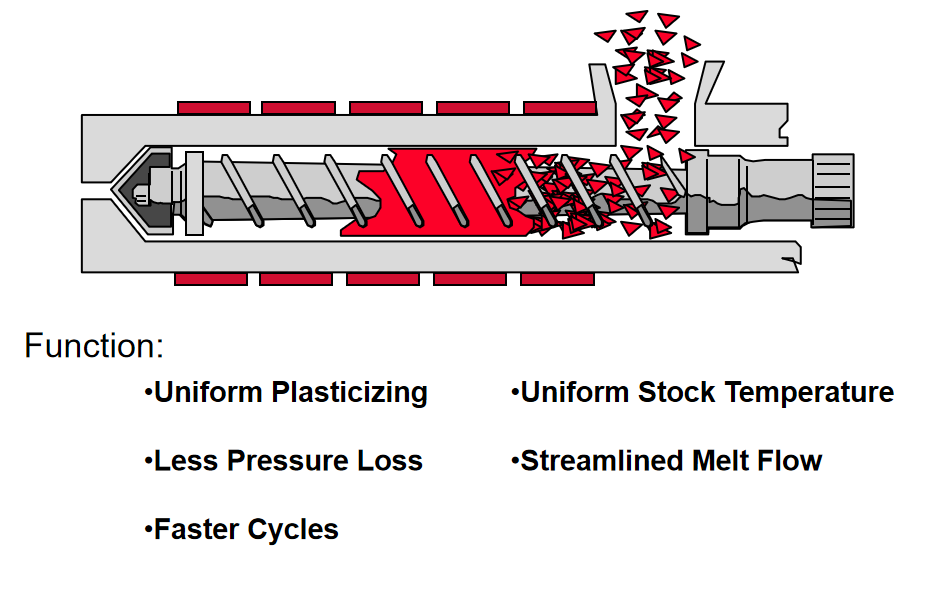
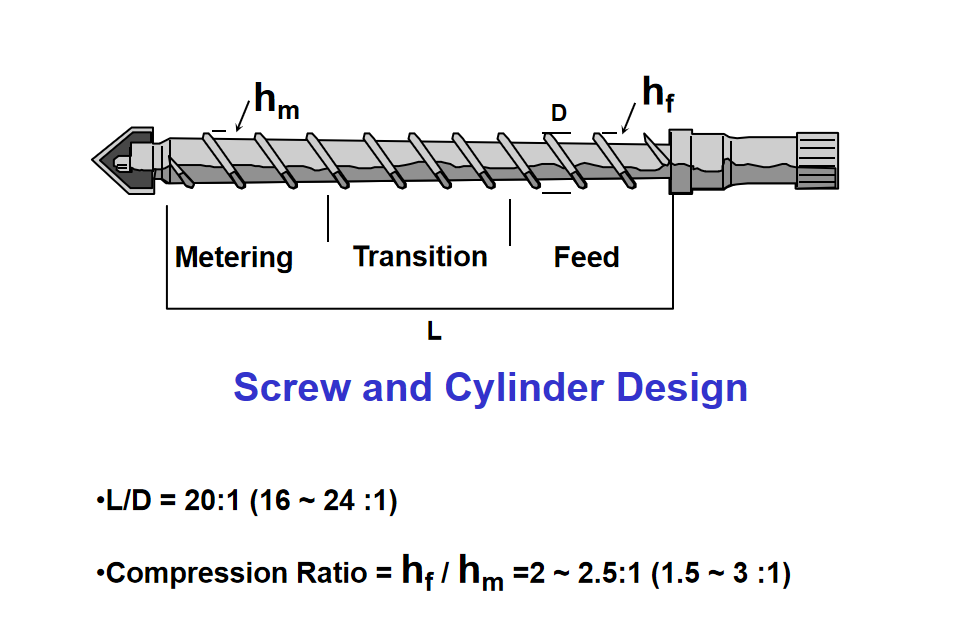
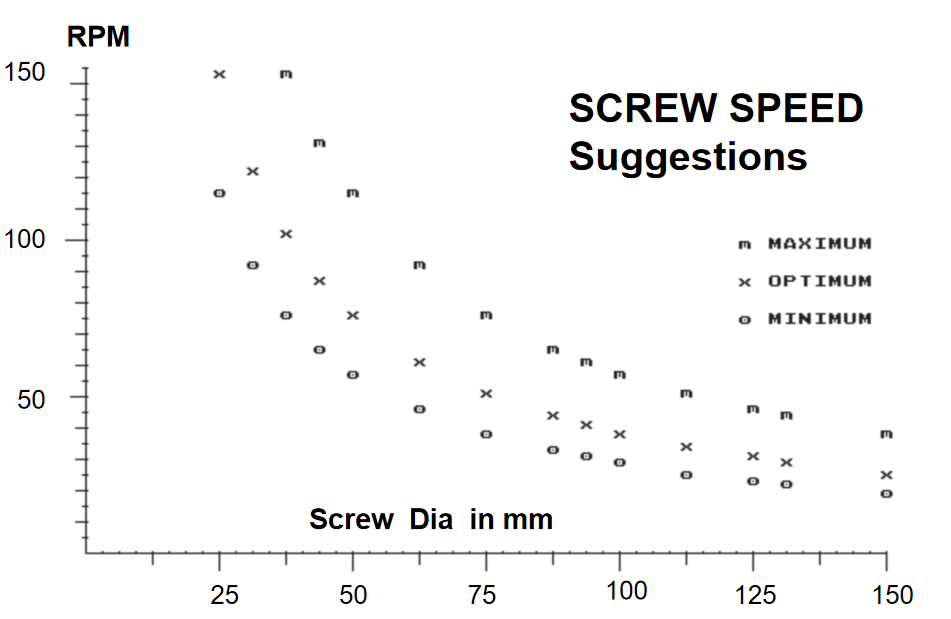
Introduction to Machine Screw

Injection Molding Process
1. Loose feeding and retreat
The screw rotates inside the material tube, winding the plastic from the hopper and gradually compacting, exhausting, plasticizing, and melting it. The plastic is continuously pushed towards the front end by the screw and gradually accumulates between the top and the nozzle. The screw itself slowly moves backward under the pressure of the melt, and stops moving when the accumulated melt reaches one injection volume
2. Injection
When the screw stops moving, under the action of hydraulic cylinder or mechanical force, the screw is pushed forward to inject the melt into the mold through the nozzle
3. Holding pressure
When the mold is filled, the flow rate slows down, and the plastic continues to be squeezed into the mold cavity, increasing the density of the melt
Important Process Variables
- Melt Temperature
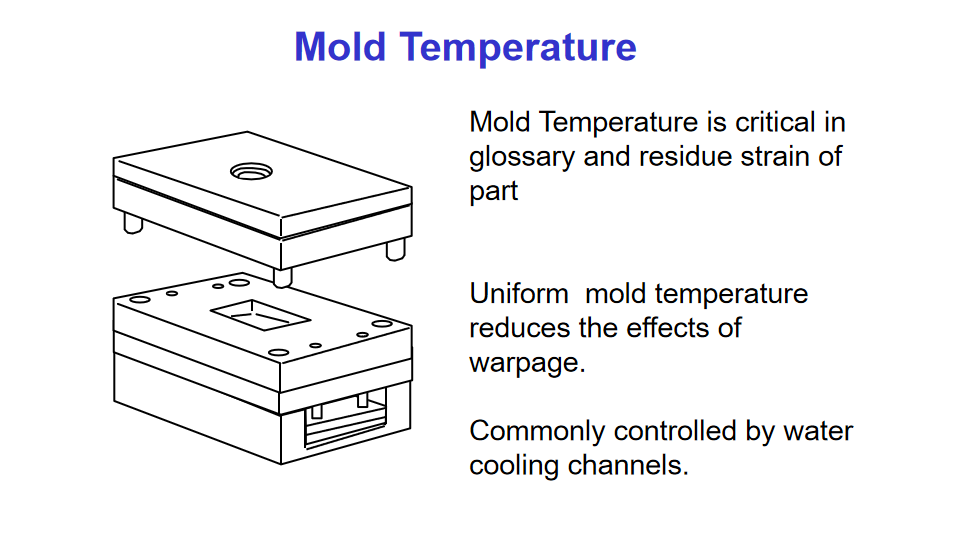
- Mold Temperature
- Temperature Profiles
- Residence Time
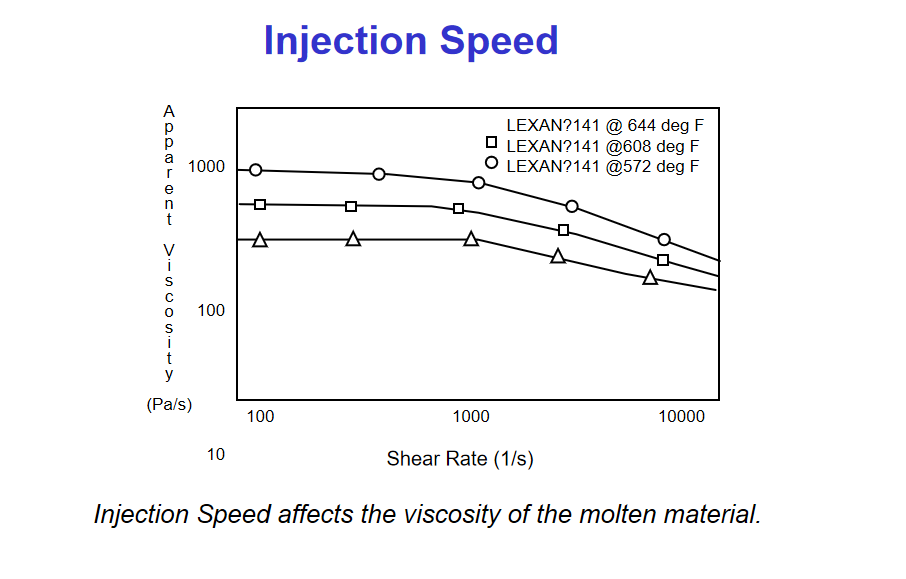
- Injection Speed
- Injection Pressure
- Pack Pressure
- Clamp Tonnage
- Melt Cushion



Ten Do for Molding Engineering Resins
- Know Your Material
- Dry Properly
- Use Recommended Processing Conditions
- Use Properly Sized Equipment
- Use Properly Designed Tooling
- Use Adequate Runners
- Use Proper Venting
- Use Nozzles with Proper Heat Controls
- Use Proper Screw Design
- Schedule Annual or Bi-Annual Equipment Maintenance
Future Trends in the Injection Molding Industry
1. Application of environmentally friendly materials: The use of bio based plastics and recycled plastics reduces reliance on traditional fossil based plastics and lowers carbon emissions. For example, the application of recycled polycarbonate materials can reduce carbon emissions by up to 50%
In addition, the promotion of single material solutions has also reduced plastic usage and lowered carbon footprint
2. Intelligent production: Through the Internet of Things (IoT) and artificial intelligence (AI) technologies, injection molding enterprises can achieve real-time monitoring and optimization of the production process. AI driven systems can automatically adjust machine parameters to ensure consistency in product quality. Predictive maintenance technology monitors equipment status in real-time, identifies potential issues in advance, and reduces equipment downtime.
3. Innovation in composite injection molding process: The hot pressing injection molding integrated molding technology significantly shortens the production cycle and improves the strength and stiffness of the product. In Model Electronics (IME) technology has been widely applied in the field of consumer electronics, improving product performance and production efficiency.
4. Green transformation and sustainable development: Enterprises have reduced their carbon footprint in the production process by adopting energy-saving equipment, optimizing process parameters, and using renewable energy. For example, the servo control and variable frequency regulation devices of injection molding machines can reduce energy consumption by 21-22% and reduce approximately 7 tons of CO ₂ emissions annually
5. The use of recycled plastics has gradually become an important part of the industry
The improvement of precision injection molding technology: Through advanced mold design and manufacturing technology, injection molding enterprises can produce more refined and complex products. The conformal cooling technology and optimized flow channel system have improved production efficiency and reduced material waste.
6. Changes in market demand: With the rapid development of emerging industries such as new energy vehicles and green buildings, the application areas of plastic products will further expand, providing more development opportunities for the industry
Latest Posts
Related Blogs
Senyo’s blog is focused on sharing our extensive knowledge of prototype manufacturing. Through our articles, we aim to support you in refining your product design and navigating the complexities of rapid prototyping more effectively.